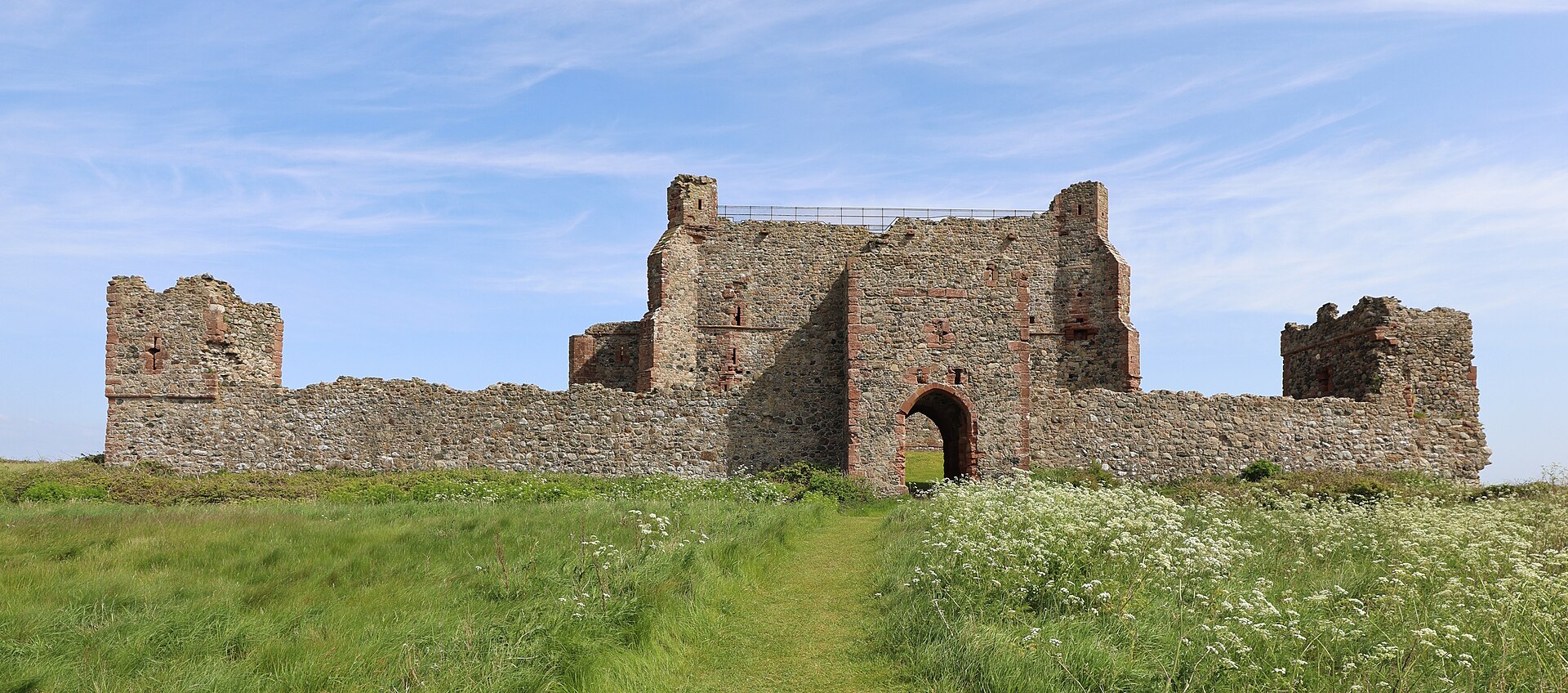
Piel Castle
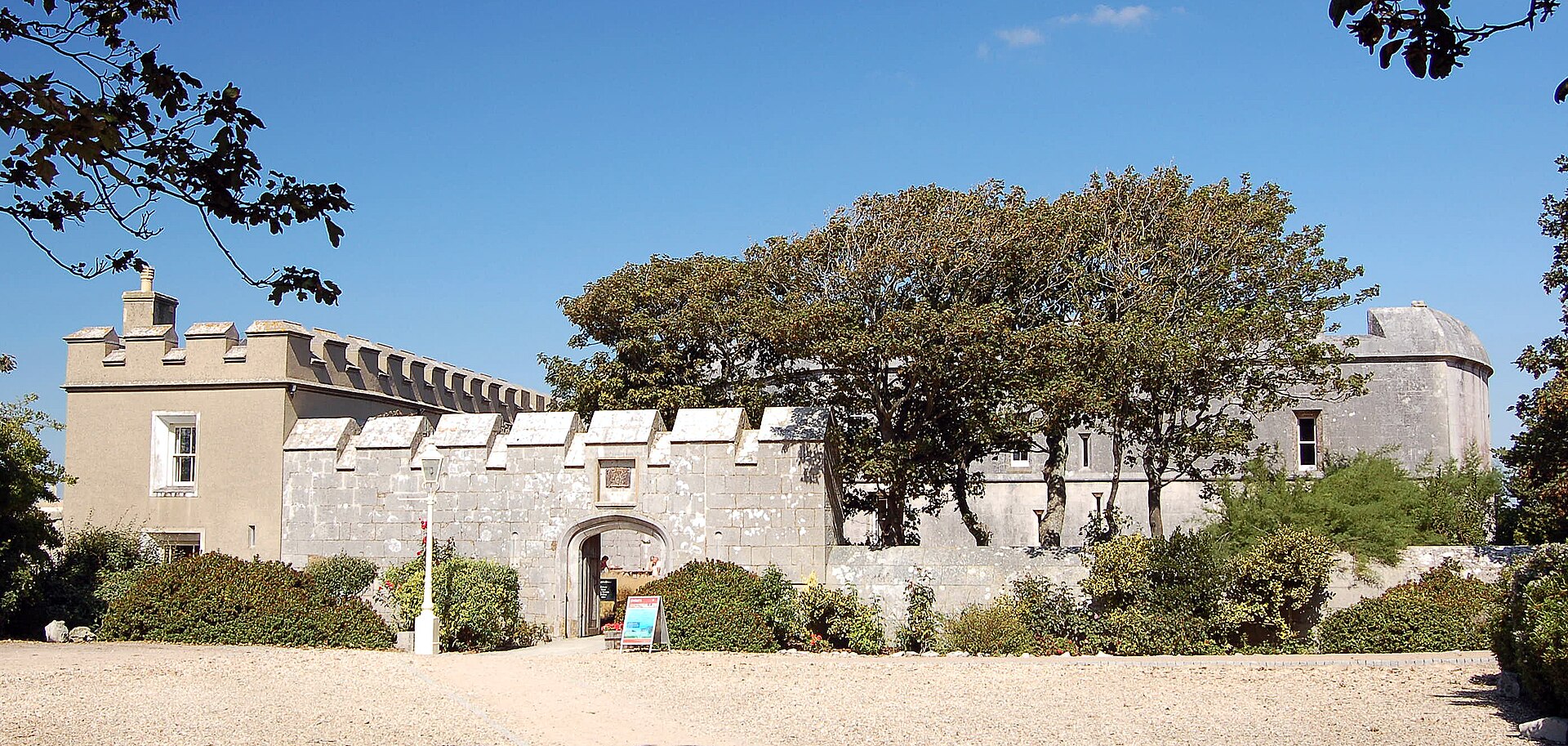
An island fortress reachable only by boat, retaining the keep, inner and outer wards, and enclosing walls.
Last verified Oct 16, 2026
 MilAtlas
163 verified spot(s)
An island fortress reachable only by boat, retaining the keep, inner and outer wards, and enclosing walls.
Last verified Oct 16, 2026
A castle guarding the Tyne crossing; the outer bailey is open daily, and other areas may be visited according to the operator's official website arrangements.
Last verified Oct 16, 2026
A Norman fortress of stone keep, towers, and courtyard, from which you can climb up for views of the town and river valley.
Last verified Oct 16, 2026
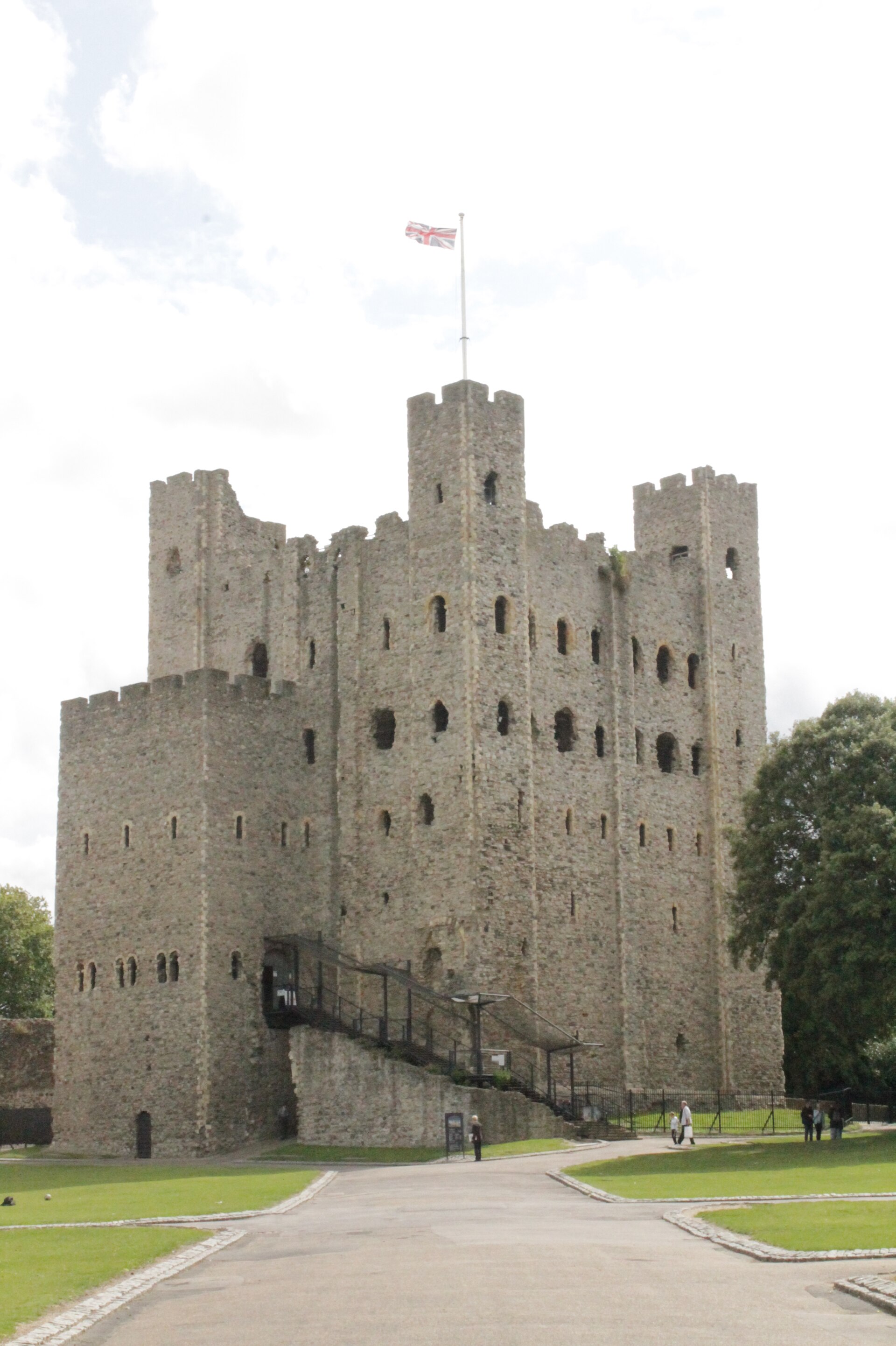
A Norman stone fortress guarding the important Medway crossing; the keep bears the traces of multiple sieges and rebuilds.
Last verified Oct 16, 2026
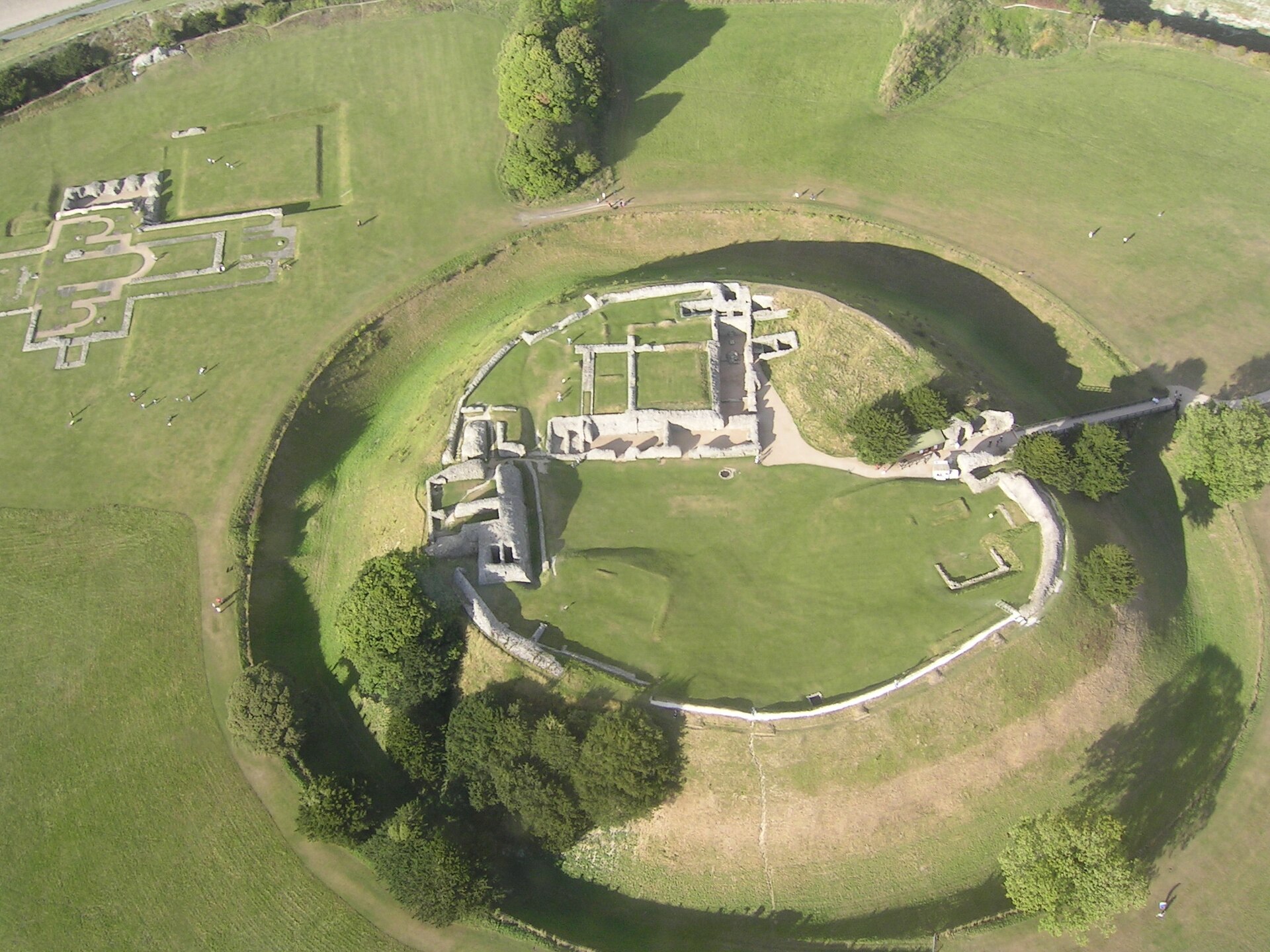
The same site preserves an Iron Age ring rampart and a Norman castle motte, allowing comparison of defensive structures from multiple periods.
Last verified Oct 16, 2026
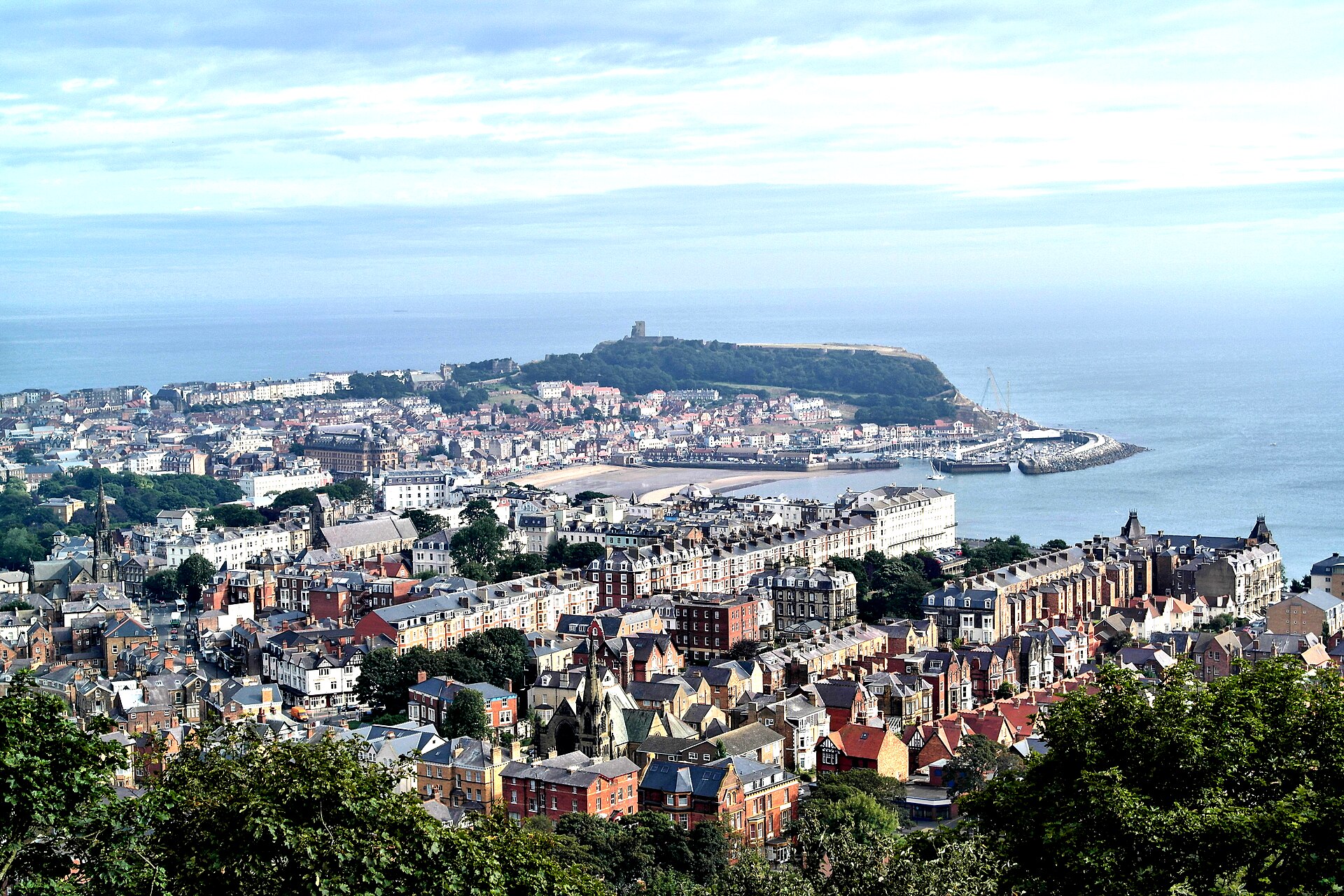
A castle occupying the high ground of a headland, from which the keep and inner ward overlook the harbour and the terrain of coastal defences.
Last verified Oct 16, 2026
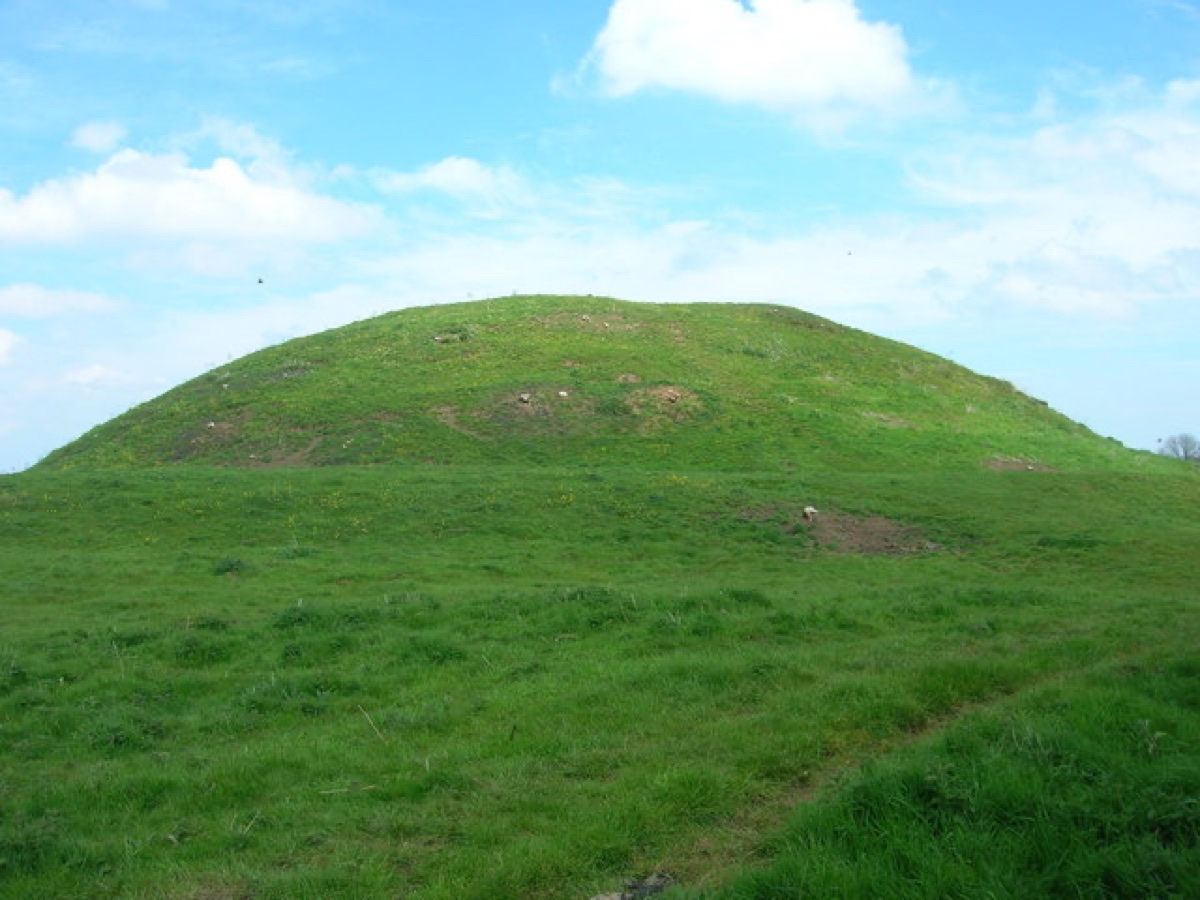
Earthwork remains of a Norman motte-and-bailey castle with its associated fortified settlement; the site terrain can be viewed on foot.
Last verified Oct 16, 2026
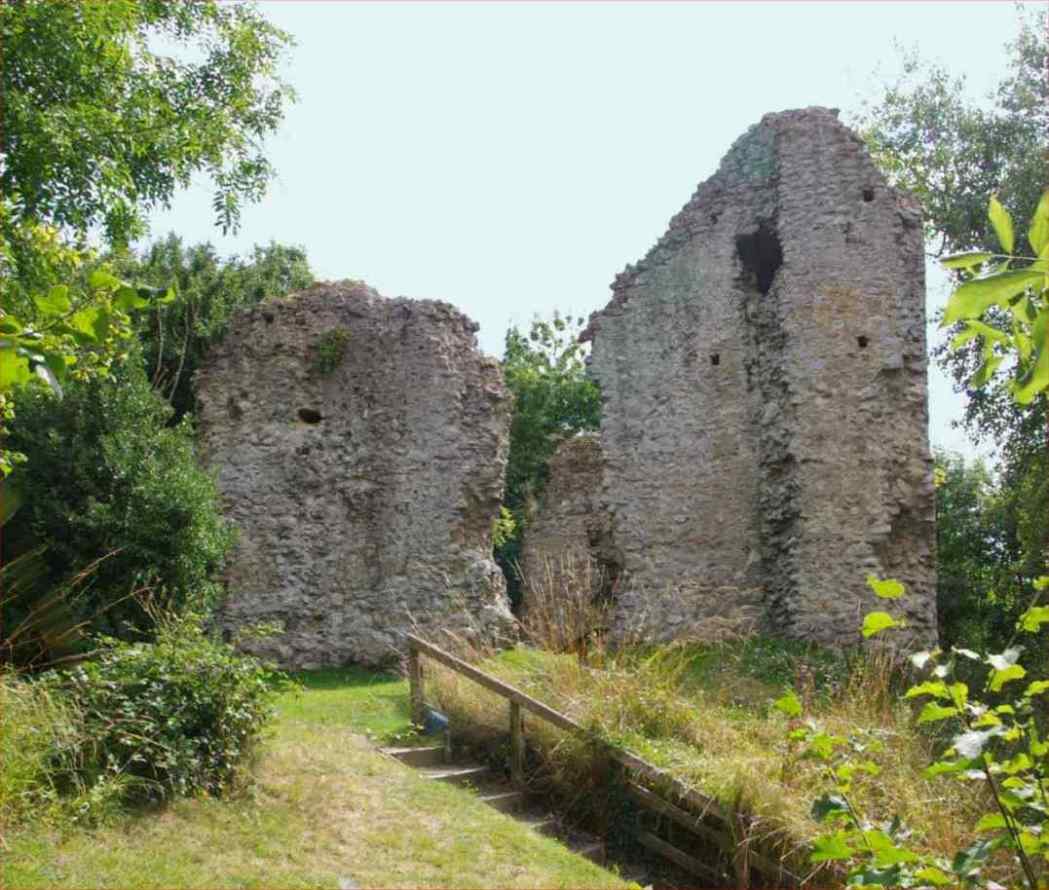
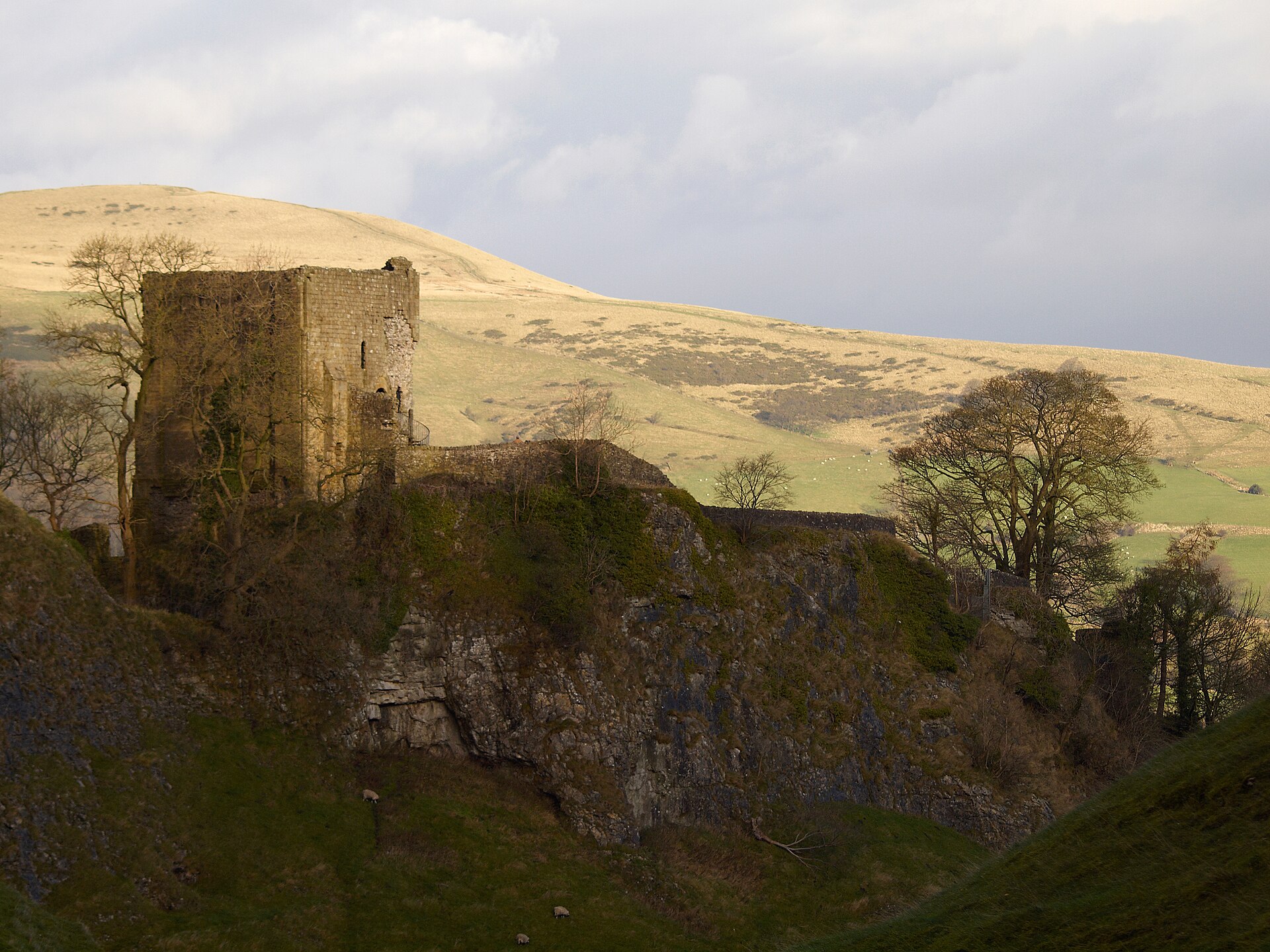
Ruins of the stone keep of a medieval castle, where the high-ground defensive remains and the surrounding terrain can be observed.
Last verified Oct 16, 2026
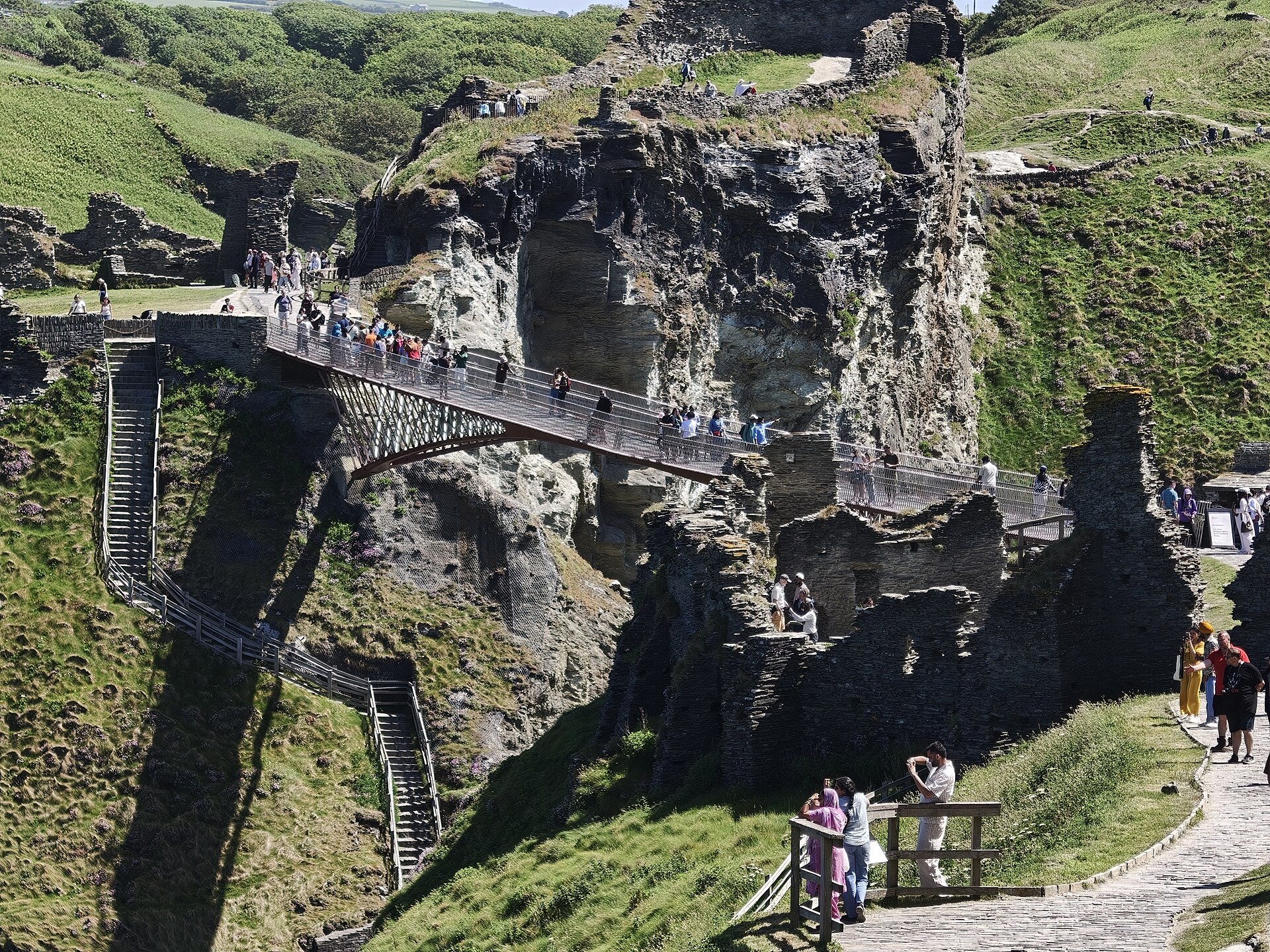
Ruins of a medieval castle on a headland, retaining defensive remains in two parts: on the mainland and on the offshore rocky island.
Last verified Oct 16, 2026
Hexagonal ruins of a medieval castle, witnessing the history of the Arundel family and the conflicts of the English Civil War.
Last verified Oct 16, 2026
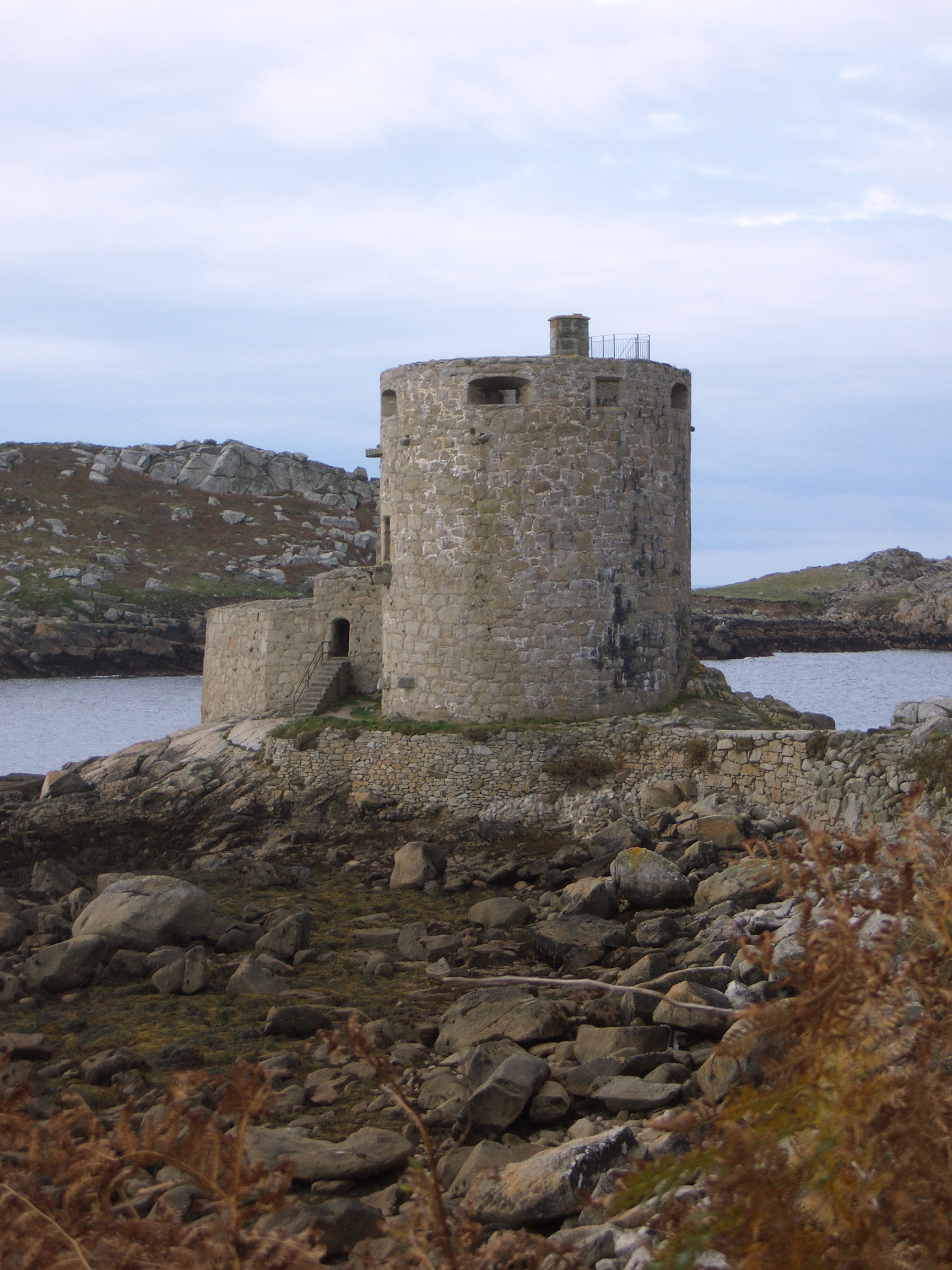
A round artillery tower guarding the waterways of the Isles of Scilly, reflecting coastal defence construction after the English Civil War.
Last verified Oct 16, 2026
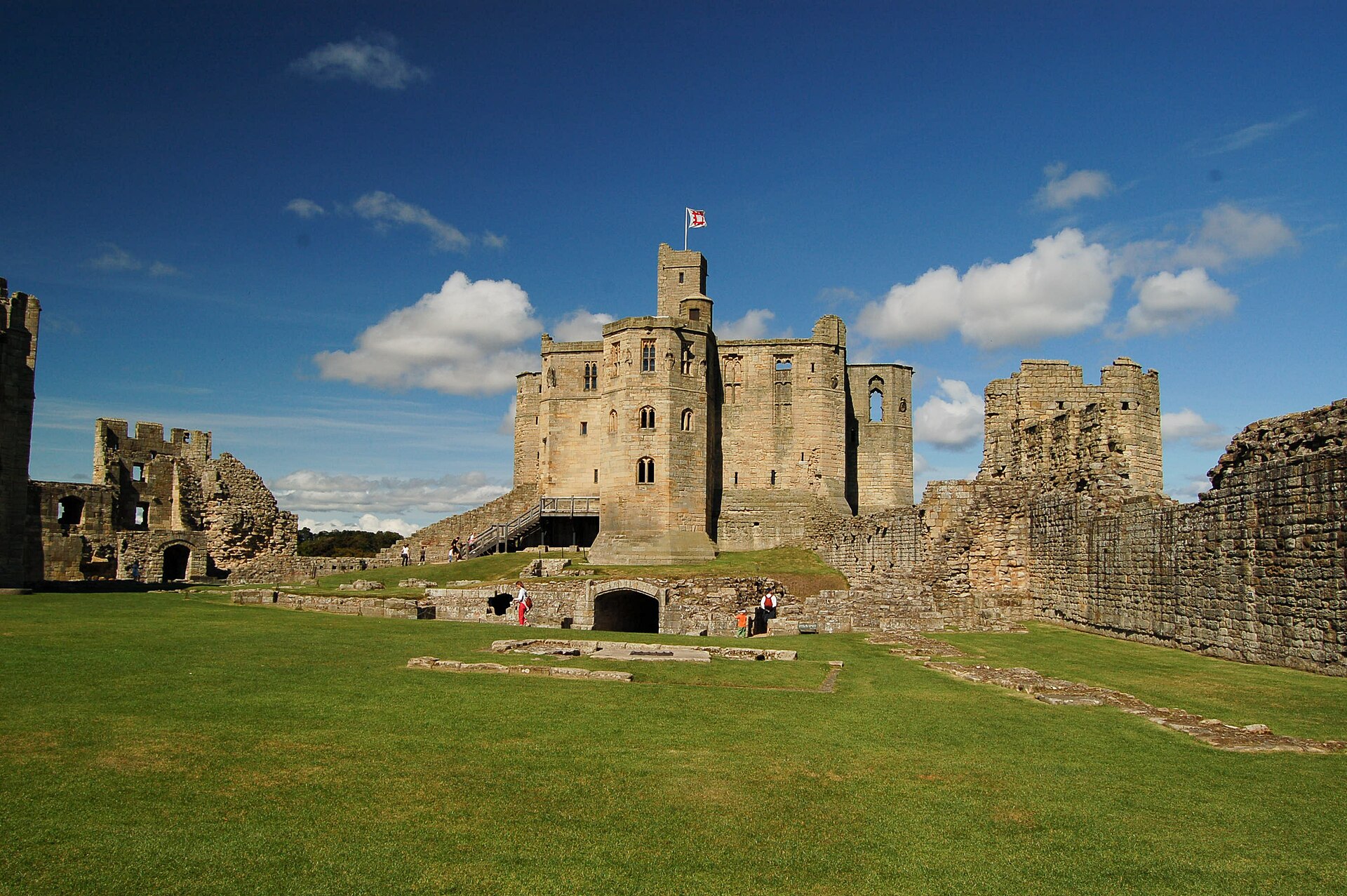
A fortified palace of the Percy family, retaining its towering keep and surrounding courtyard defensive structures.
Last verified Oct 16, 2026
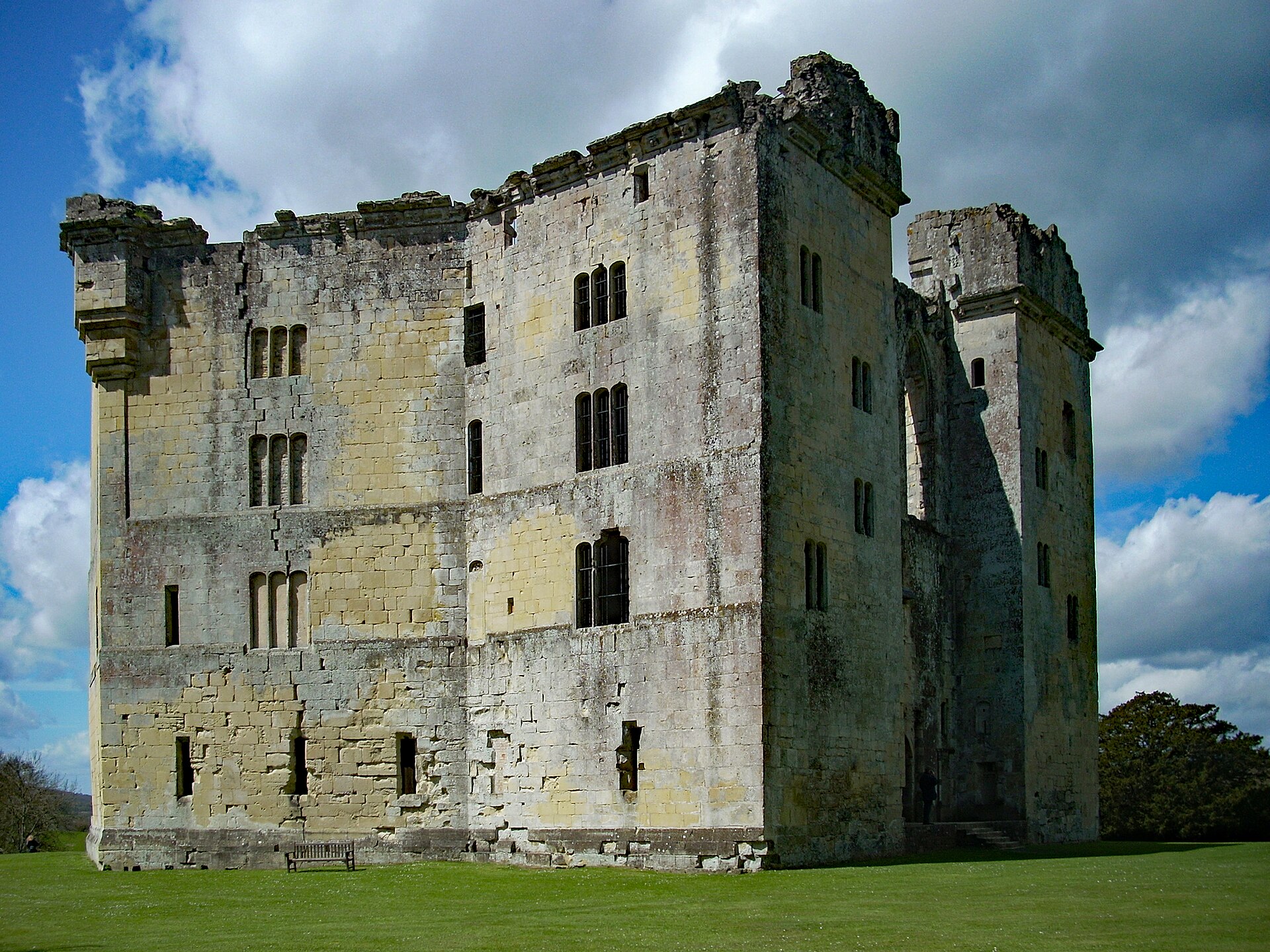
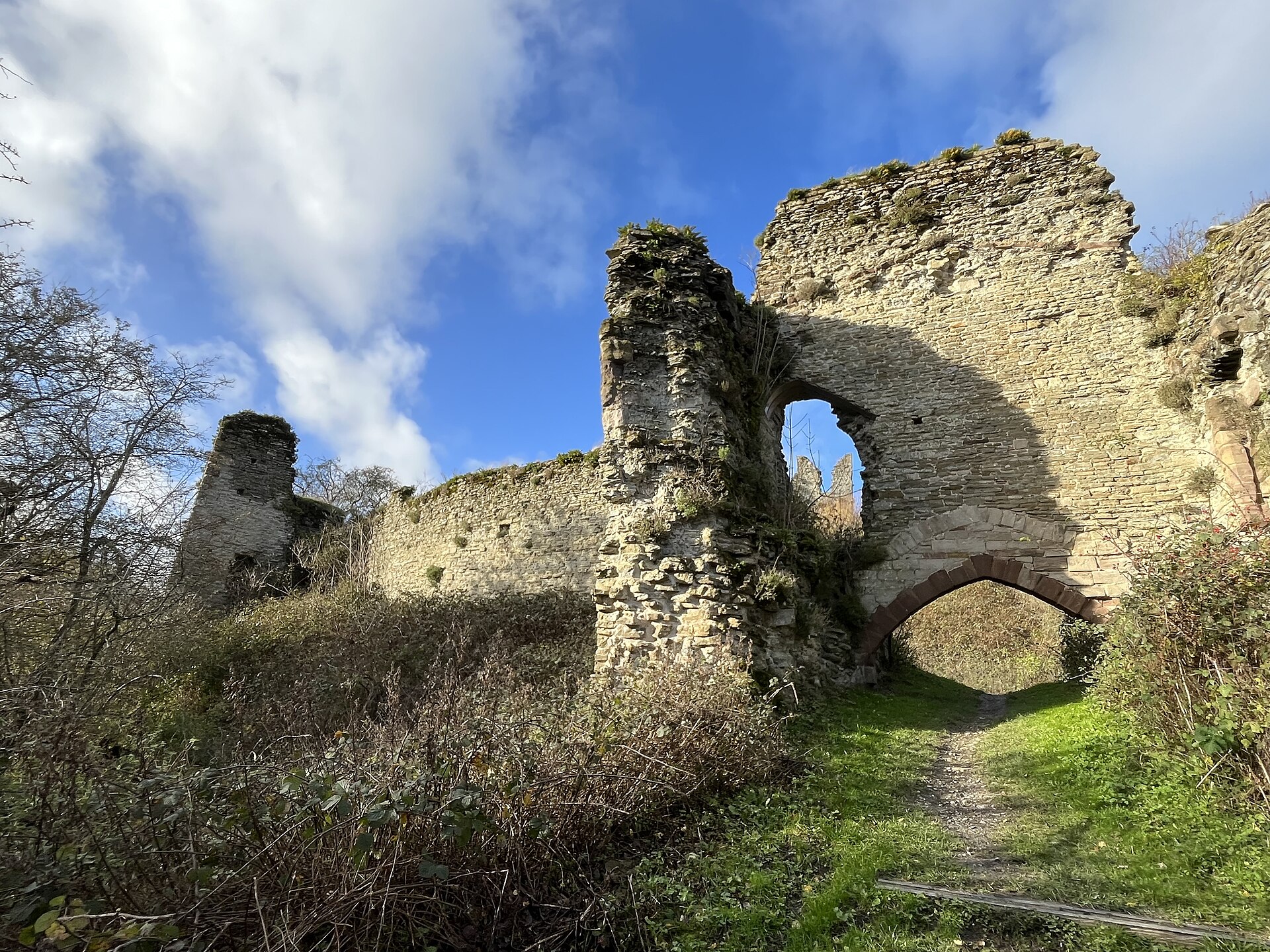
The ruins of this castle in the Welsh Marches bear witness to the power of the Mortimer family; the keep is temporarily closed due to stair repairs.
Last verified Oct 16, 2026
Walk along the historical trail to view First World War trenches and underground artillery positions.
Last verified Oct 17, 2026
Memorial site of the decisive 1917 battle in which the Romanian army resisted the German-Austrian offensive; the 'Dome of Glory' relief motif appears on the 20 lei banknote. 154 individual graves hold 5073 officers and soldiers, including the legendary young female soldier Măriuca Zaharia.
Last verified Oct 14, 2026
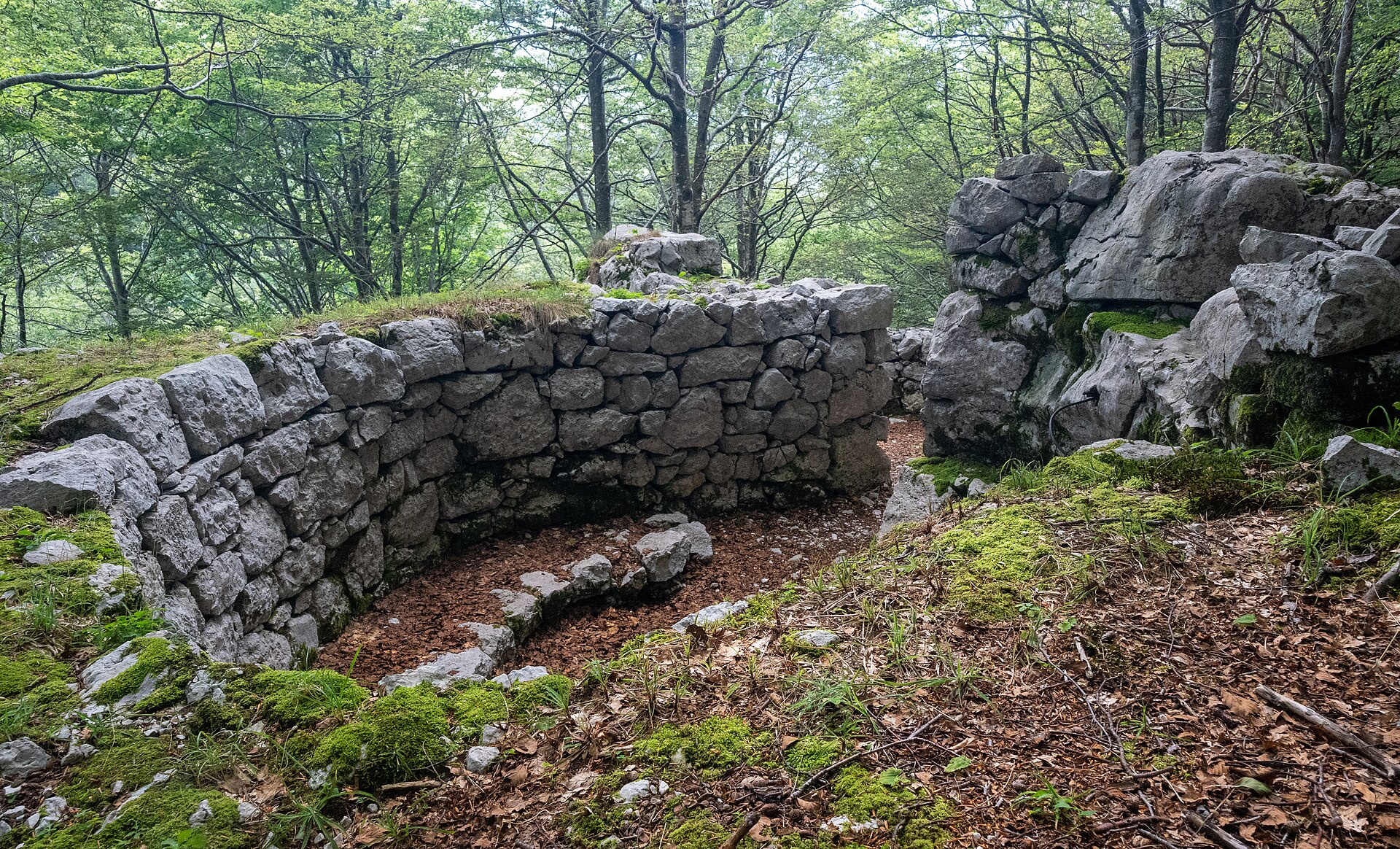
Follow a mountain trail to observe First World War Italian trenches, caves and artillery positions.
Last verified Oct 17, 2026
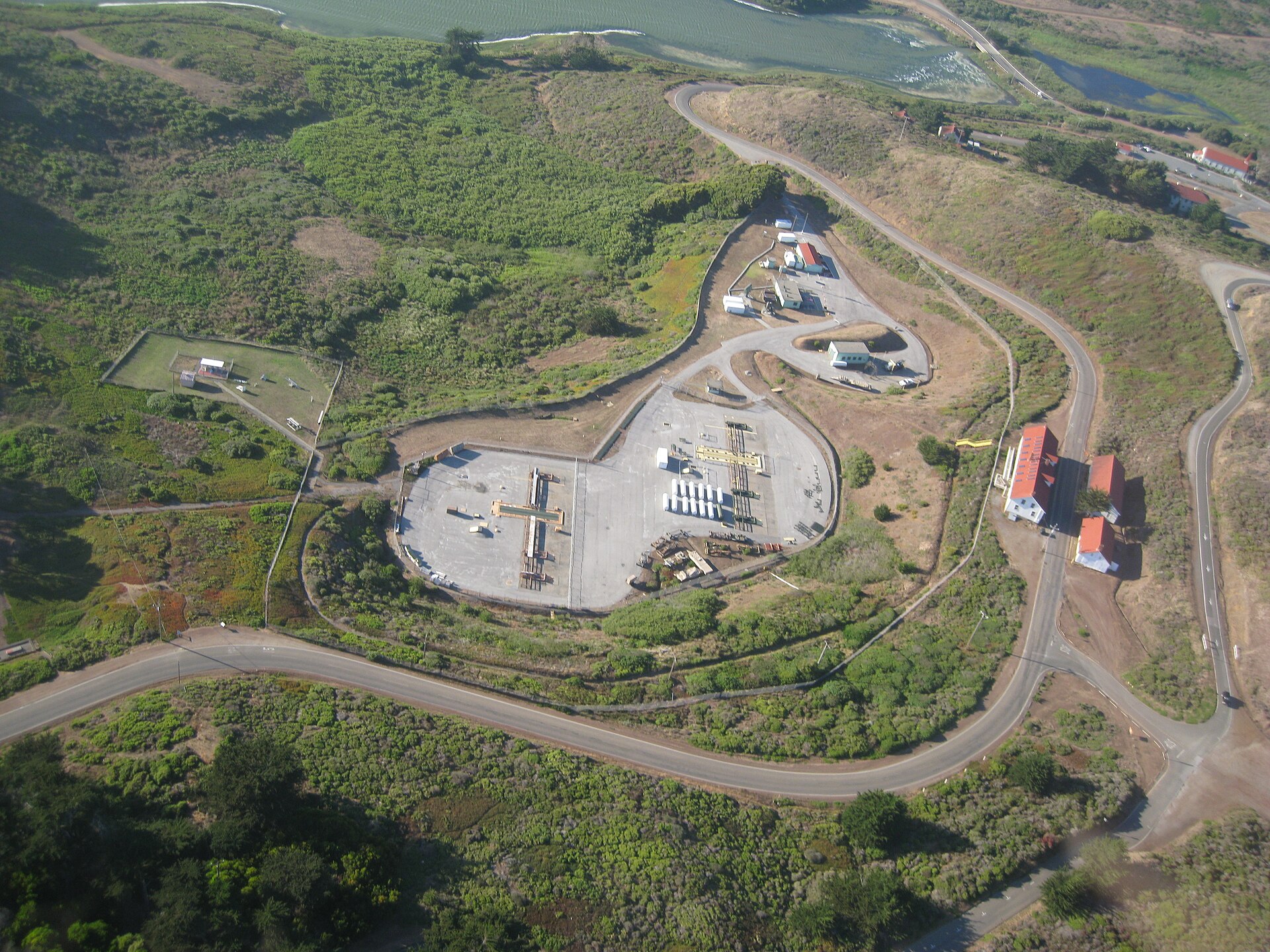
A preserved Cold War anti-aircraft missile base in the San Francisco Bay area, displaying Nike air-defense system facilities.
Last verified Oct 18, 2026
An 18th-century Portuguese/Spanish colonial fortress with fully preserved fortifications
Last verified Oct 3, 2026
Booked tours explore an underground Cold War civil-defence command facility.
Last verified Oct 17, 2026
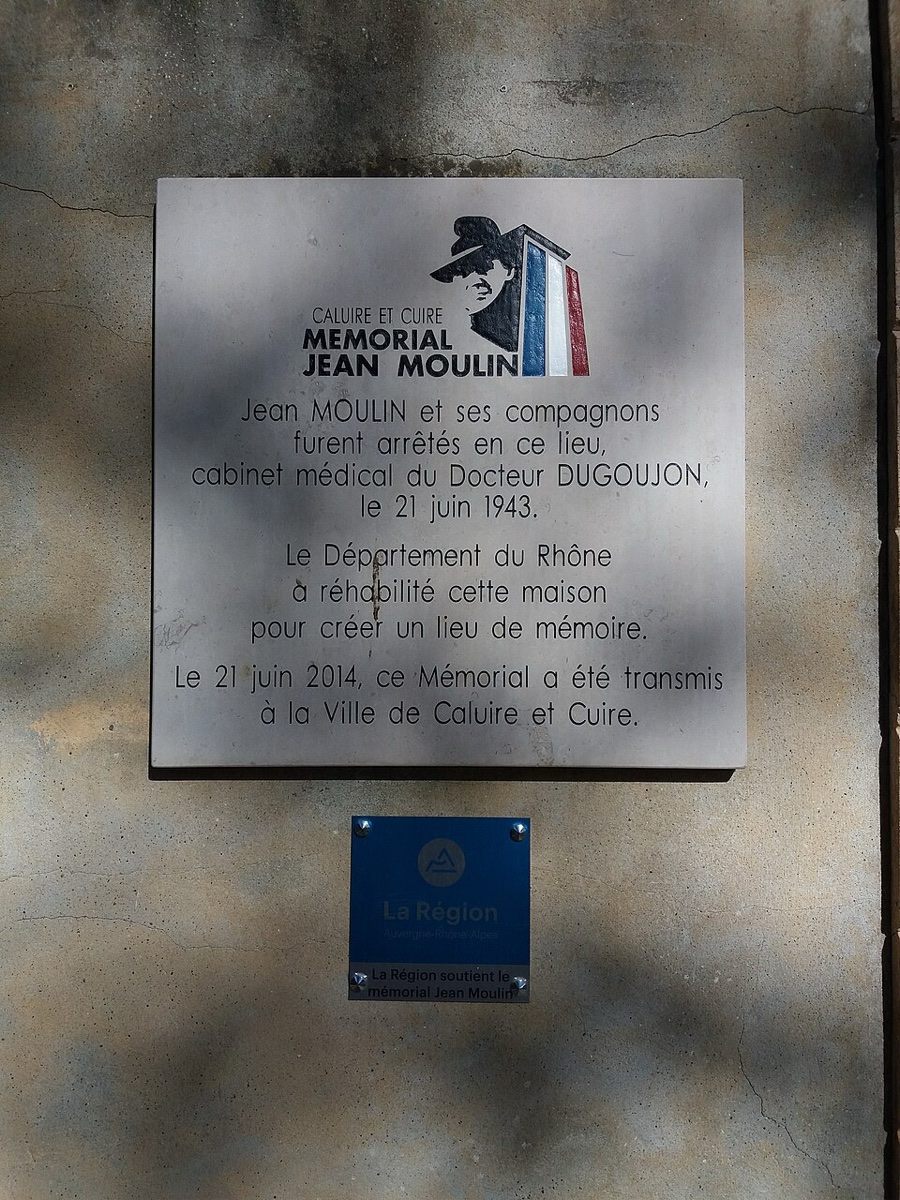
Booked guided visits explore the house where Jean Moulin was arrested in 1943 and its resistance history.
Last verified Oct 17, 2026
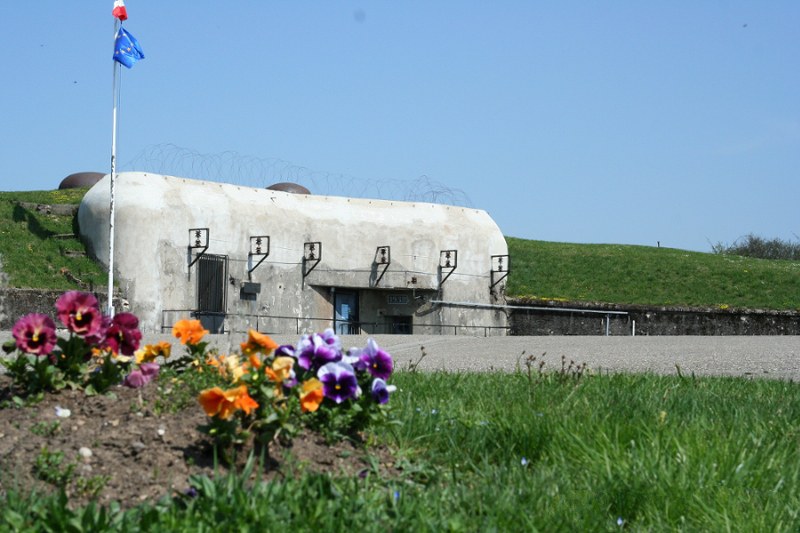
Guided visits explore a Maginot Line fort's underground facilities, garrison life and defensive systems.
Last verified Oct 17, 2026
A late fourteenth-century castle gatehouse tower; entry requires booking a guided tour according to the operator's arrangements.
Last verified Oct 16, 2026
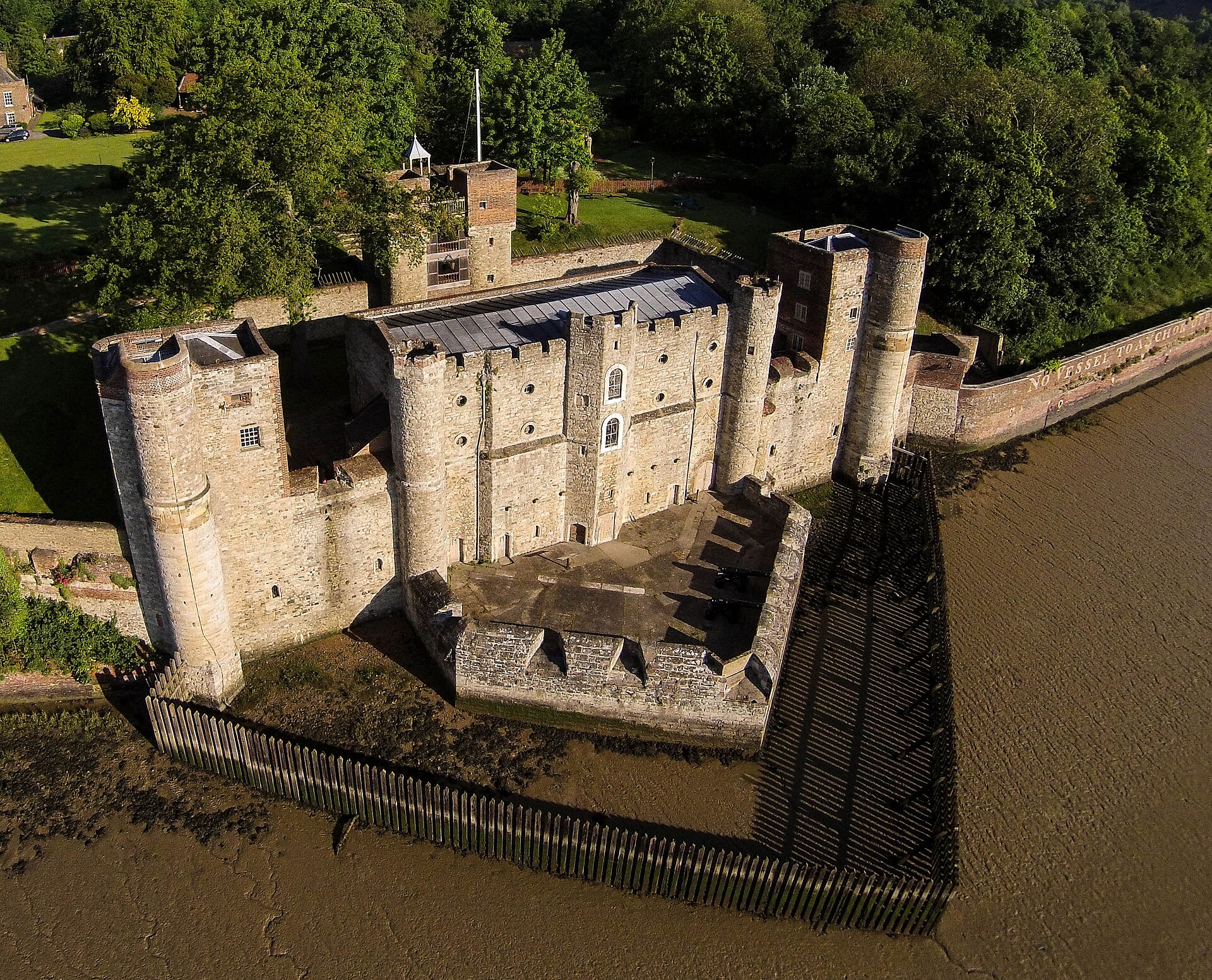
An Elizabethan riverbank battery originally built to protect the fleet anchored at Chatham; it is currently visited by guided tours on limited dates.
Last verified Oct 16, 2026
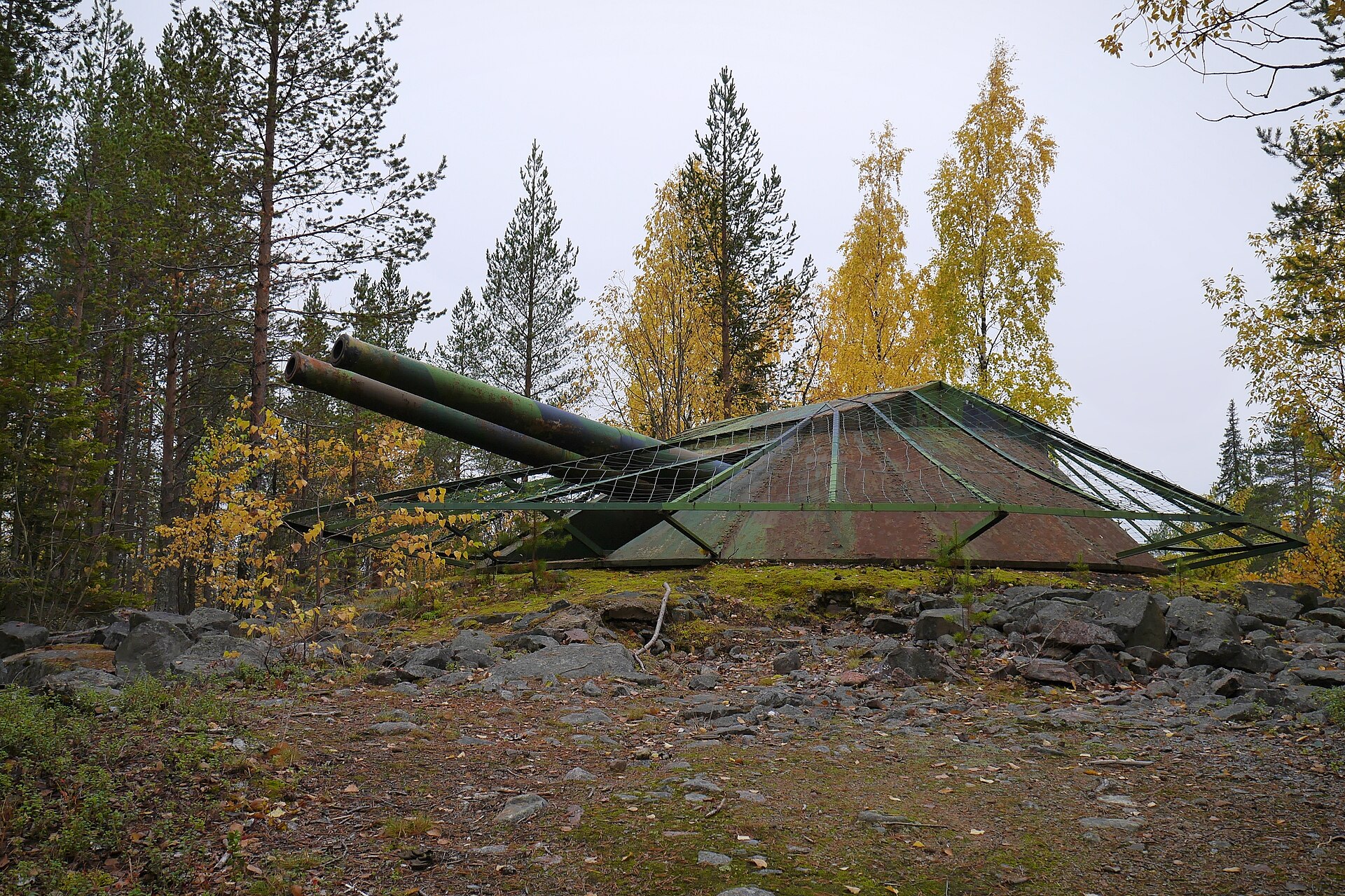
Guided visits explore a Cold War rock fort on the Kalix defence line.
Last verified Oct 17, 2026
A coastal battery built by Henry VIII, later used as part of a Royal Navy and Royal Air Force base.
Last verified Oct 16, 2026
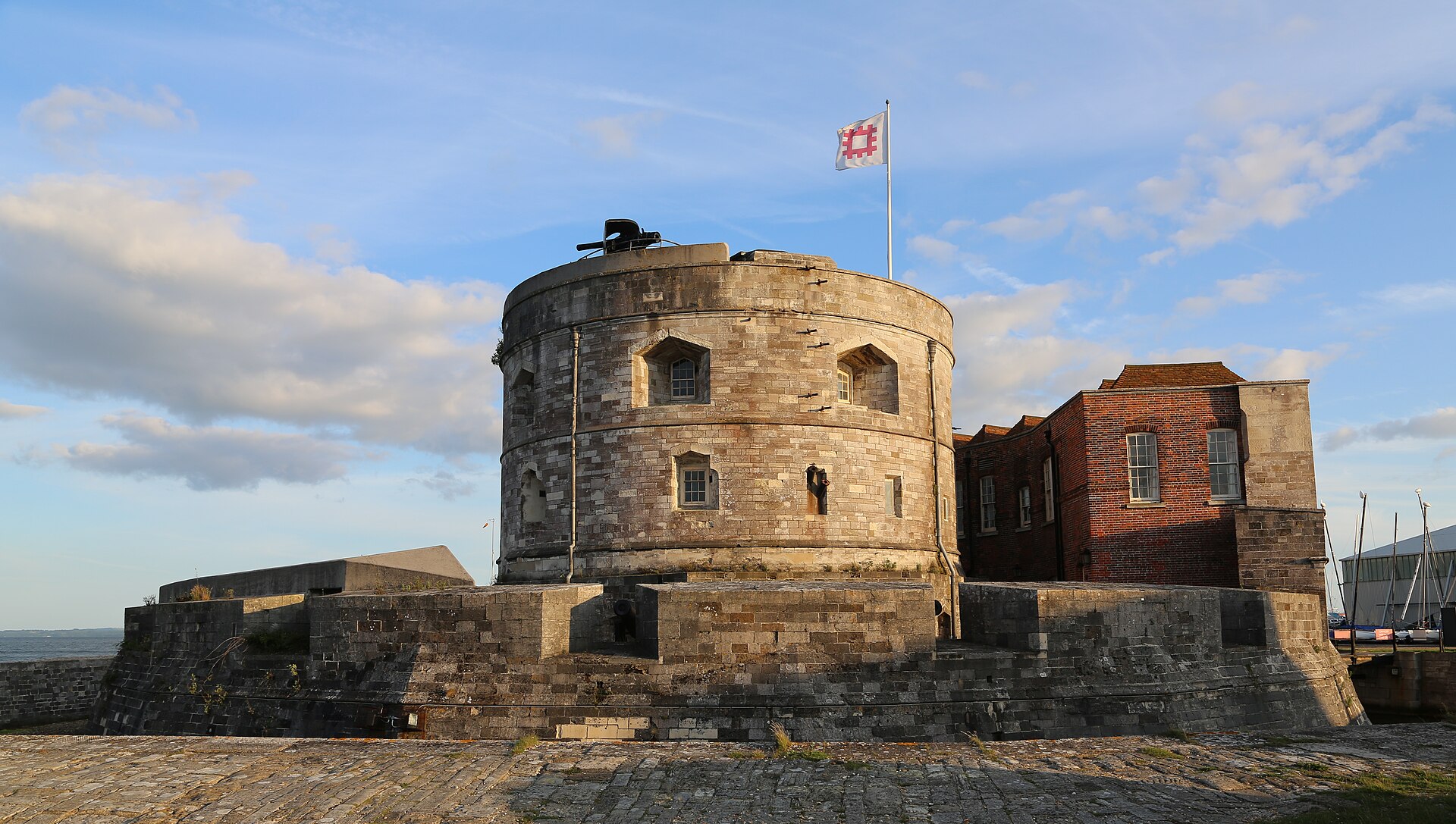
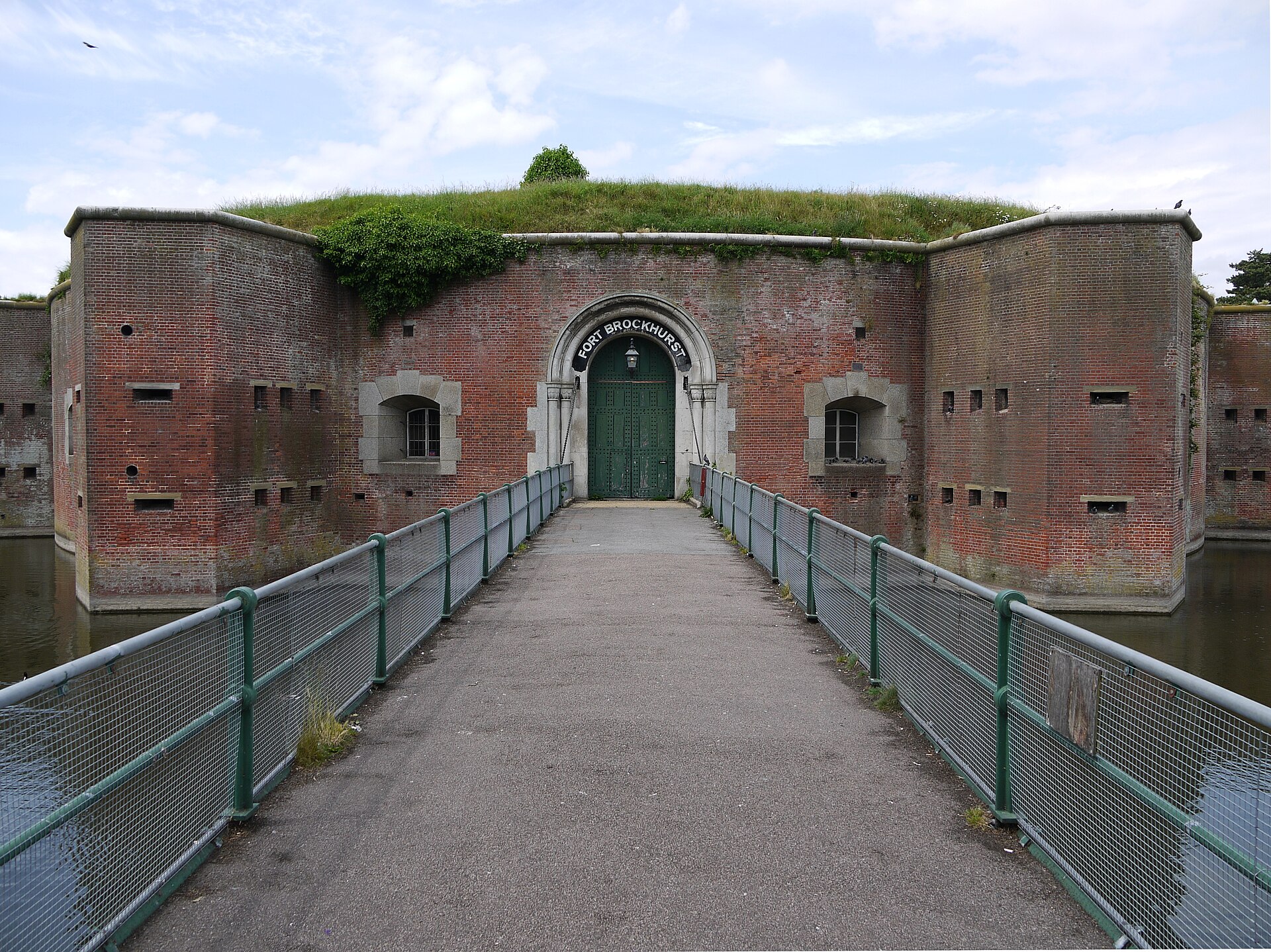
A 19th-century fortress in the Portsmouth harbour defences; visitors can see the parade ground, the gun ramps and the main keep surrounded by its moat.
Last verified Oct 16, 2026
Exhibitions explore war, changing borders and the experiences of communities in Alsace and Moselle.
Last verified Oct 17, 2026
An artillery fortress built by Henry VIII to defend Portland Harbour; the gun battery and ordnance display space can be visited.
Last verified Oct 16, 2026
A medieval upland fortress requiring a hike uphill, using the steep terrain to form a natural line of defense.
Last verified Oct 16, 2026
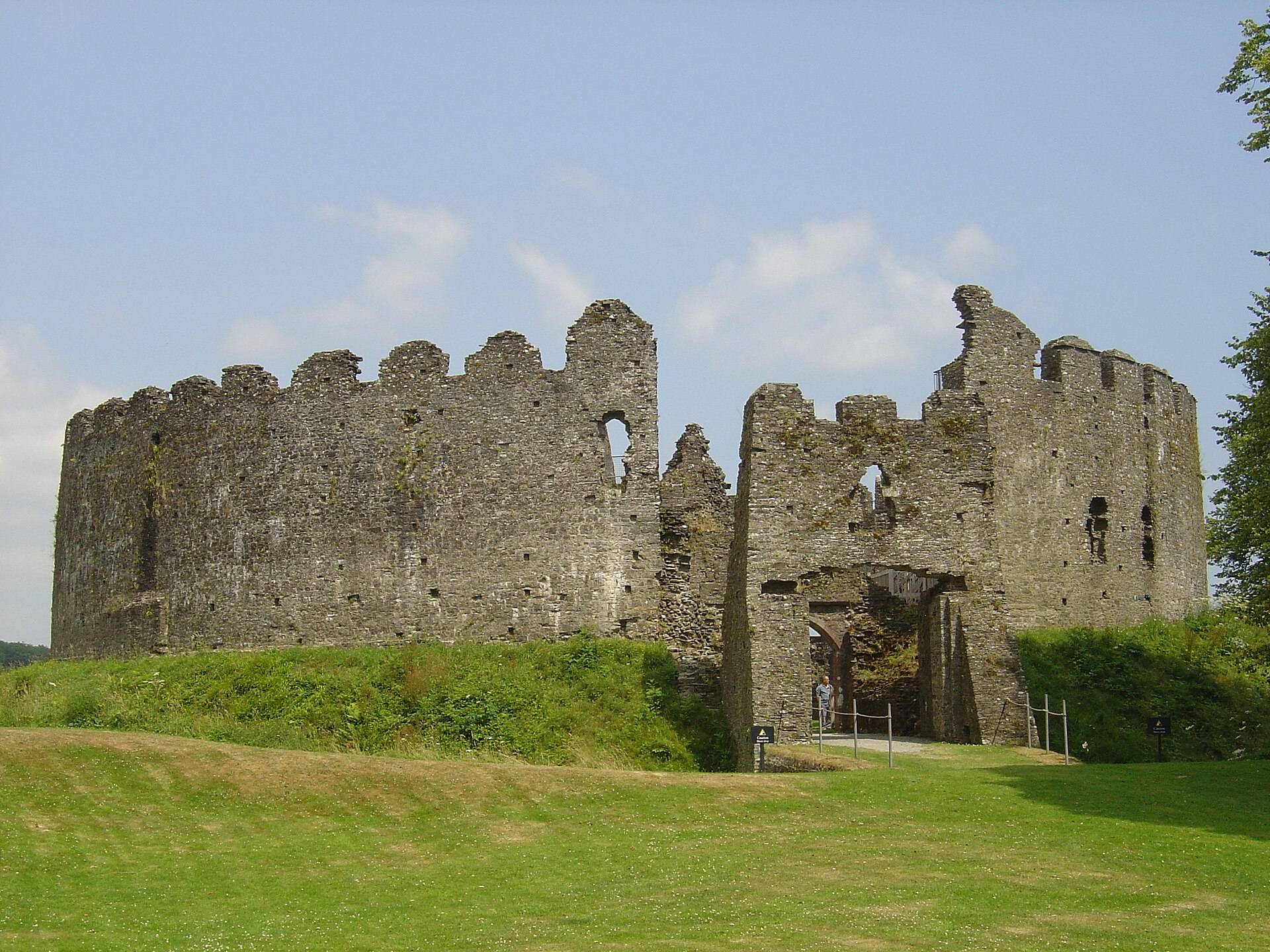
The circular stone keep was built atop a high motte and deep ditch; the surviving remains allow you to understand the layout of a medieval castle.
Last verified Oct 16, 2026
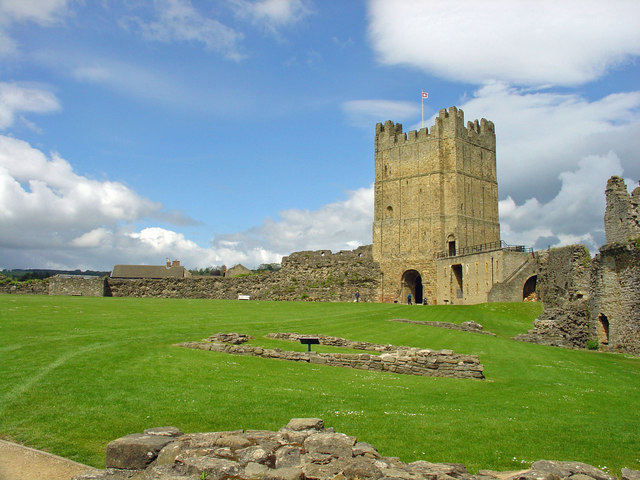
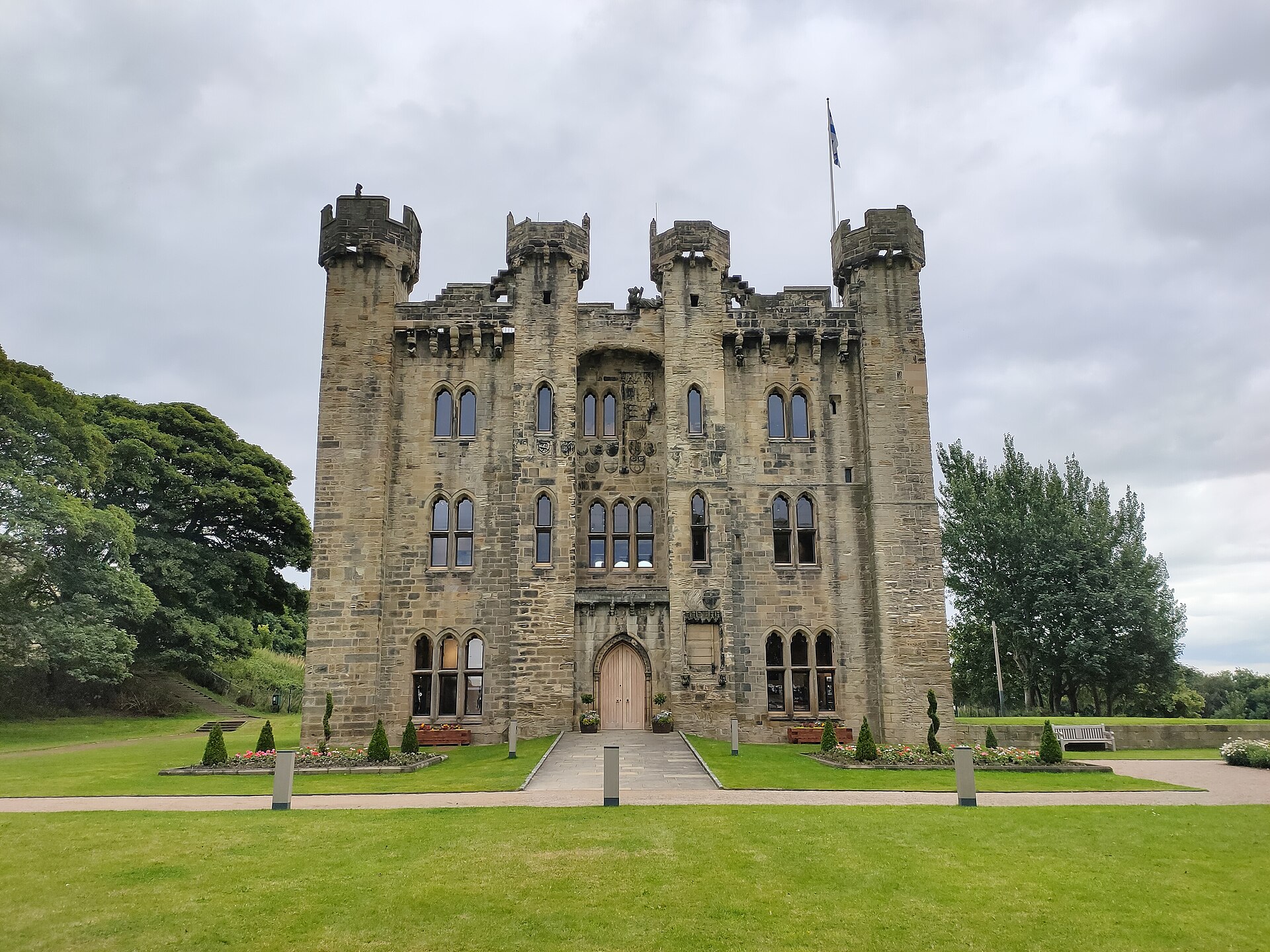
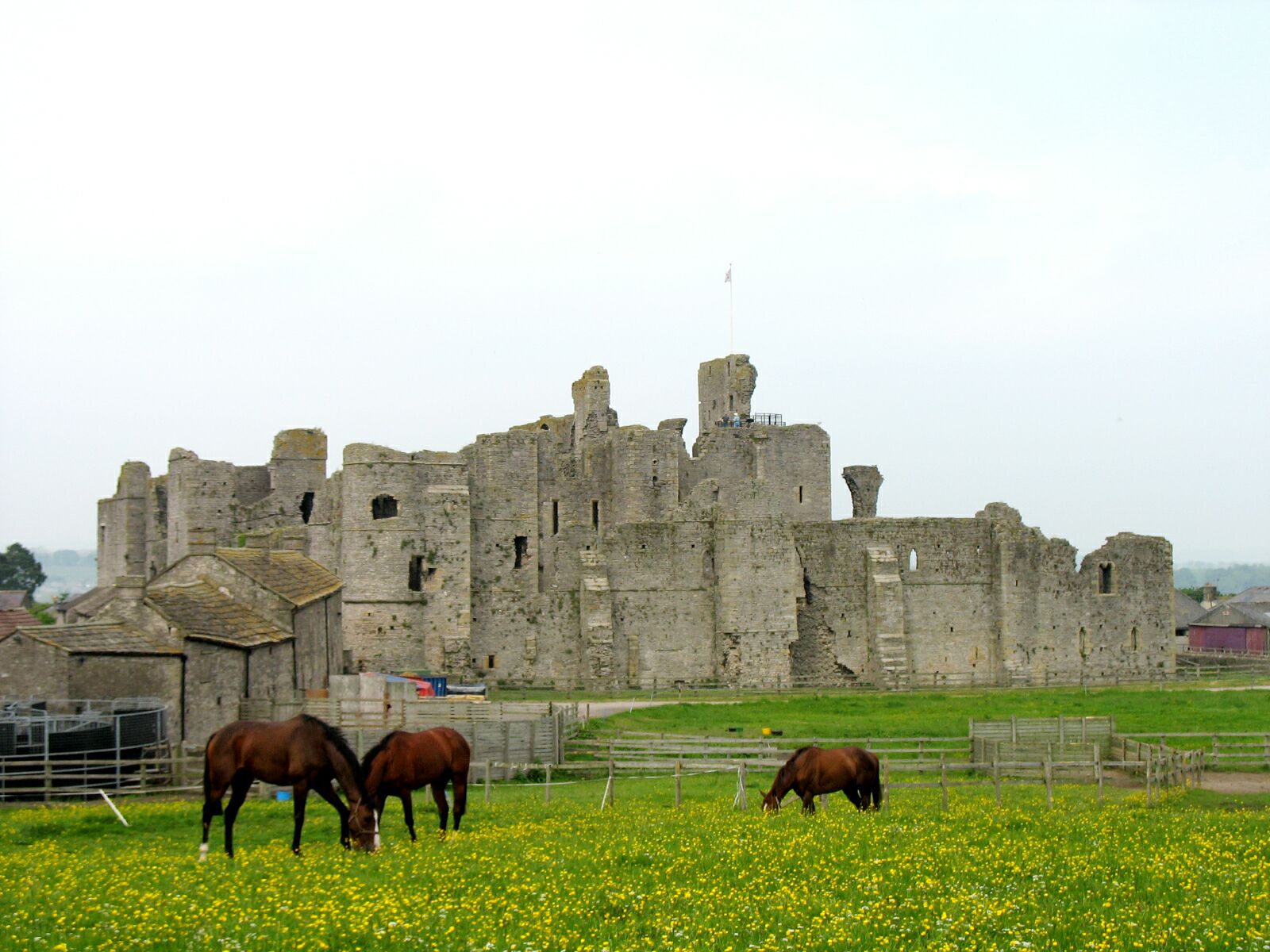
A large Norman keep coexists with the Neville family's extensions; you can view the interior remains of this Yorkshire fortress.
Last verified Oct 16, 2026
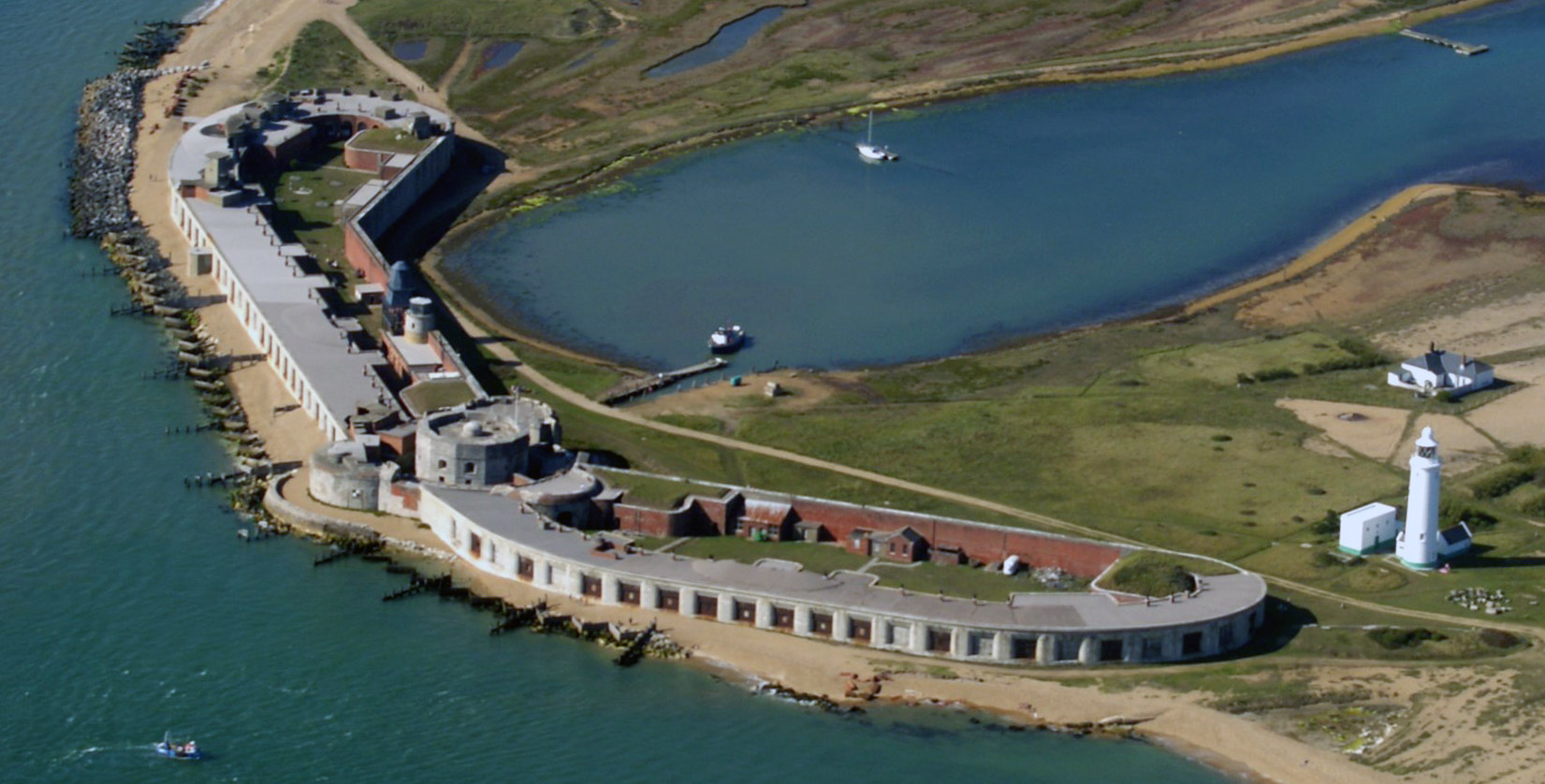
A coastal battery at the end of a narrow sand spit, controlling the western entrance to the Solent and once holding Charles I prisoner.
Last verified Oct 16, 2026
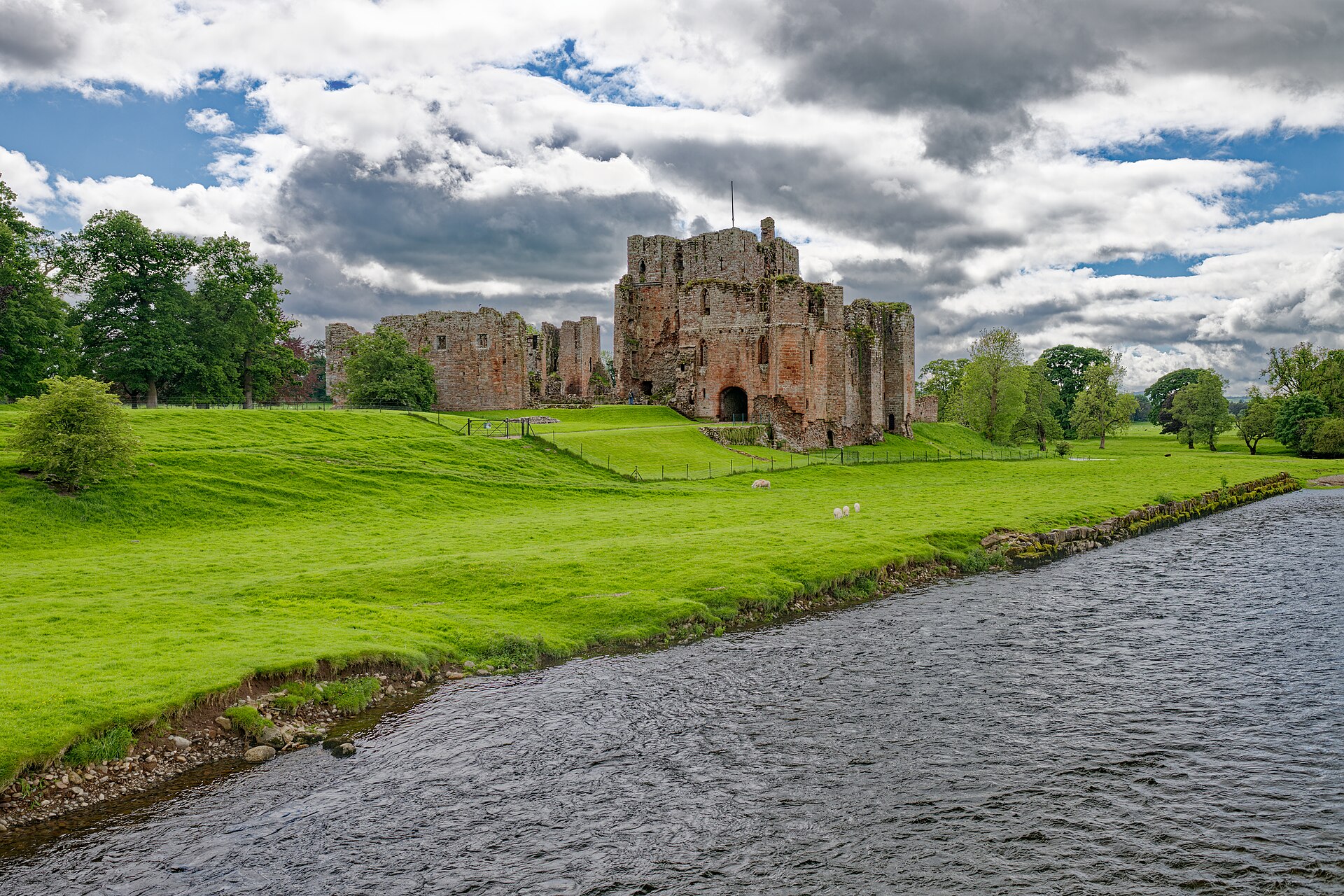
A sandstone castle built near a strategic river crossing; the keep and the remains of border defences can be viewed.
Last verified Oct 16, 2026
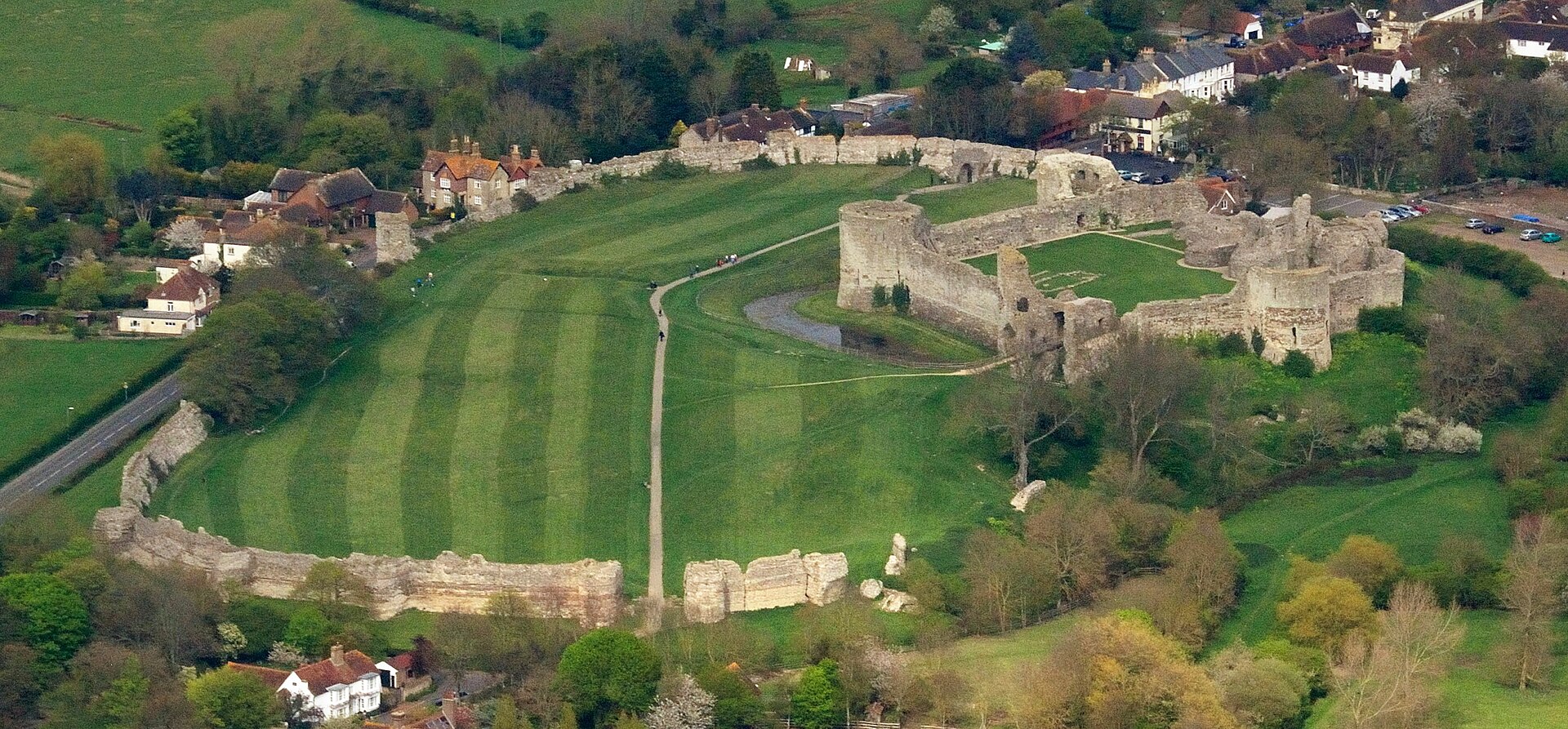
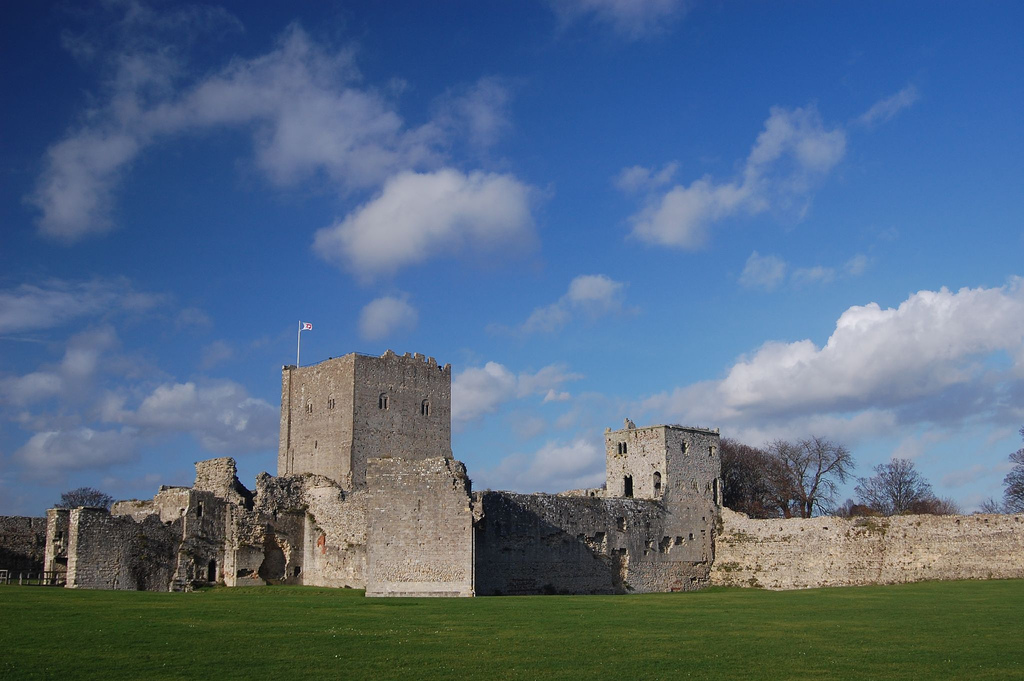
A Norman castle was built inside a Roman coastal fort; the site retains defensive walls spanning multiple periods.
Last verified Oct 16, 2026
The Norman keep within the Roman coastal fort, together with the site's history of holding prisoners of war, form the main attractions.
Last verified Oct 16, 2026
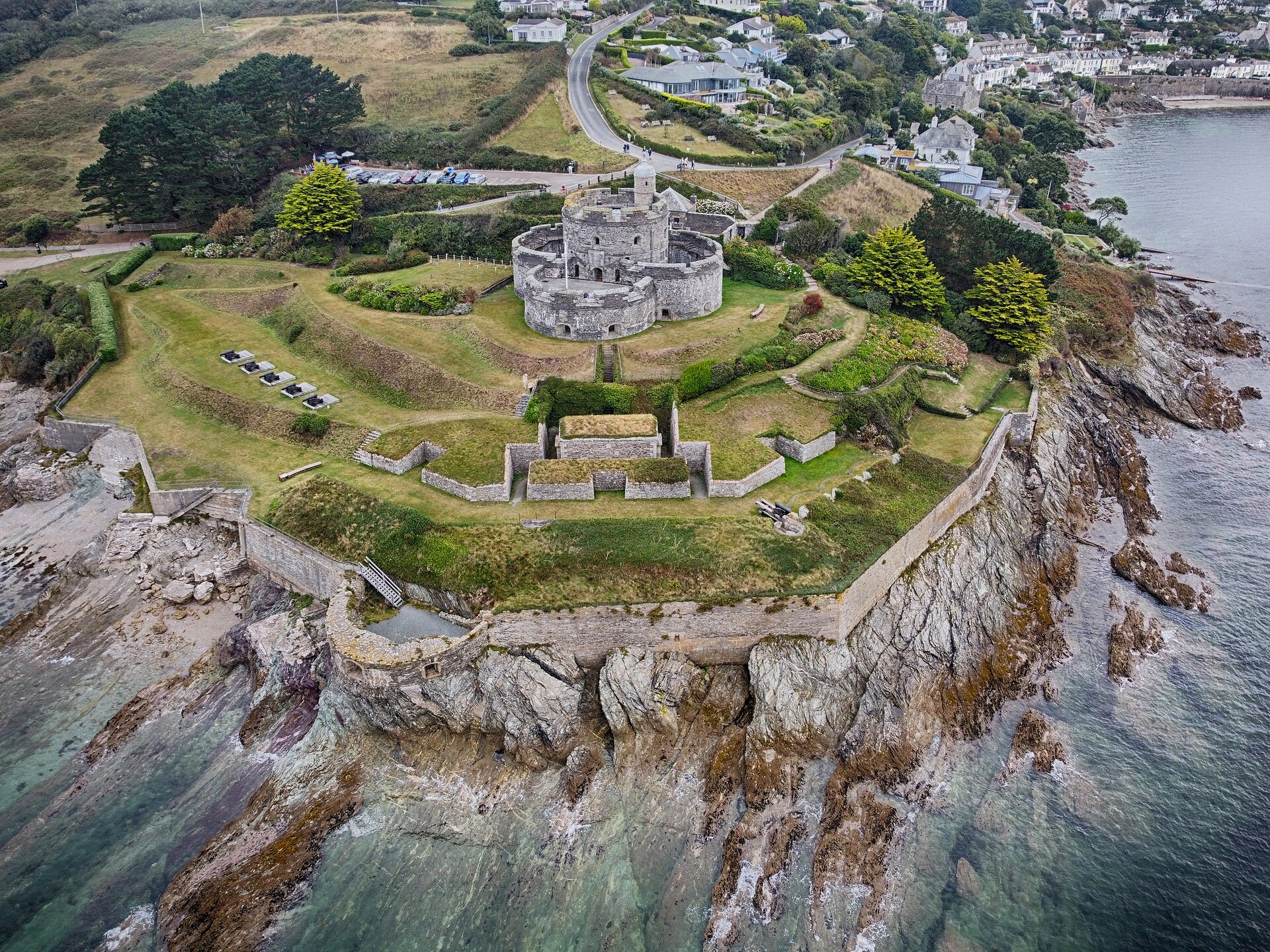
A Tudor coastal battery that guarded the Carrick Roads waterway together with Pendennis Castle, retaining its trefoil defensive layout.
Last verified Oct 16, 2026
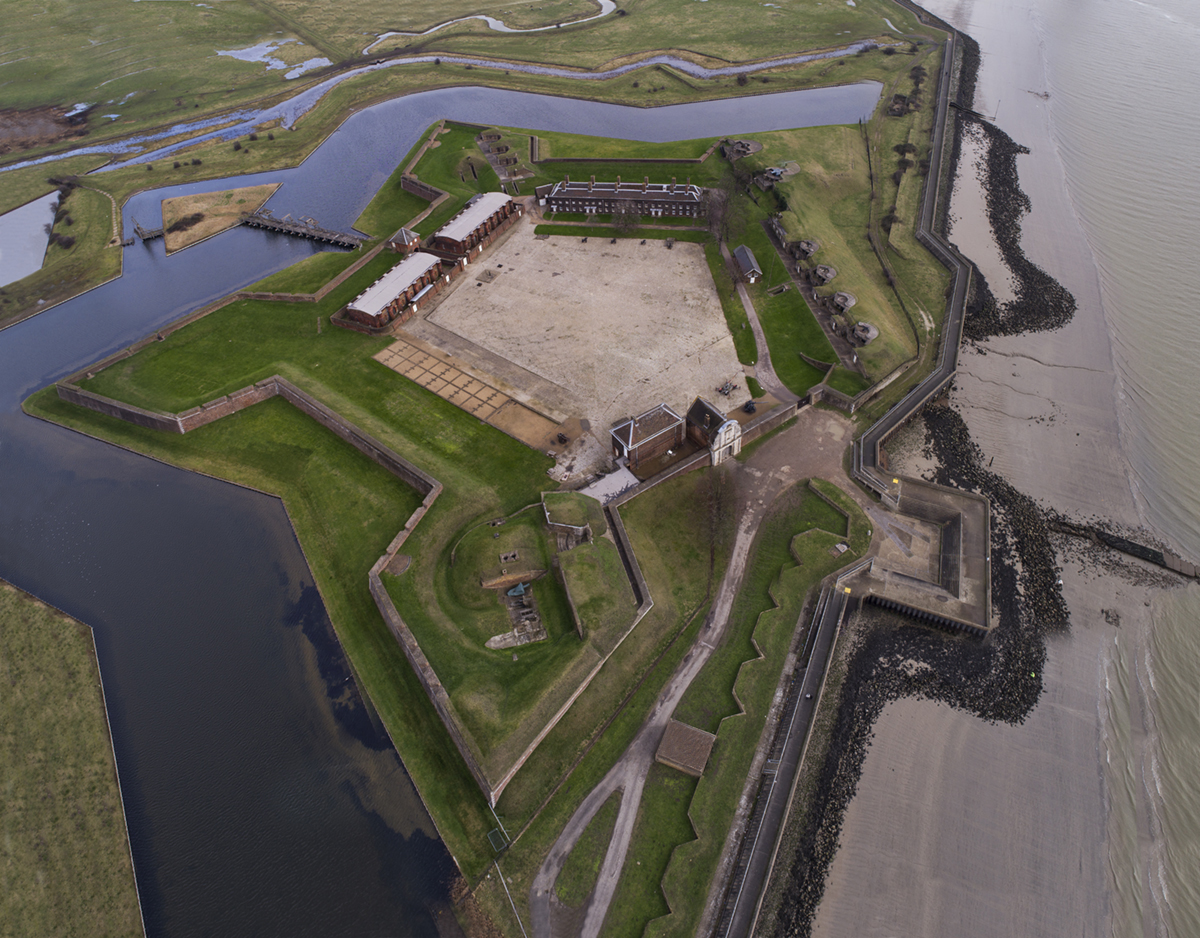
A bastion-style artillery battery from the era of Charles II; the outer ditch and defensive works are still recognisable.
Last verified Oct 16, 2026
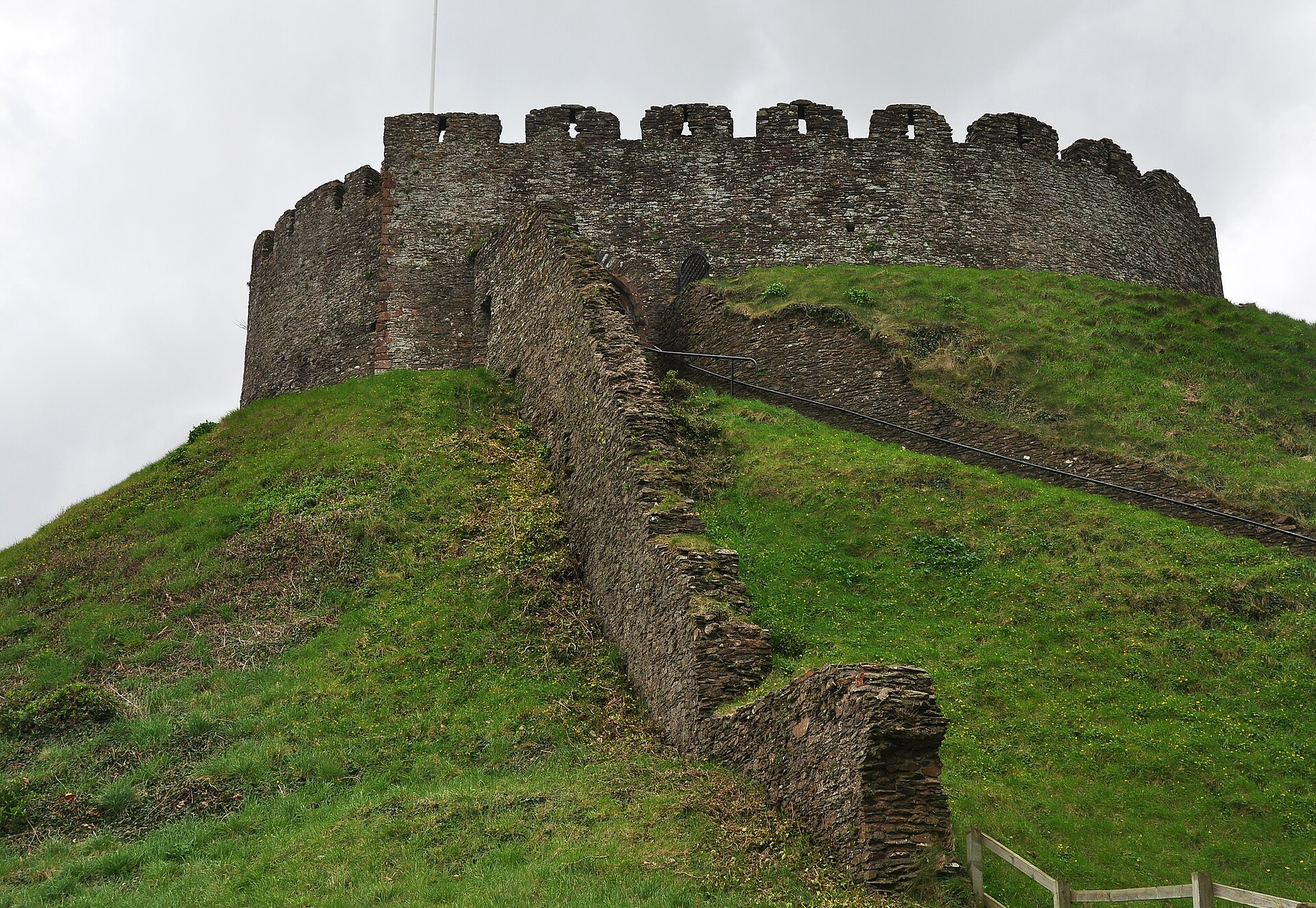
A shell keep of stone on a Norman motte, from which one can climb up to view the town and the direction of the River Dart.
Last verified Oct 16, 2026
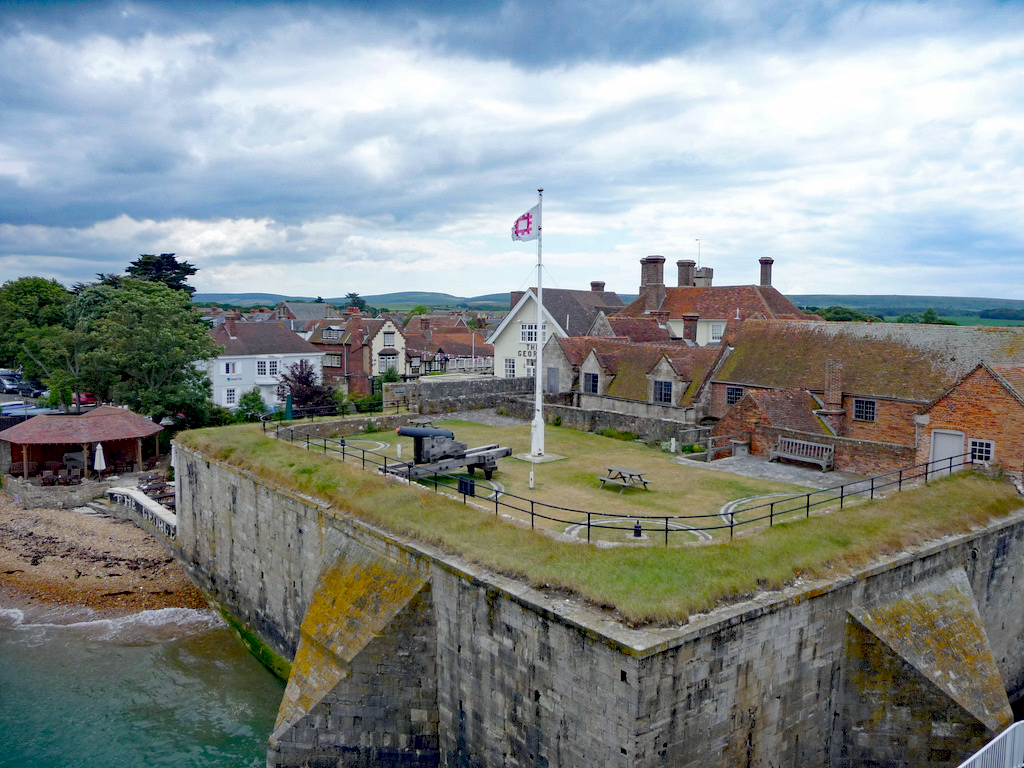
The square battery and arrow-shaped bastion were originally built to protect Yarmouth harbour and the western approaches to the Solent.
Last verified Oct 16, 2026
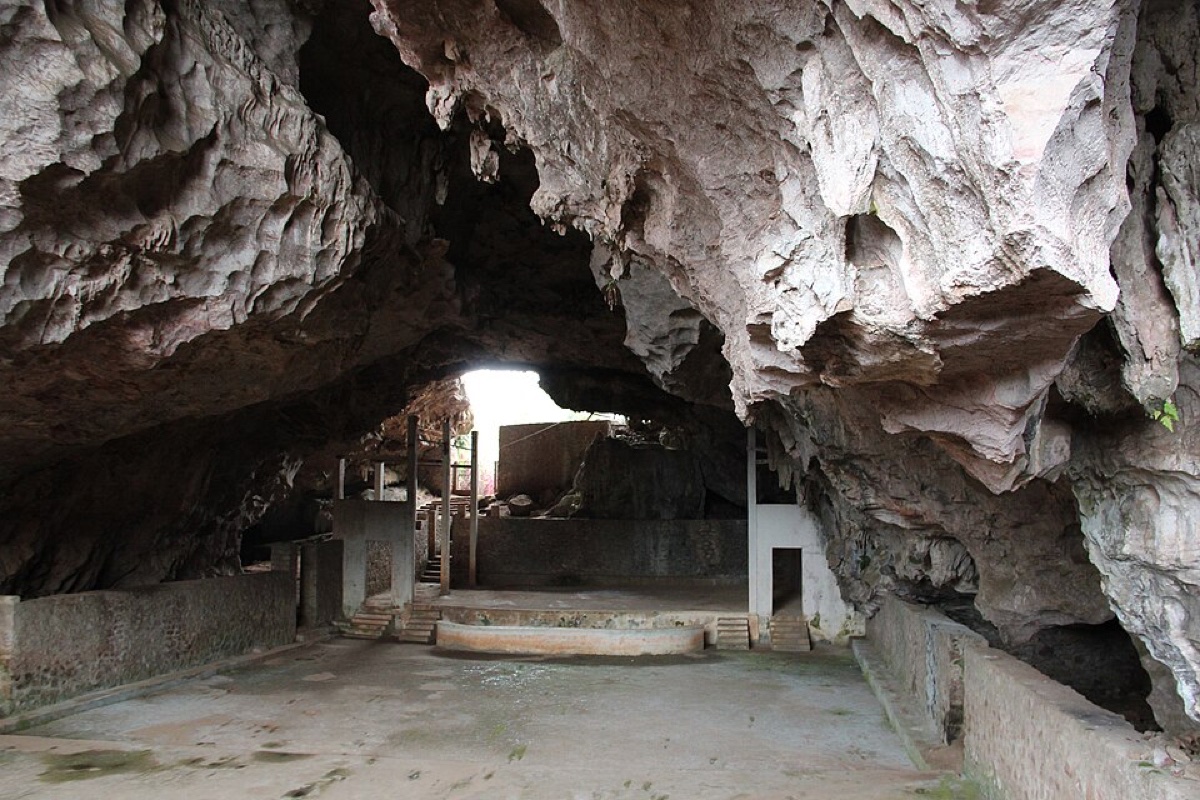
ຖ້ຳວຽງໄຊ (Tham Viengxay)
印度支那战争期间巴特寮地下总部:1964至1973年美机持续轰炸下,两万余人在喀斯特溶洞群中运转指挥机关、医院、学校与剧院。凯山·丰威汉办公洞保留会议室与隐蔽紧急出口,18点位语音导览串联全程,洞区间需自行车转场。
Last verified Oct 20, 2026
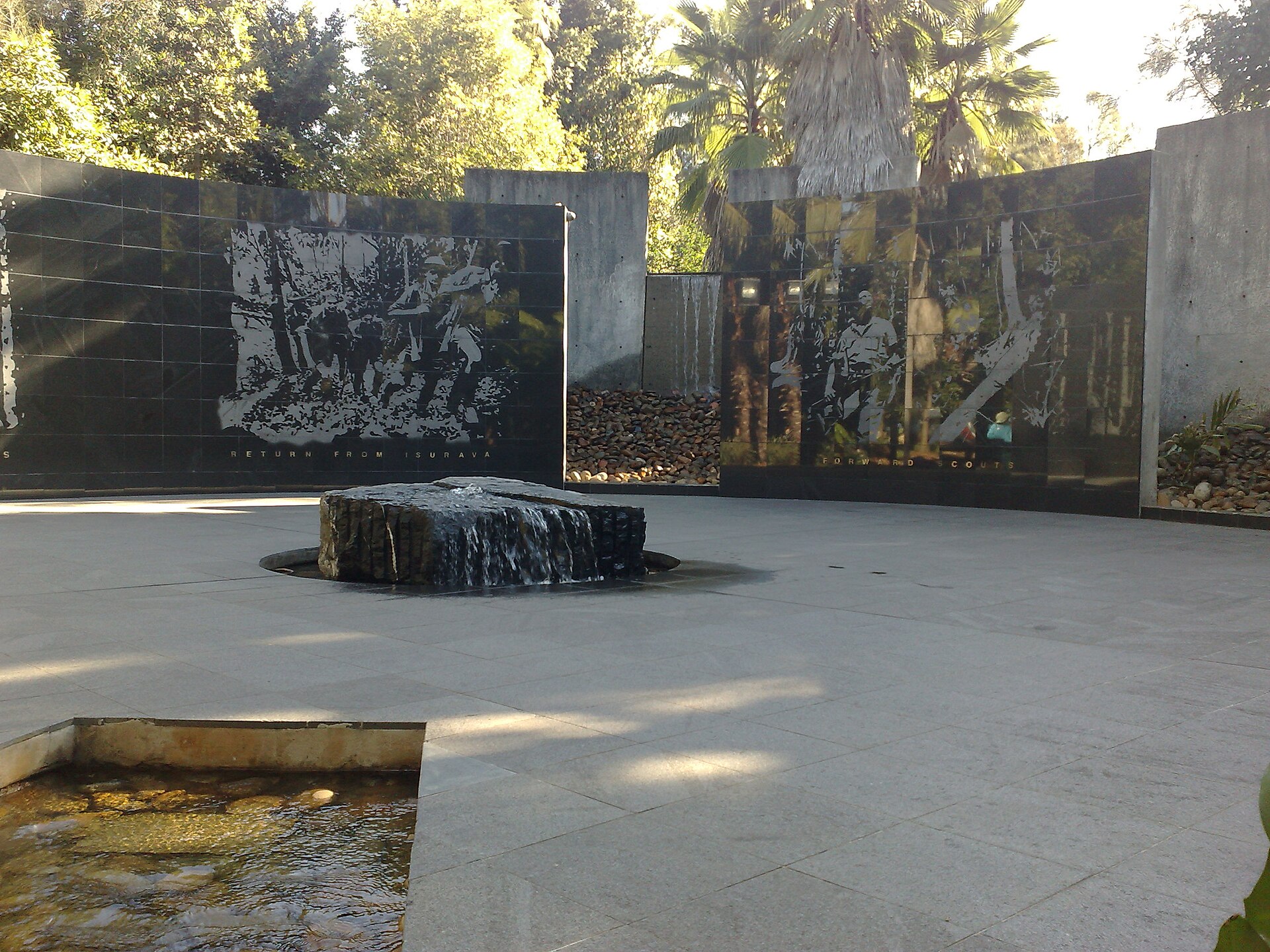
In 1943, the Australian Army's 7th Infantry Brigade and the 2nd Water Workshop built a stone cairn memorial on site using locally sourced materials, commemorating officers and soldiers killed in the Kokoda campaign from July to November 1942; the main inscription draws on Tennyson's 'to strive, to seek, to find, and not to yield'; in 1990, a thank-you plaque from the Sogeri Ianari clan was added. It is the first memorial structure on the Kokoda Track.
Last verified Oct 17, 2026
The Civilian War Memorial in the park was unveiled in 1967 and is commonly known as "The Chopsticks". The 61-metre-tall four pillars are joined at the base, symbolising the Chinese, Malay, Indian and Eurasian communities who perished during the Japanese occupation in World War II. A memorial service is held there each year on 15 February (Total Defence Day).
Last verified Oct 20, 2026
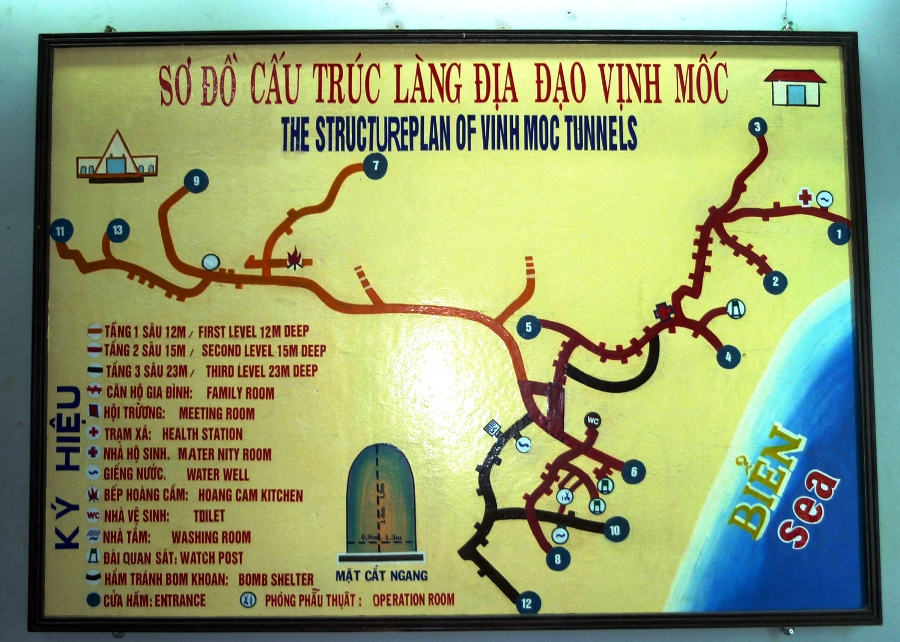
Địa đạo Vịnh Mốc
An underground village on the northern edge of the Vietnam War DMZ: from 1965 to 1968 villagers and soldiers hand-dug about 2 km of three-level tunnels (8-23 meters deep, with a 780-meter main gallery), where over 60 households lived underground and 17 babies were born in the tunnels; family compartments, wells, a delivery room, and a seaward exit are preserved in original condition, presenting the wartime history of this coastal tunnel village.
Last verified Oct 17, 2026