Soviet War Memorial (Vienna)
Heldendenkmal der Roten Armee
Soviet Army memorial completed in 1945, topped by a Red Army soldier statue, a Vienna landmark
Last verified Oct 3, 2026
 MilAtlas
163 verified spot(s)
Heldendenkmal der Roten Armee
Soviet Army memorial completed in 1945, topped by a Red Army soldier statue, a Vienna landmark
Last verified Oct 3, 2026
North Head Sanctuary
WWII 9.2-inch coastal gun battery, tunnels and the 'Battle for Sydney Memorial Walk'; includes the Third Quarantine Cemetery
Last verified Oct 3, 2026
Паметник на Съветската армия
Large Soviet Army memorial ensemble (with reliefs) in central Sofia, a landmark of Bulgaria's modern and contemporary history
Last verified Oct 3, 2026
Зайсан толгой (Zaisan Tolgoi)
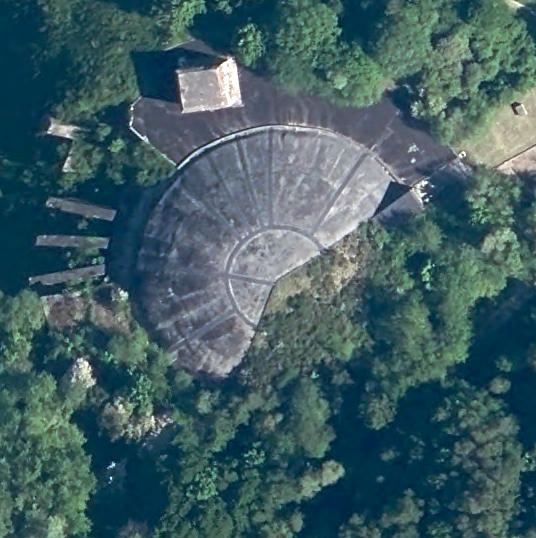
A hillside memorial completed in 1971 for the 50th anniversary of the People's Revolution; a circular panoramic mosaic depicts Soviet-Mongolian shared history: the 1921 independence, the 1939 Battle of Khalkhin Gol, the 1945 capture of Berlin, and Mongolia's first astronaut. A 27-meter flag-bearing soldier statue atop the hill overlooks all of Ulaanbaatar.
Last verified Oct 14, 2026
Гробље ослободилаца Београда
Memorial cemetery for those killed in the 1944 Battle of Belgrade's liberation, including monuments and equipment
Last verified Oct 3, 2026
A triumphal arch (1827-1834) commemorating victory in the War of 1812, crowned by a chariot statue group
Last verified Oct 6, 2026
Çanakkale Şehitleri Anıtı
The 41.7-metre four-column arch towers over Morto Bay, overlooking the Dardanelles Strait, commemorating some 250,000 Turkish casualties of the Gallipoli Campaign. The same entity administers the entire peninsula: ANZAC Cove's Australian and New Zealand landing beaches and cemeteries, restored trench lines, the 57th Regiment memorial site, Namazgah Battery and the Turkish martyrs' memorial complex — the original 8-month front line of the 1915 Gallipoli Campaign and the core site of Turkey's national memory of World War I.
Last verified Oct 18, 2026
Монумент «Батьківщина-мати»
A 102-meter giant statue, whose pedestal houses the National Museum of the History of Ukraine in World War II, with equipment displayed around it
Last verified Oct 3, 2026
G'alaba bog'i (Парк Победы)
A national-level memorial complex opened in 2020 for the 75th anniversary of Victory in WWII; embedded within the artificial mound is the Museum of Glory, holding 12,500 artifacts. The 'Ode to Resilience' monument features a statue of Zulfiya, a mother who lost five sons; the park's four-part narrative is complemented by an open-air equipment display and a recreated trench scene.
Last verified Oct 14, 2026
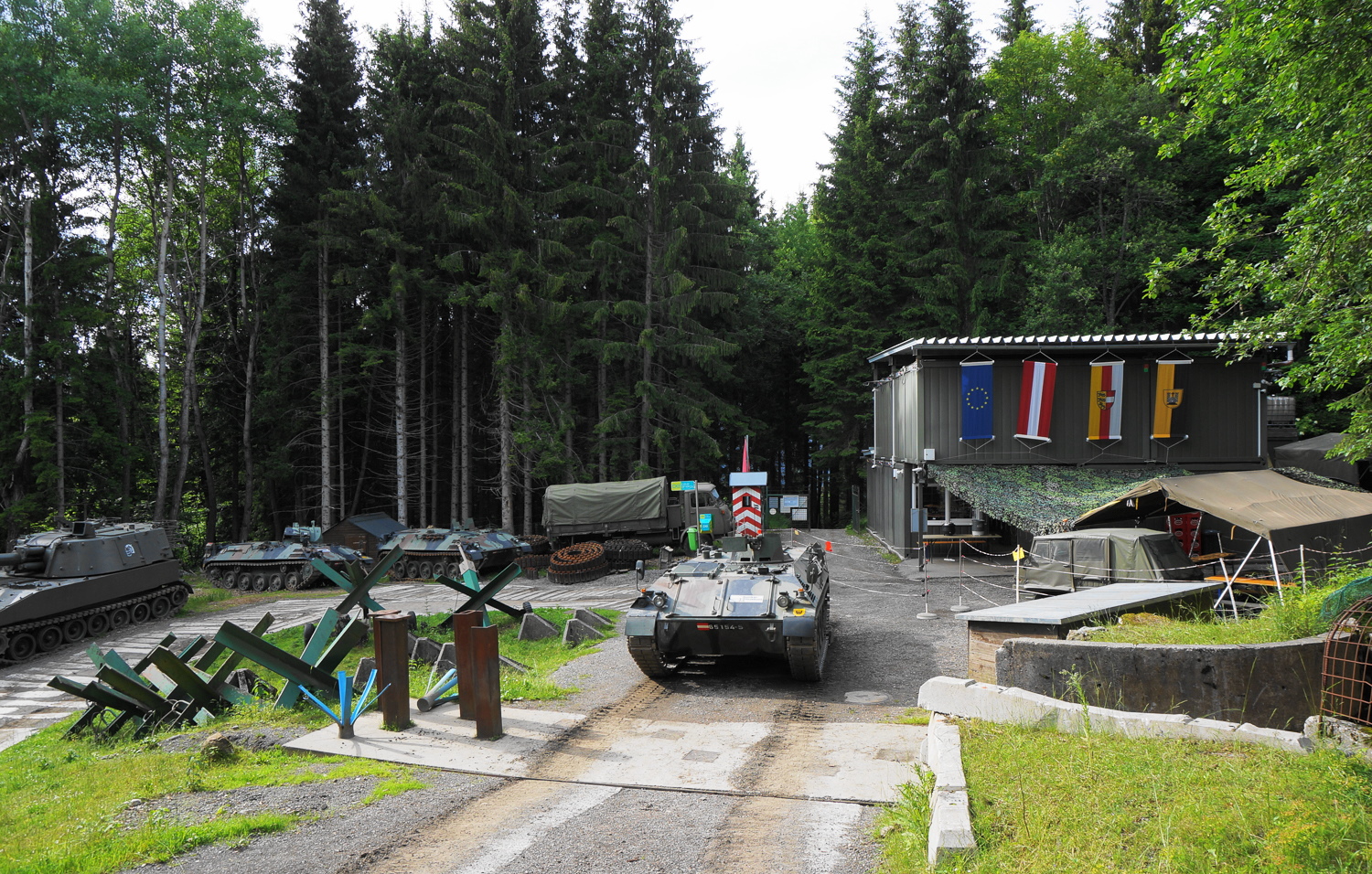
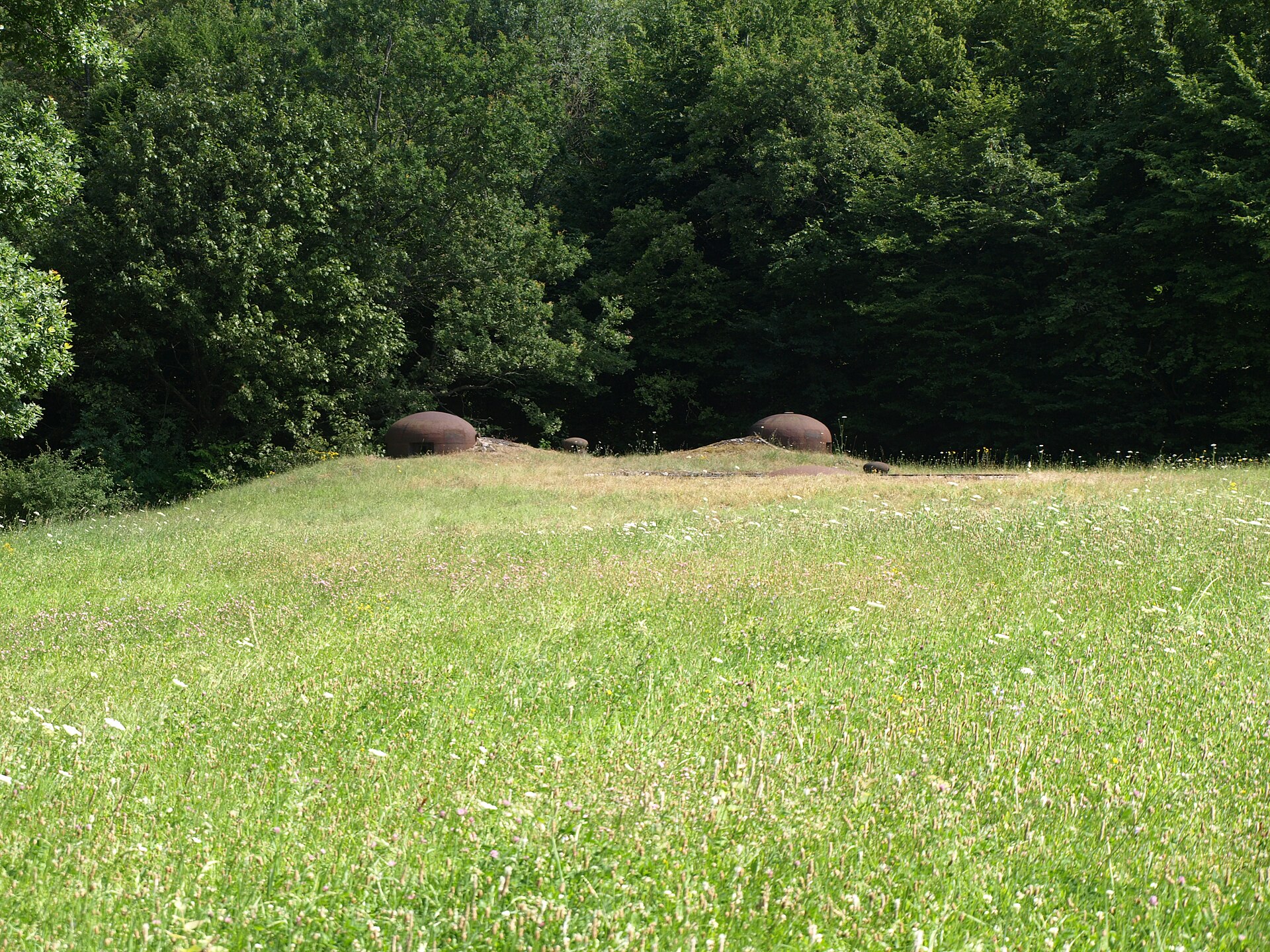
Connecting passages reveal a preserved Cold War mountain-pass defence position.
Last verified Oct 17, 2026
Fort Lytton
Queensland's only intact surviving 19th-century coastal battery, including trenches, a powder magazine and gun emplacements
Last verified Oct 3, 2026
Dambana ng Kagitingan
An on-site anchor of the Battle of Bataan and the Death March; the 95-meter white memorial cross on the summit is the world's second-largest memorial cross; an underground war museum is built inside the mountain; the cross and museum are being reinforced and renovated until '28, but the park remains open with tickets for visits and remembrance.
Last verified Oct 14, 2026
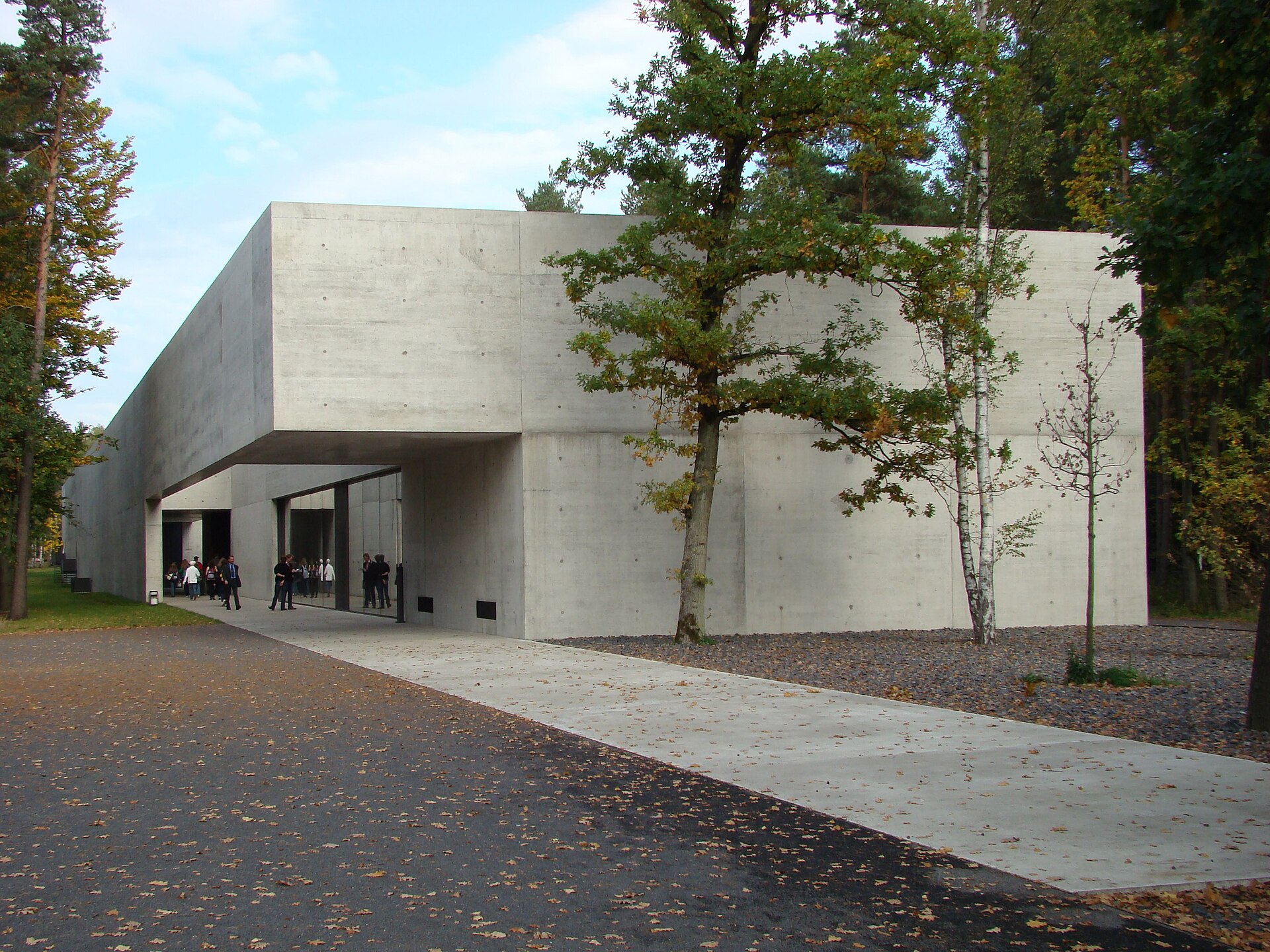
Documentation and the former camp grounds explore imprisonment and persecution during the war.
Last verified Oct 17, 2026
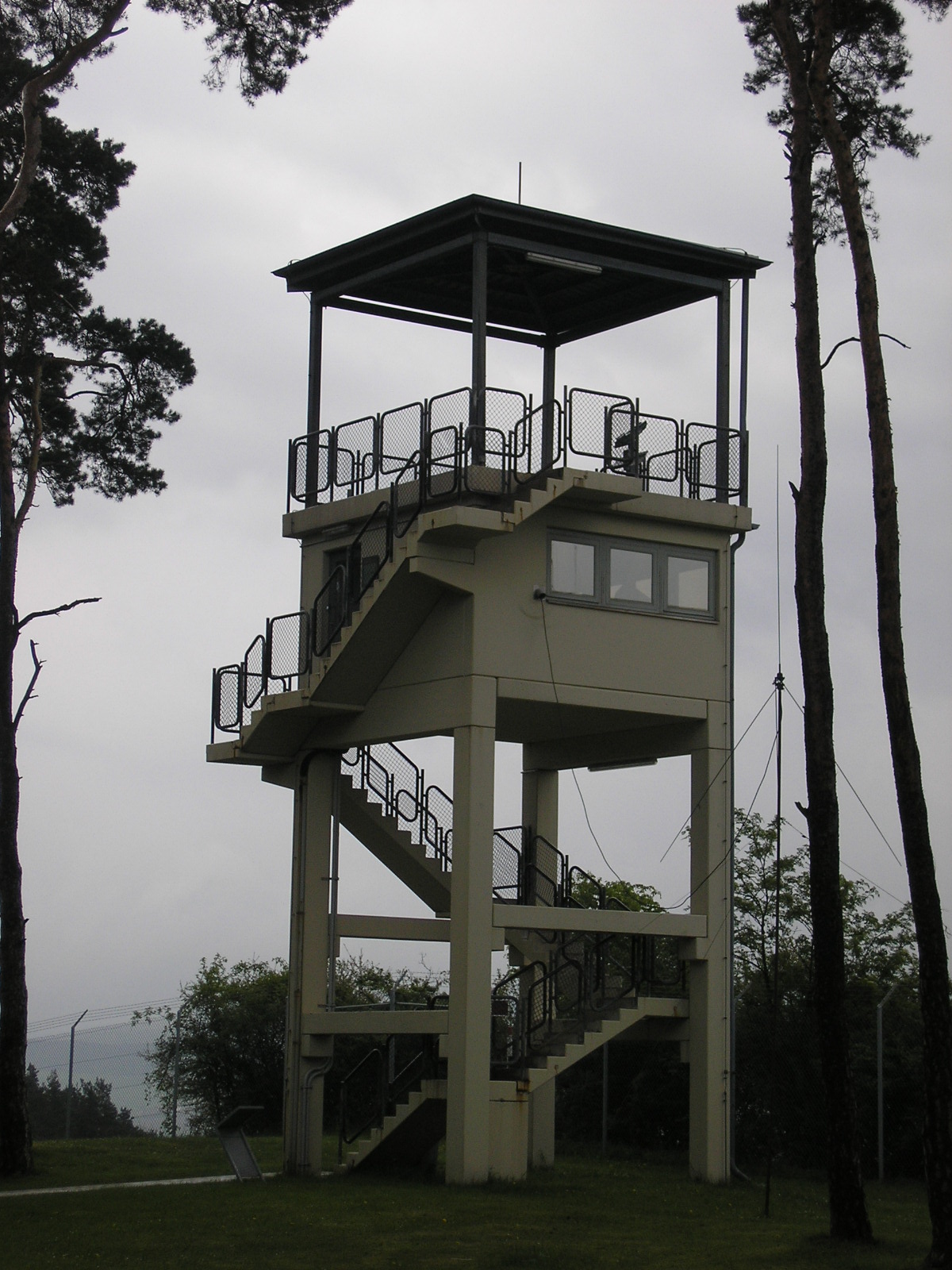
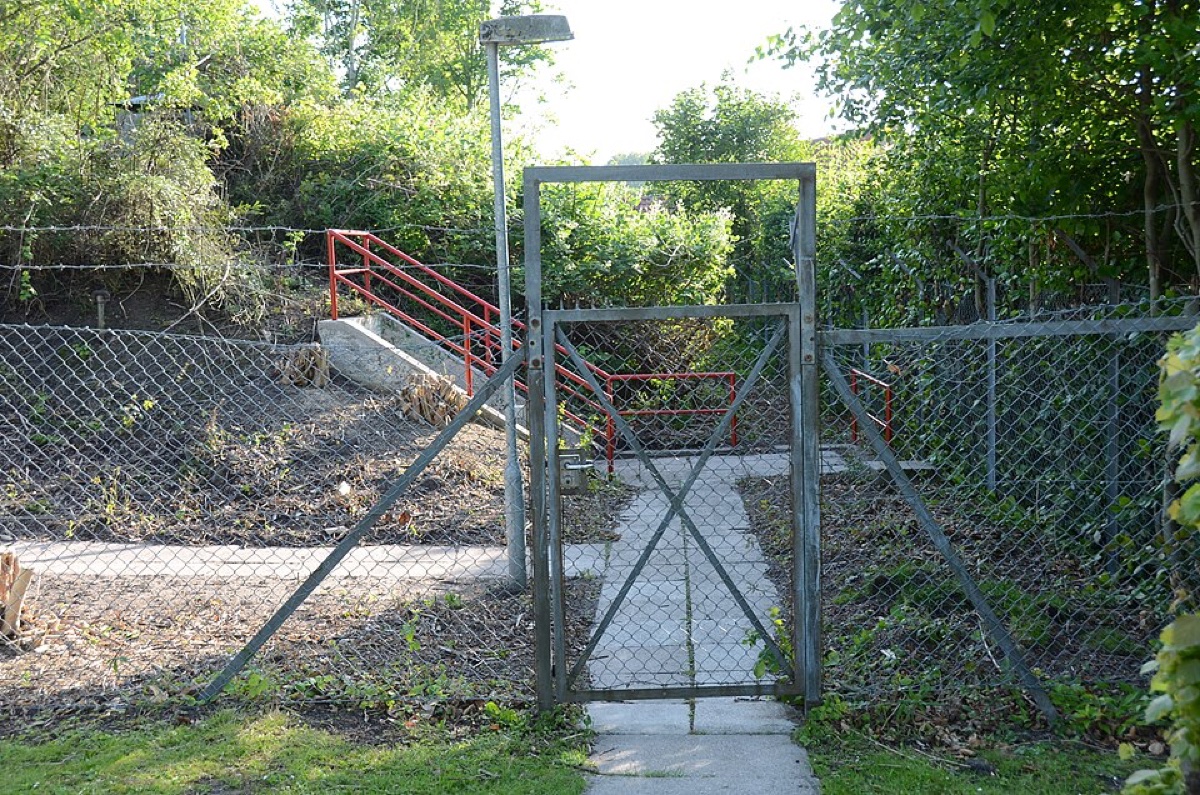
Learn about the Cold War standoff at the former border observation post and reconstructed border installations.
Last verified Oct 18, 2026
A former municipal command bunker explores Cold War civil defence and nuclear preparedness.
Last verified Oct 17, 2026
Guided underground visits explore the tunnels and garrison preparations before the Arras offensive of 1917.
Last verified Oct 17, 2026
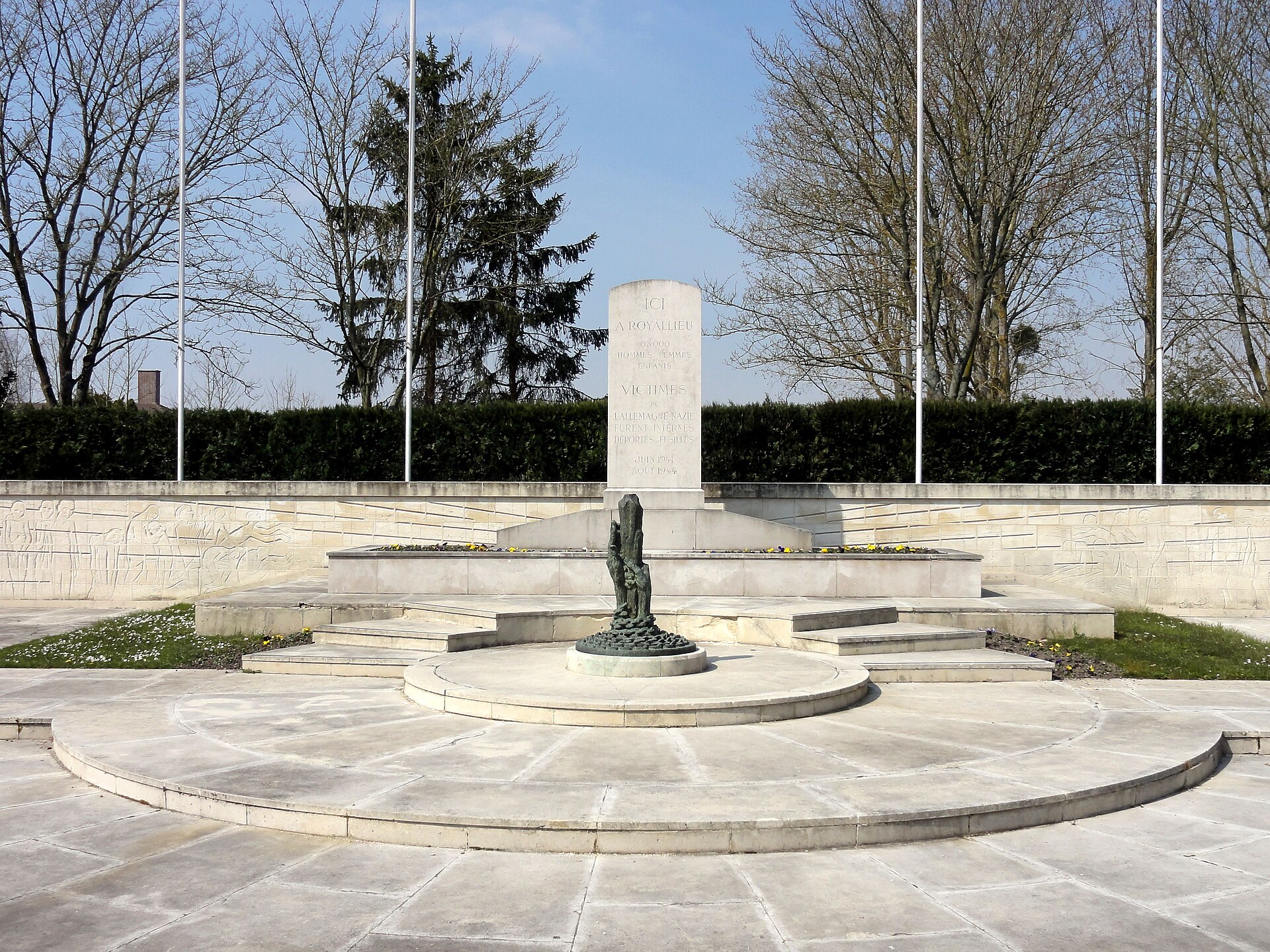
Preserved camp buildings and historical interpretation explore internment and deportation at Royallieu.
Last verified Oct 17, 2026
Explore a WWII underground bunker interpreting the German occupation, V1/V2 weapons and early space exploration.
Last verified Oct 18, 2026
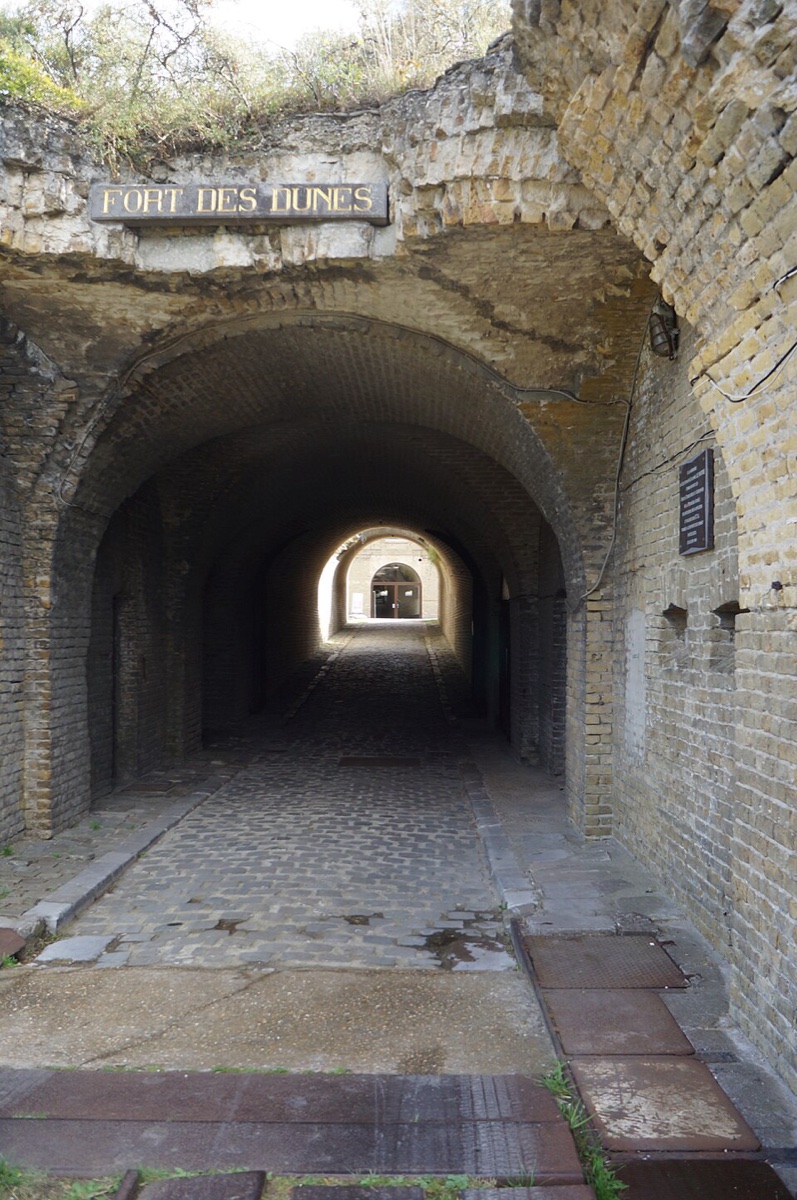
A 19th-century military fortress where visitors can learn about its defences and the fighting around Dunkirk in 1940.
Last verified Oct 17, 2026
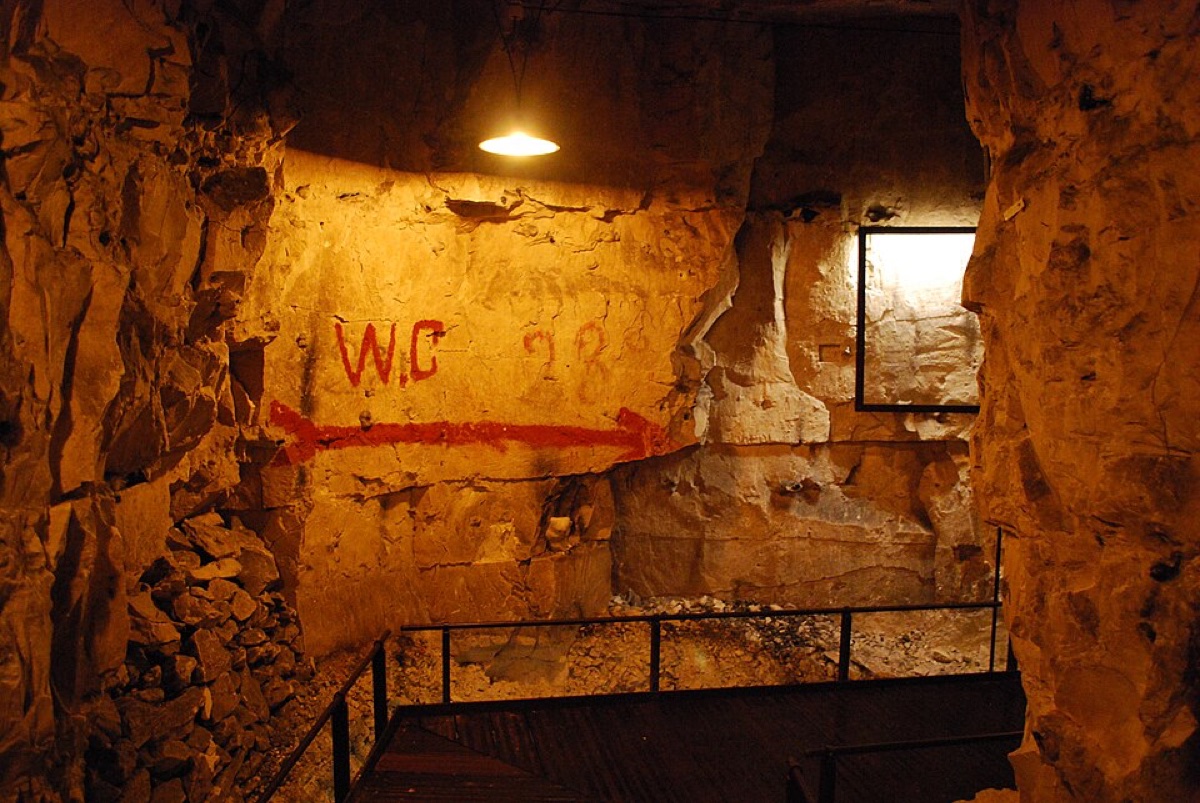
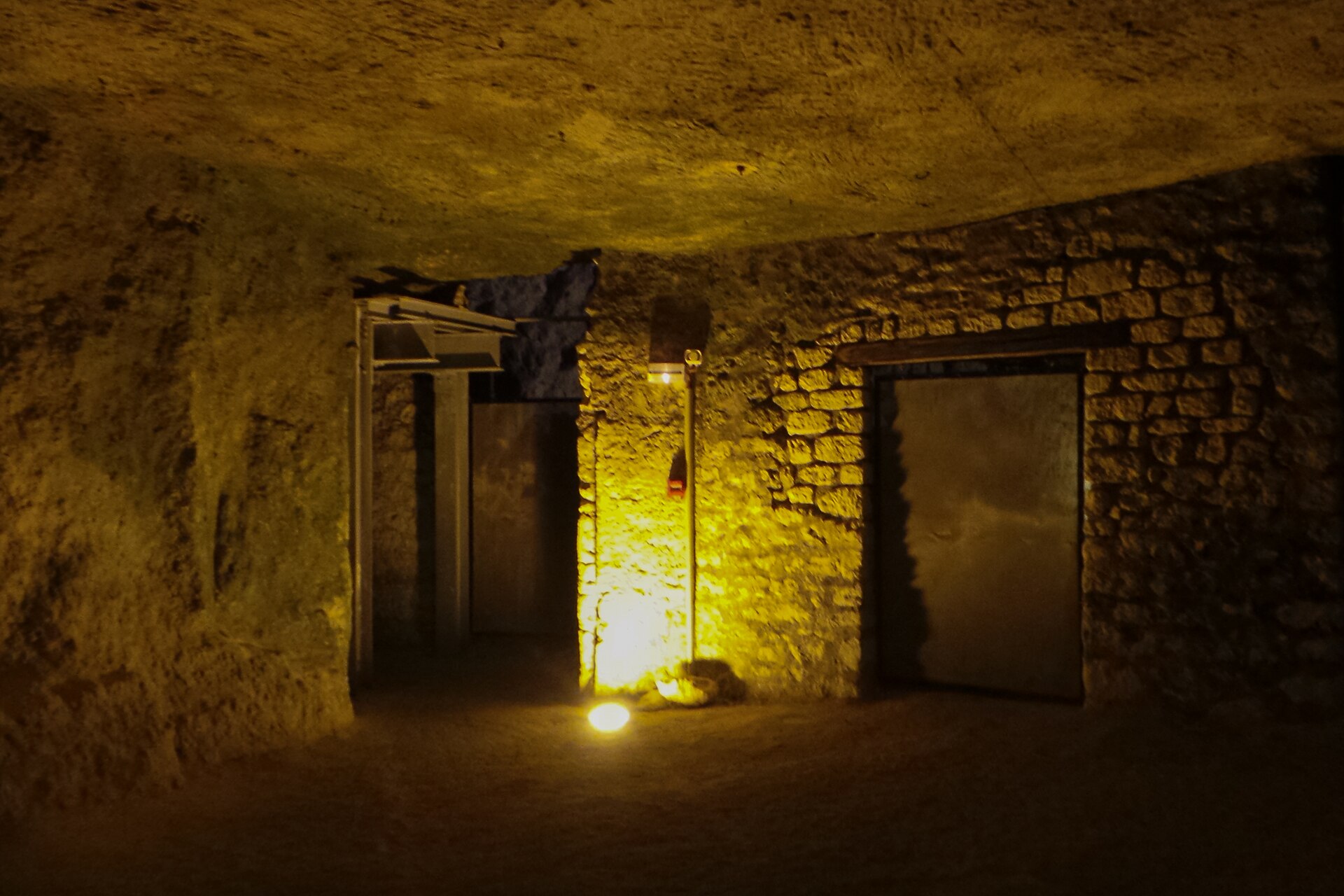
An underground quarry used as a military shelter during the First World War, interpreting the Chemin des Dames battlefield.
Last verified Oct 17, 2026
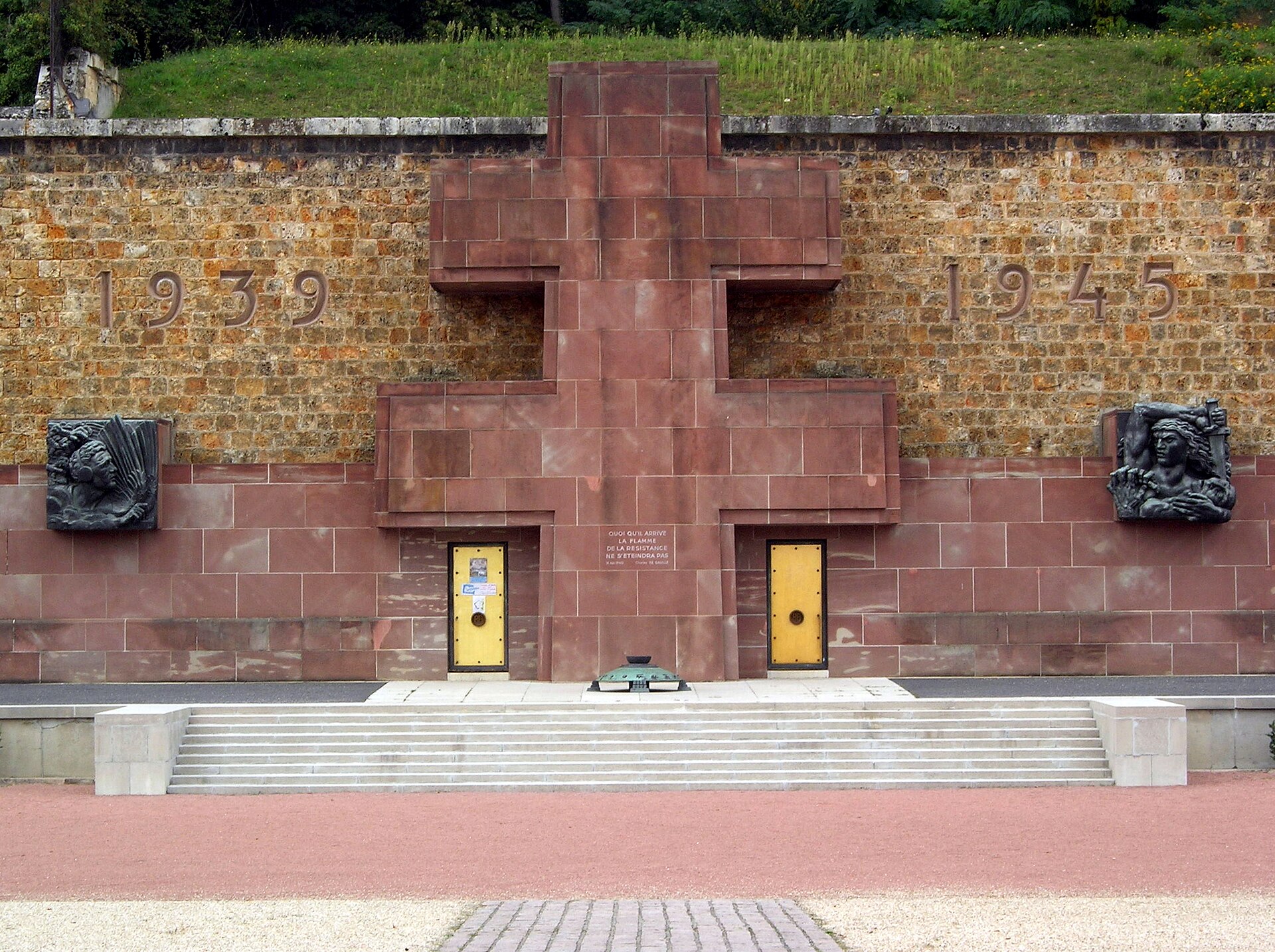
Exhibitions and audiovisual displays interpret resistance and the events of 1944 in the Vercors.
Last verified Oct 17, 2026
Visit a large underground fortification of the Maginot Line and learn about fortress engineering, communications and garrison facilities.
Last verified Oct 17, 2026
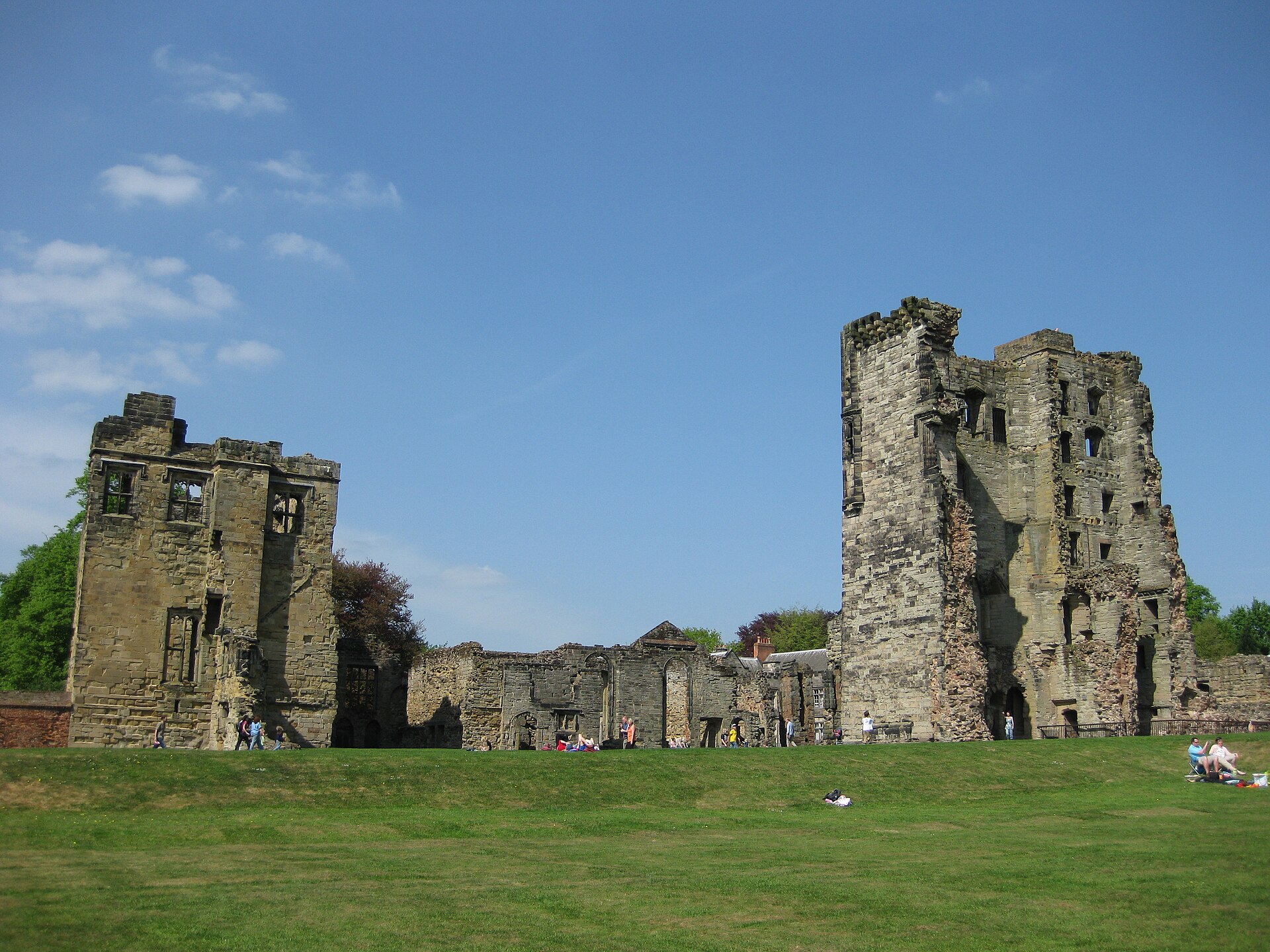
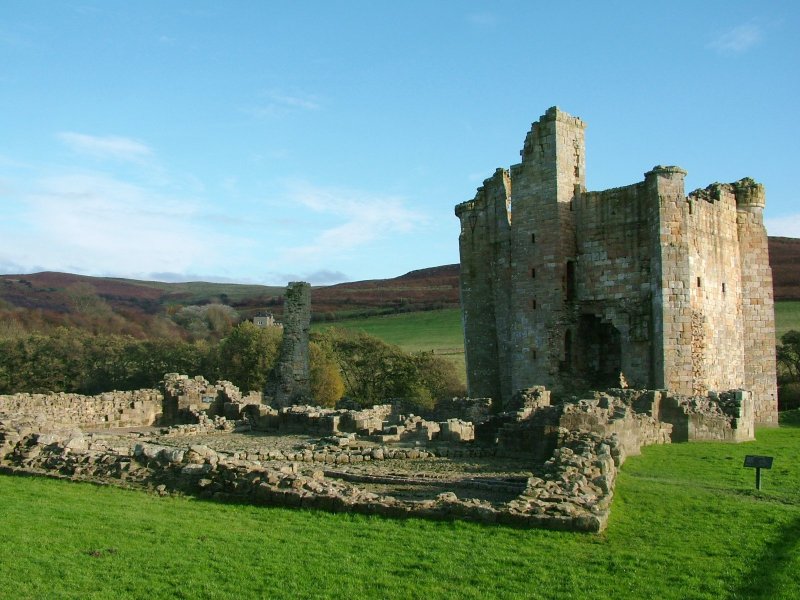
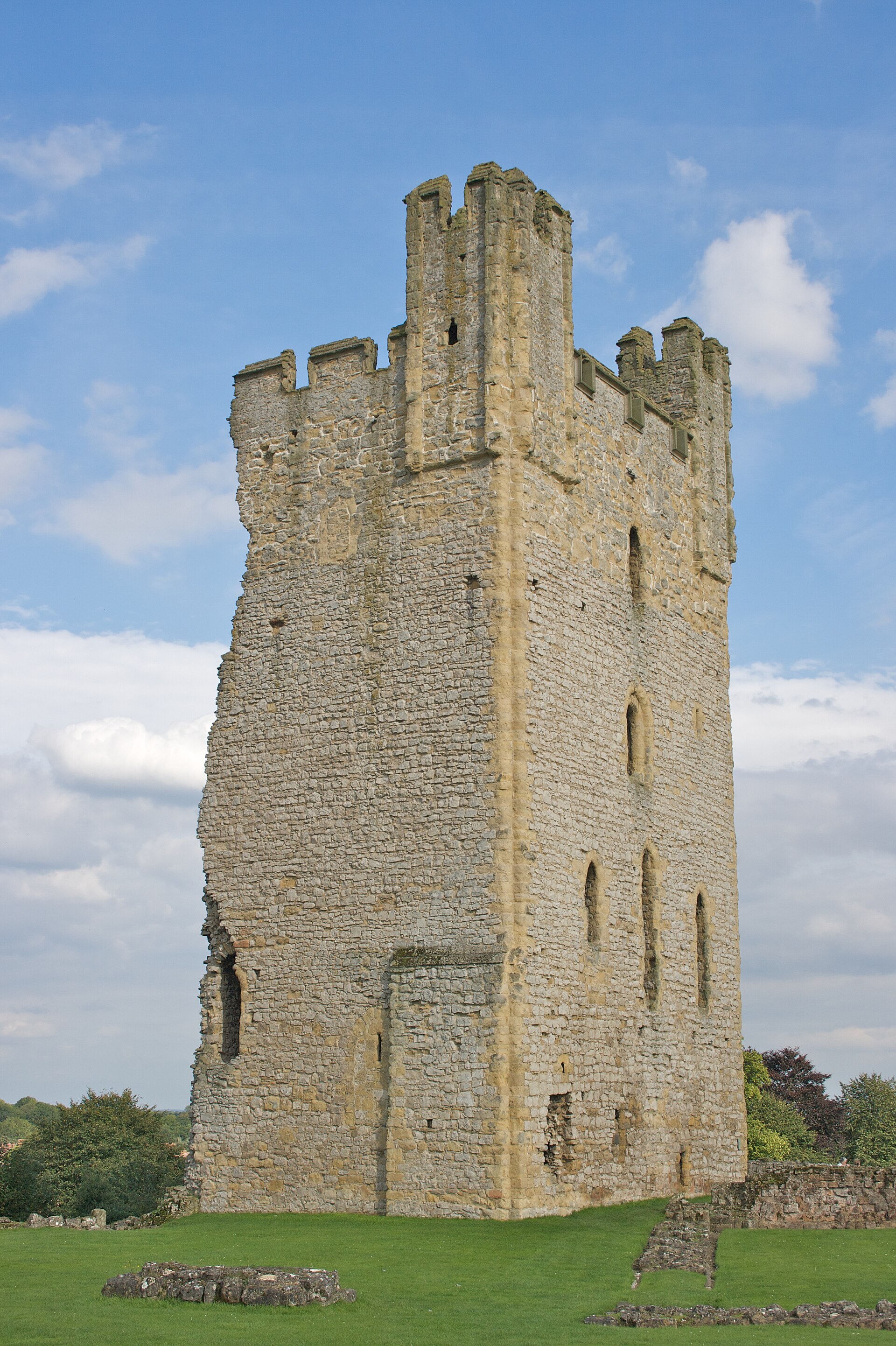
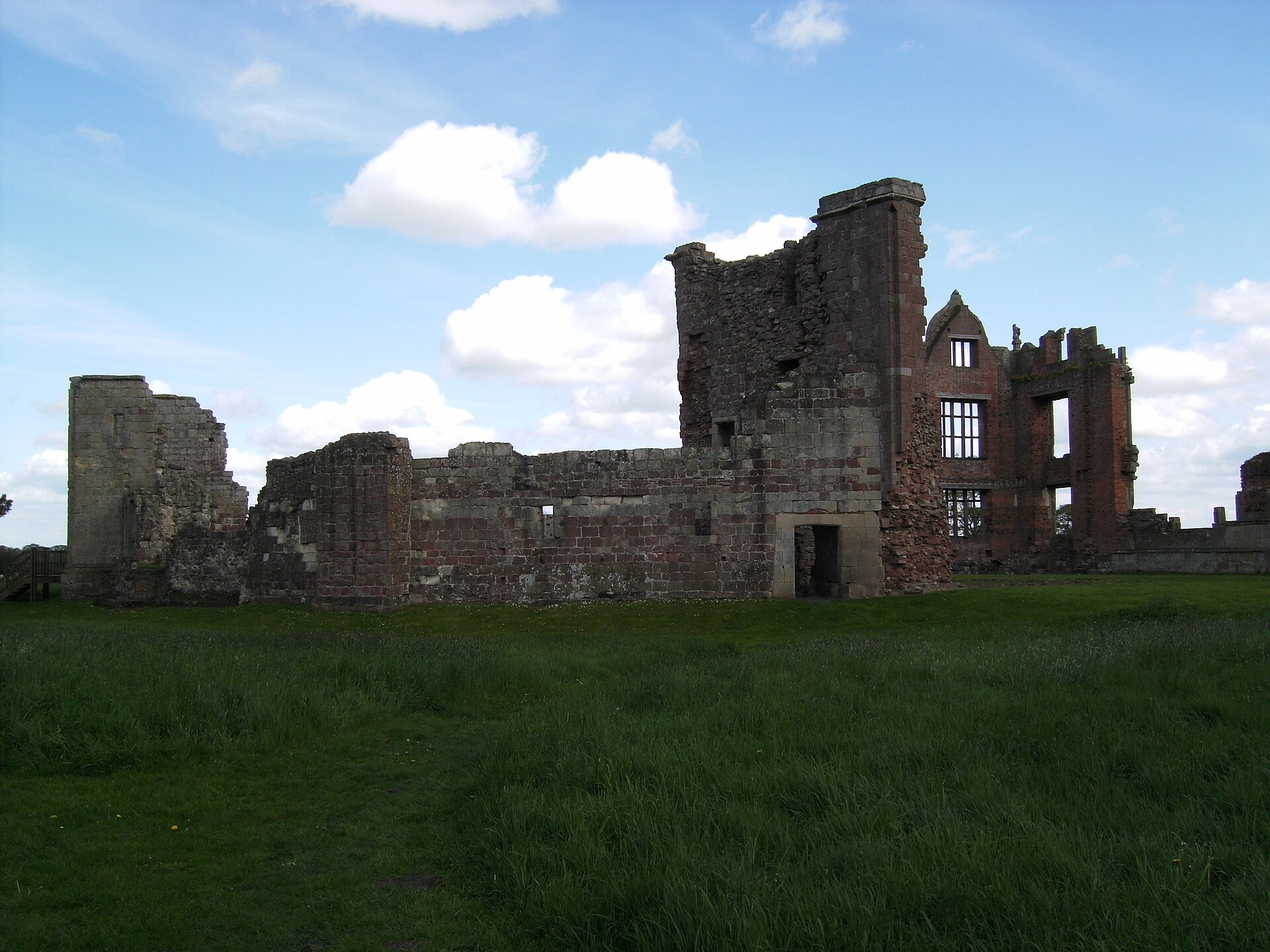
The ruins of the Hastings family castle retain the high tower and defensive remains, allowing visitors to study the layout of a noble fortress.
Last verified Oct 16, 2026
A stone fortress towering over the River Tees valley; the ruins retain round towers and medieval defensive structures.
Last verified Oct 16, 2026
Medieval castle ruins on a rocky hill; visitors can walk the paths to view the fortifications and steep defensive terrain.
Last verified Oct 16, 2026
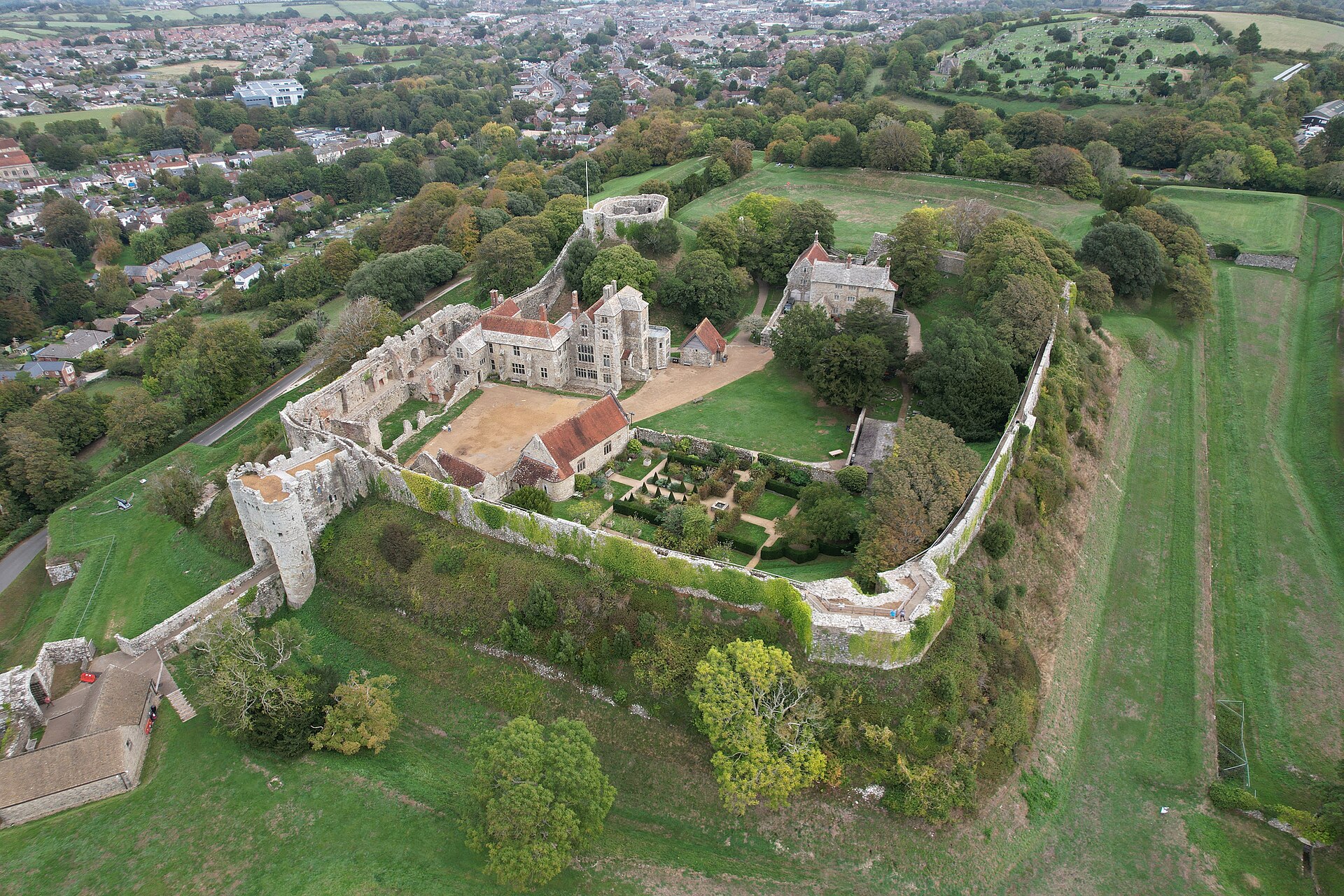
The grounds retain a medieval castle, open together with a later mansion and gardens; listed as a single site.
Last verified Oct 16, 2026
Norman motte-and-bailey ruins retain defensive terrain and ditches; visitors can walk through the medieval defensive layout.
Last verified Oct 16, 2026
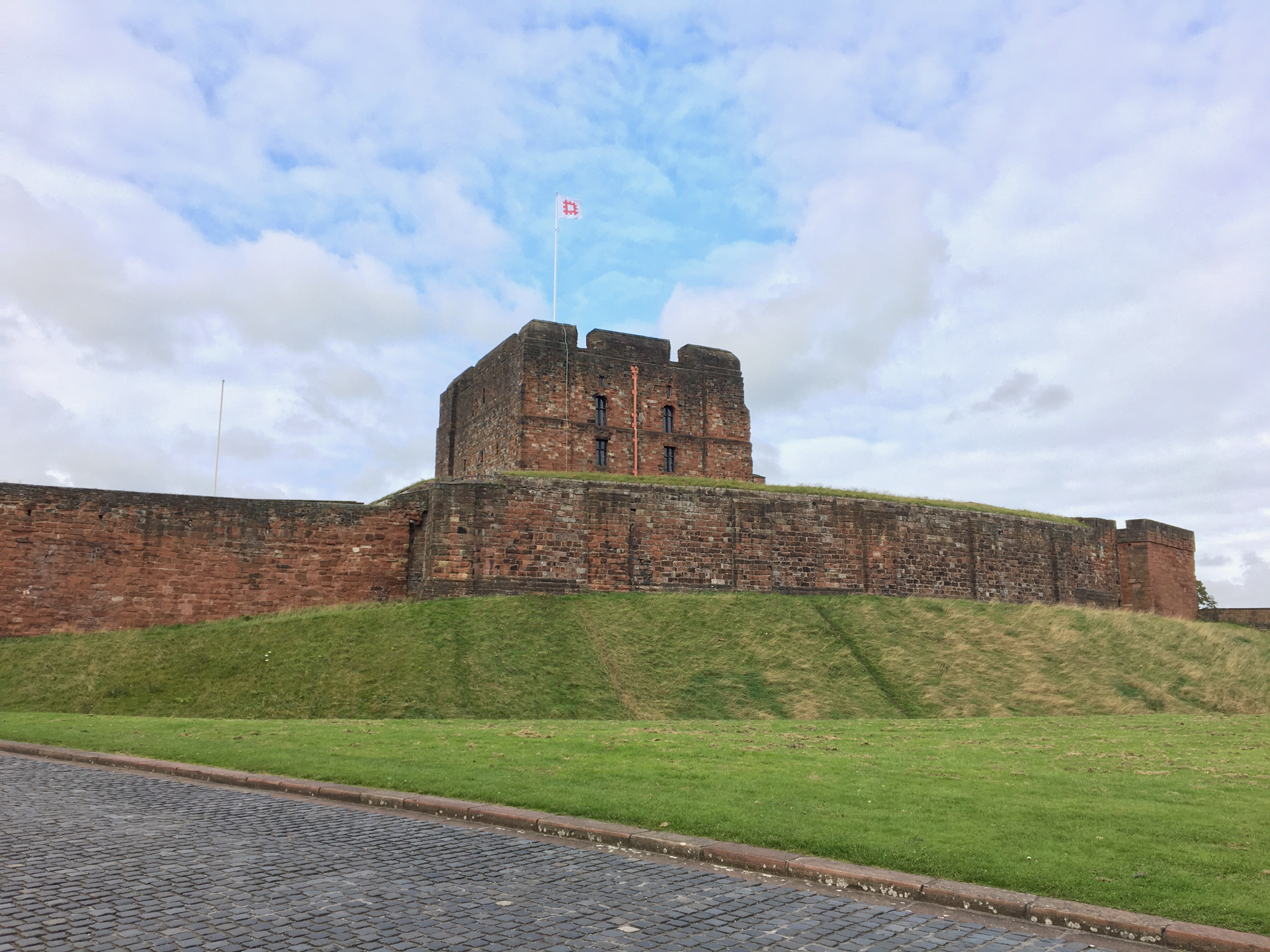
Medieval castle remains and town walls of a border town, reflecting the history of Anglo-Scottish border conflict.
Last verified Oct 16, 2026
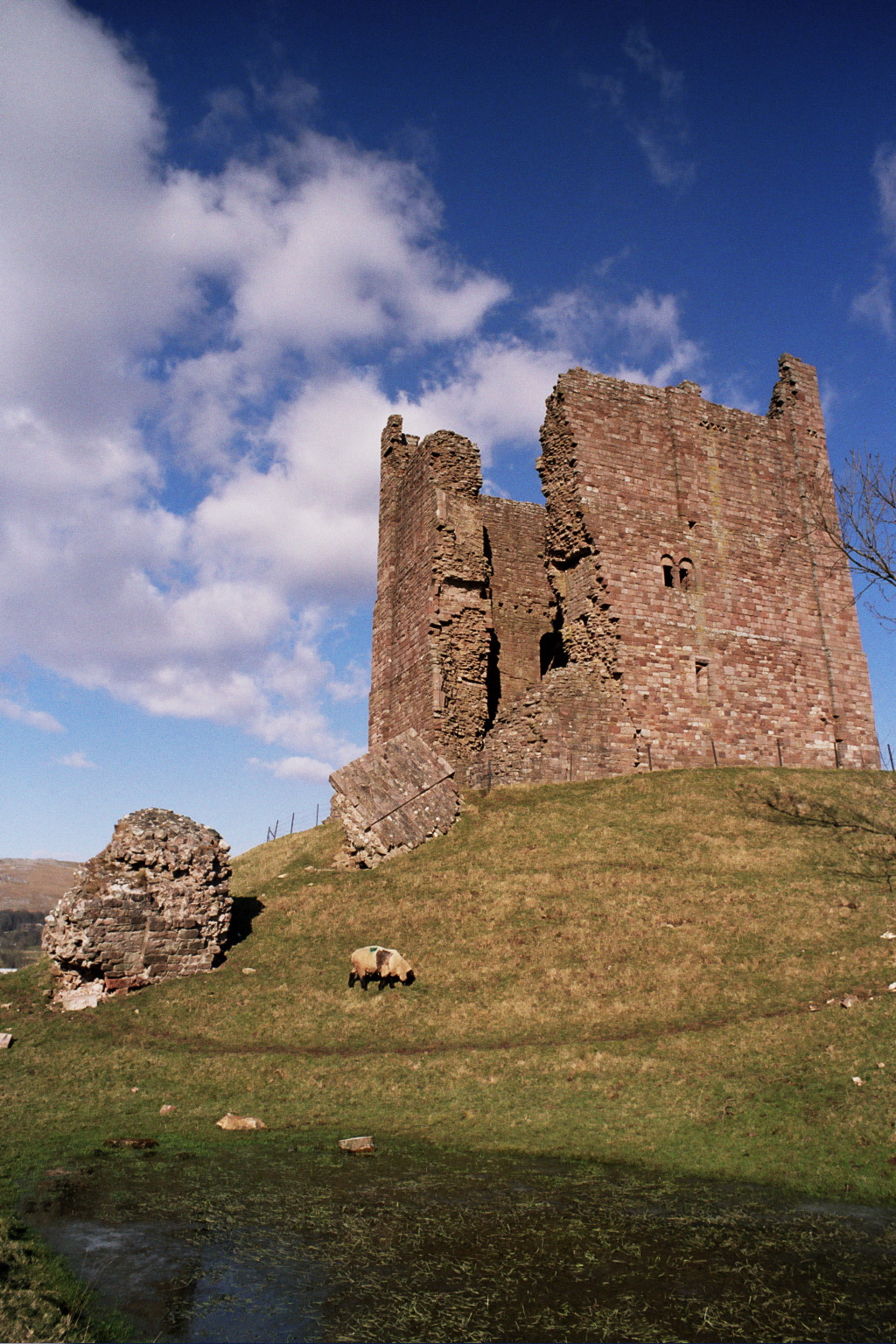
Ruins of the stone keep from the time of Henry II, controlling the Stanmore route across the Pennines.
Last verified Oct 16, 2026
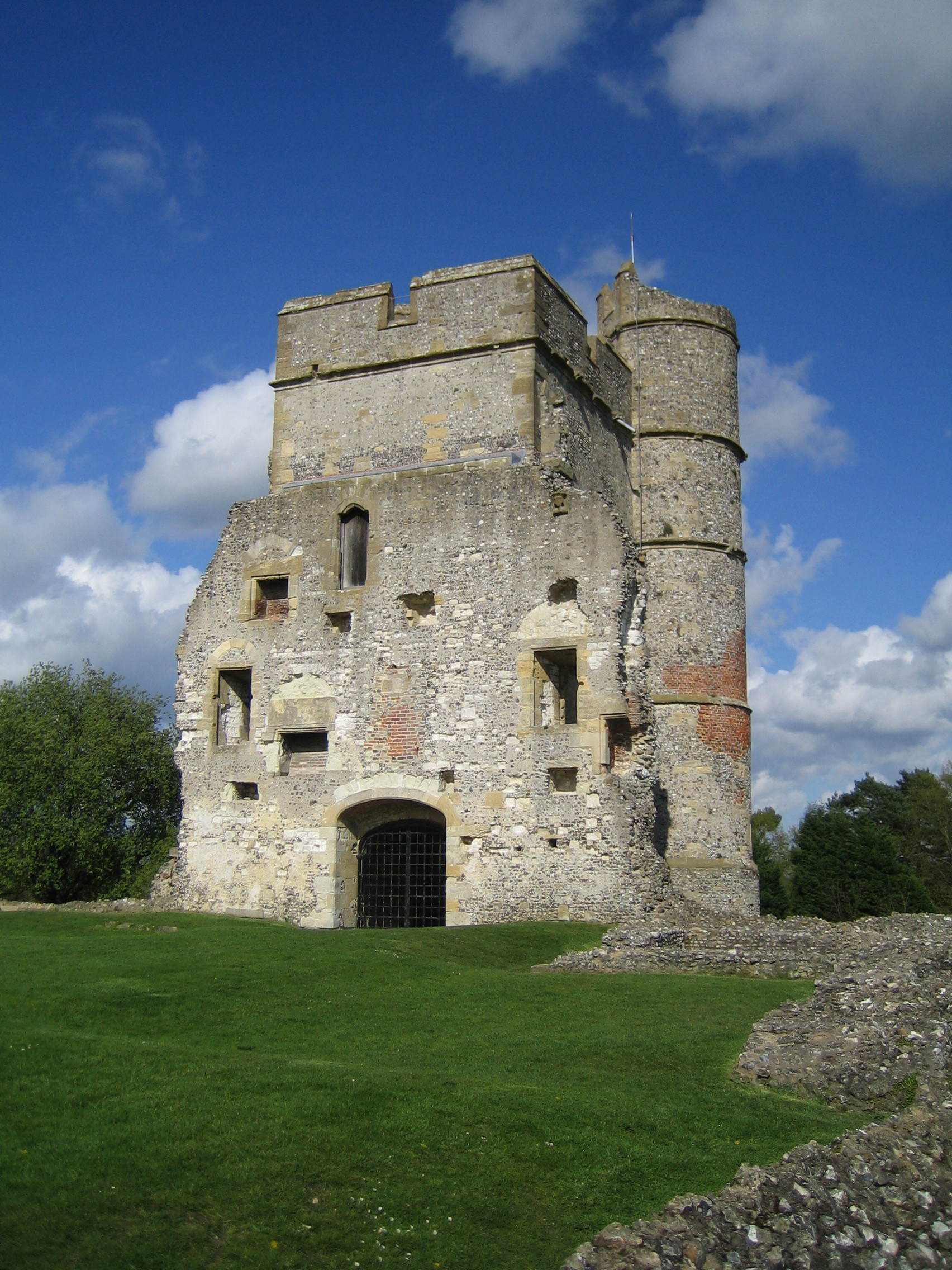
The Norman castle ruins sit on high ground, where the surviving gatehouse and earthworks can be observed; the original car park is currently closed.
Last verified Oct 16, 2026
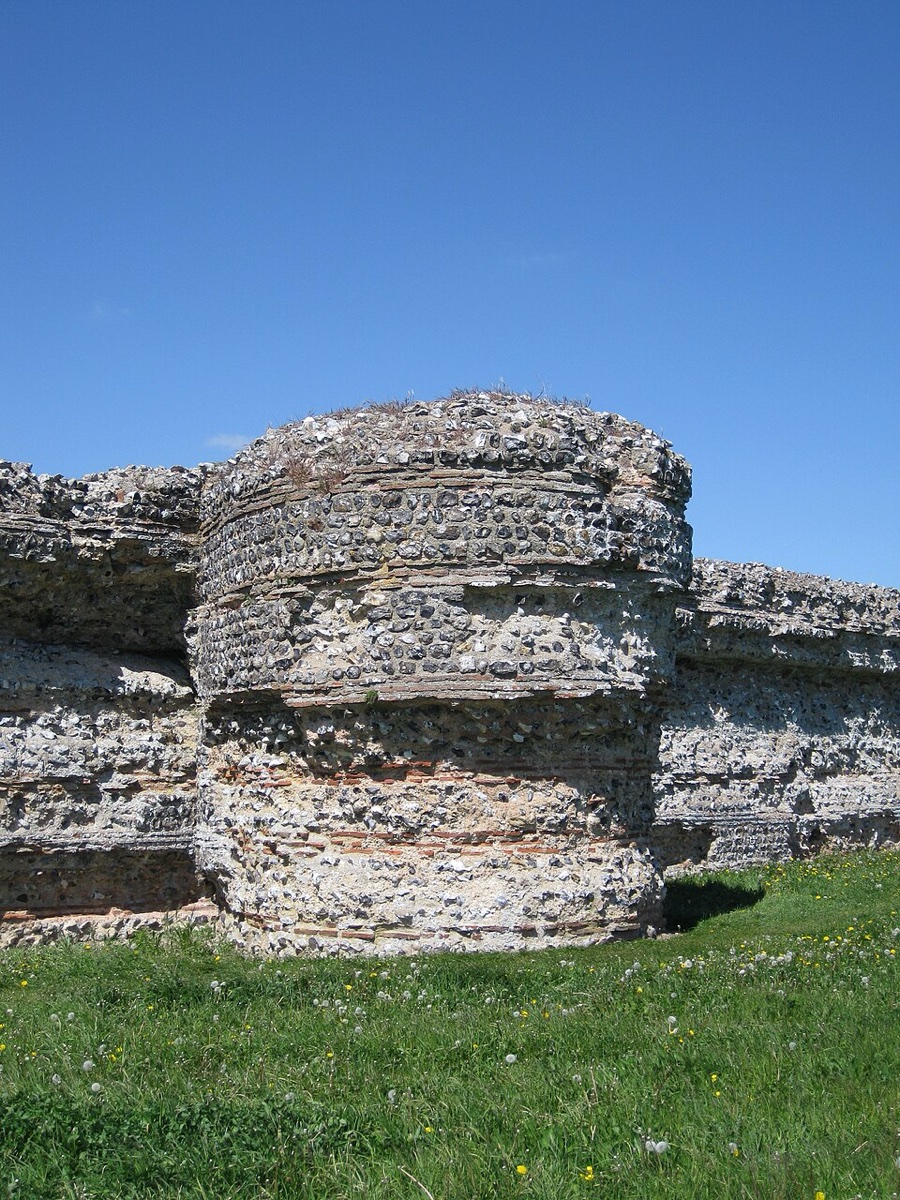
The tall stone walls and gun battery towers of this Roman coastal fort still stand, allowing observation of its defence layout with its back to the sea.
Last verified Oct 16, 2026
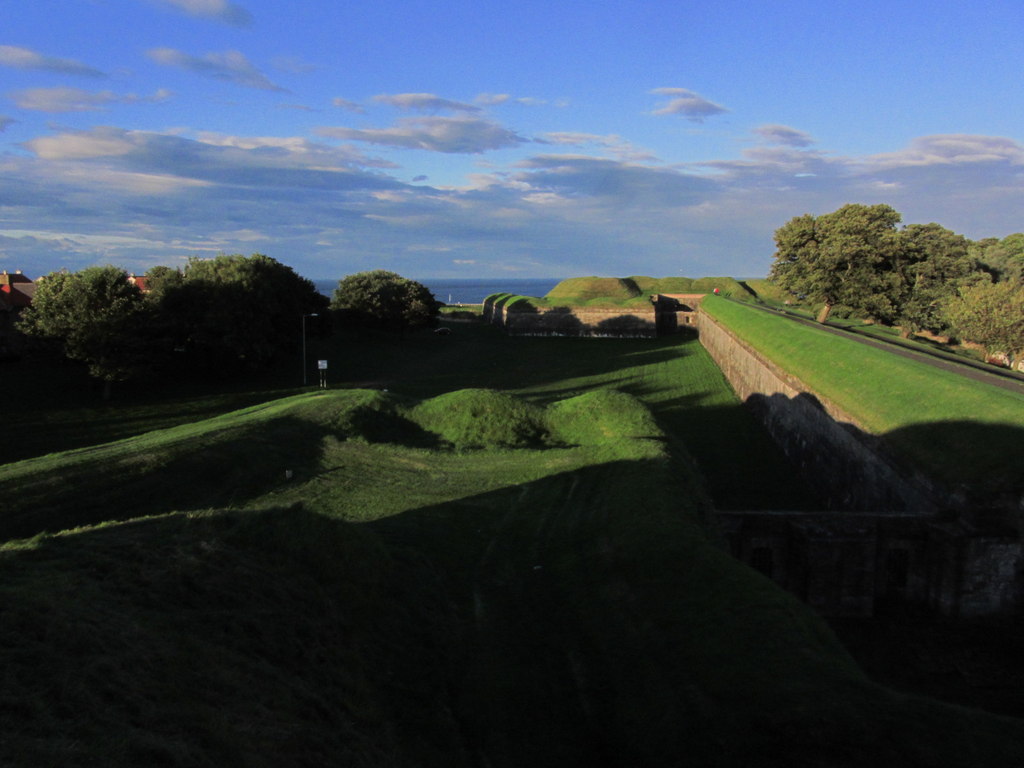
A fortress long guarding the Anglo-Scottish border; its walls, keep and later artillery defences reflect multiple sieges.
Last verified Oct 16, 2026
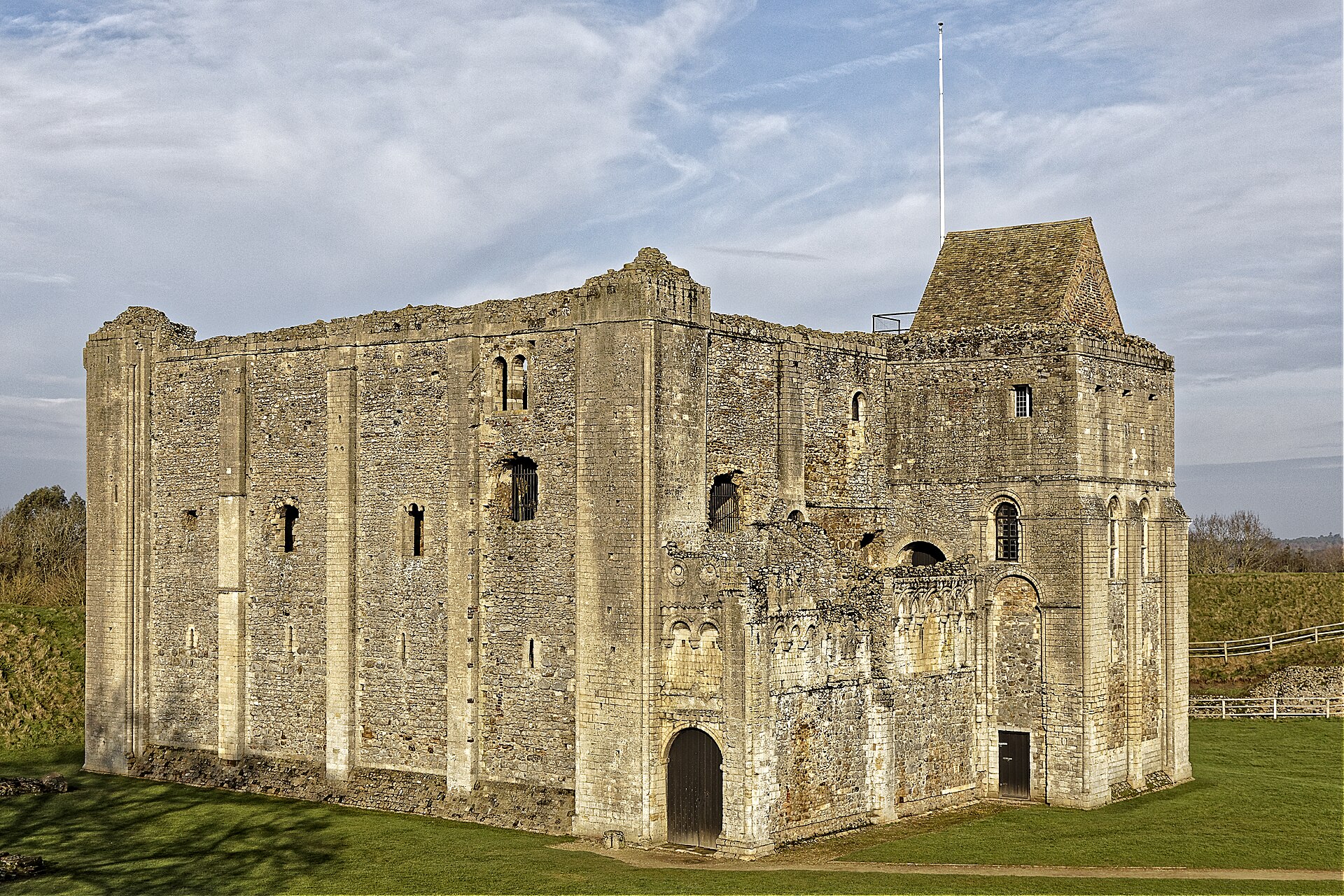
The Norman stone-built main keep and extensive defensive earthworks survive to this day; the castle keep and enclosed defensive layout can be observed.
Last verified Oct 16, 2026
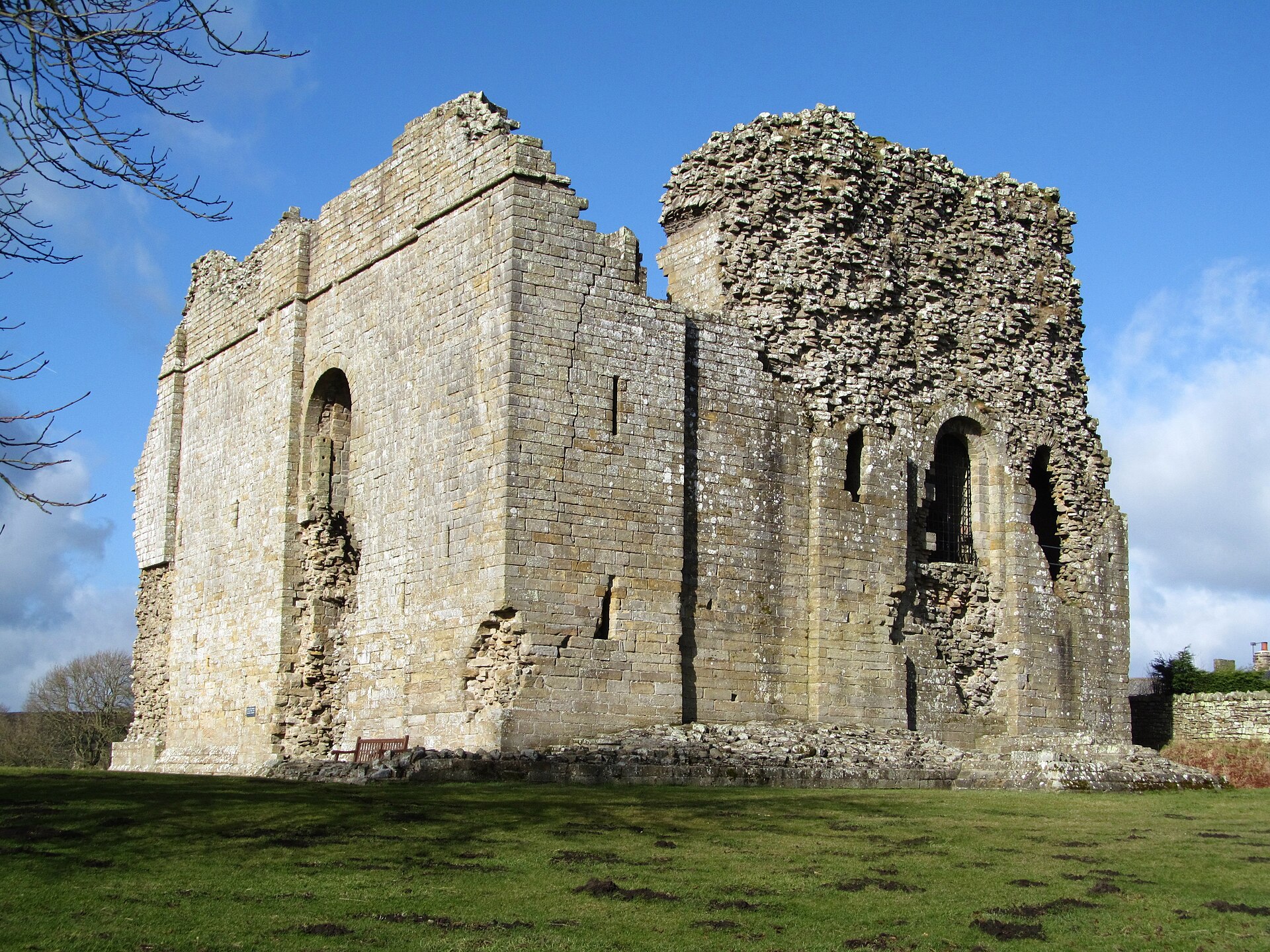
Built on the site of a Roman fort, the castle controls the Stanmore pass and retains the remains of a tall keep.
Last verified Oct 16, 2026
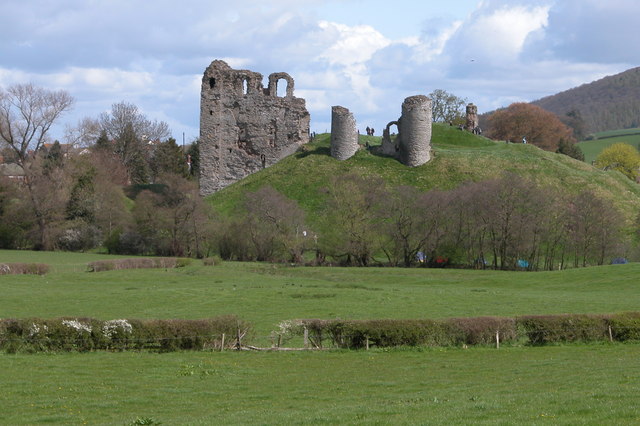
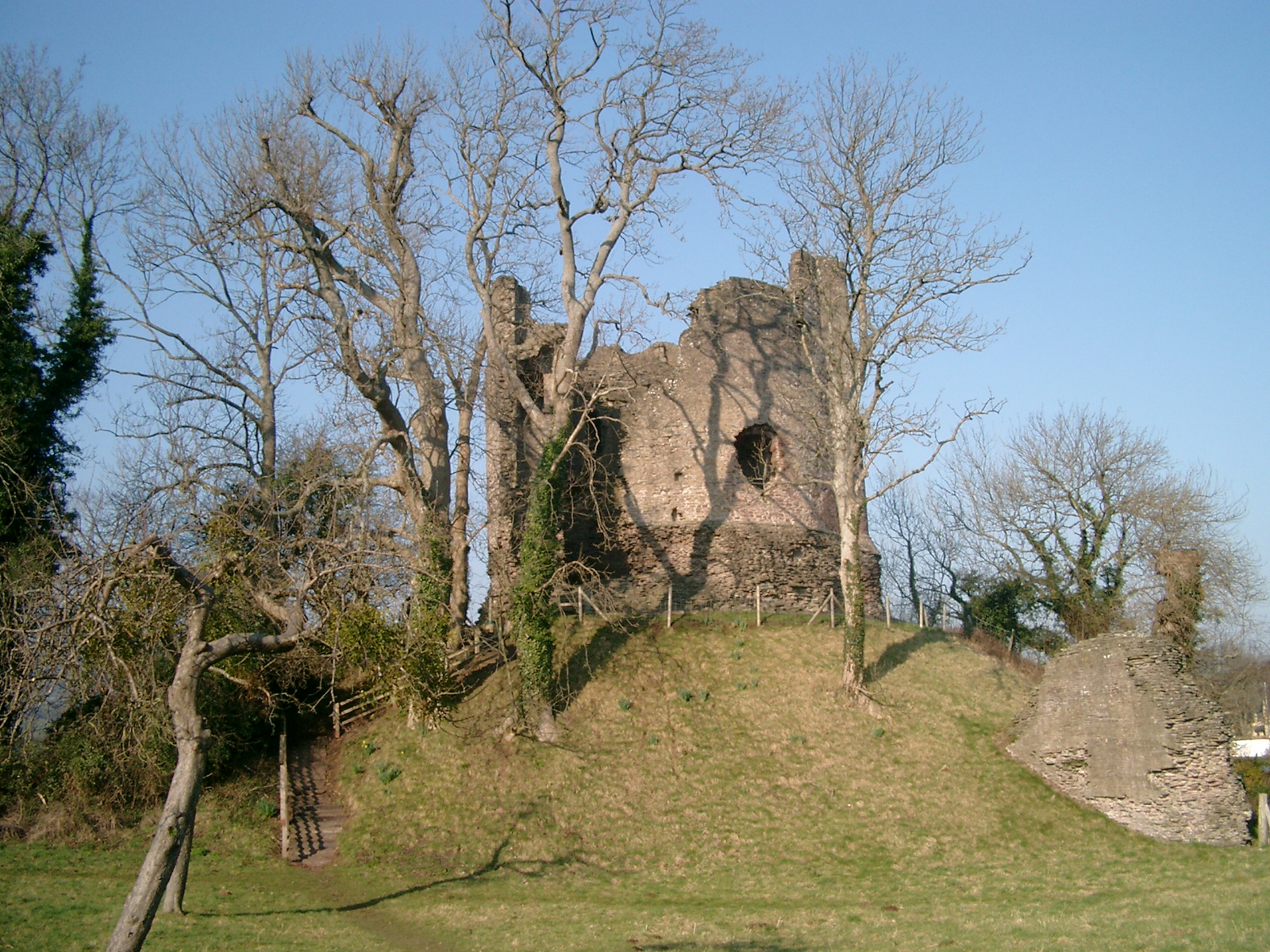
A medieval castle ruin in the Welsh Marches, with stone remains situated atop a defensive motte.
Last verified Oct 16, 2026
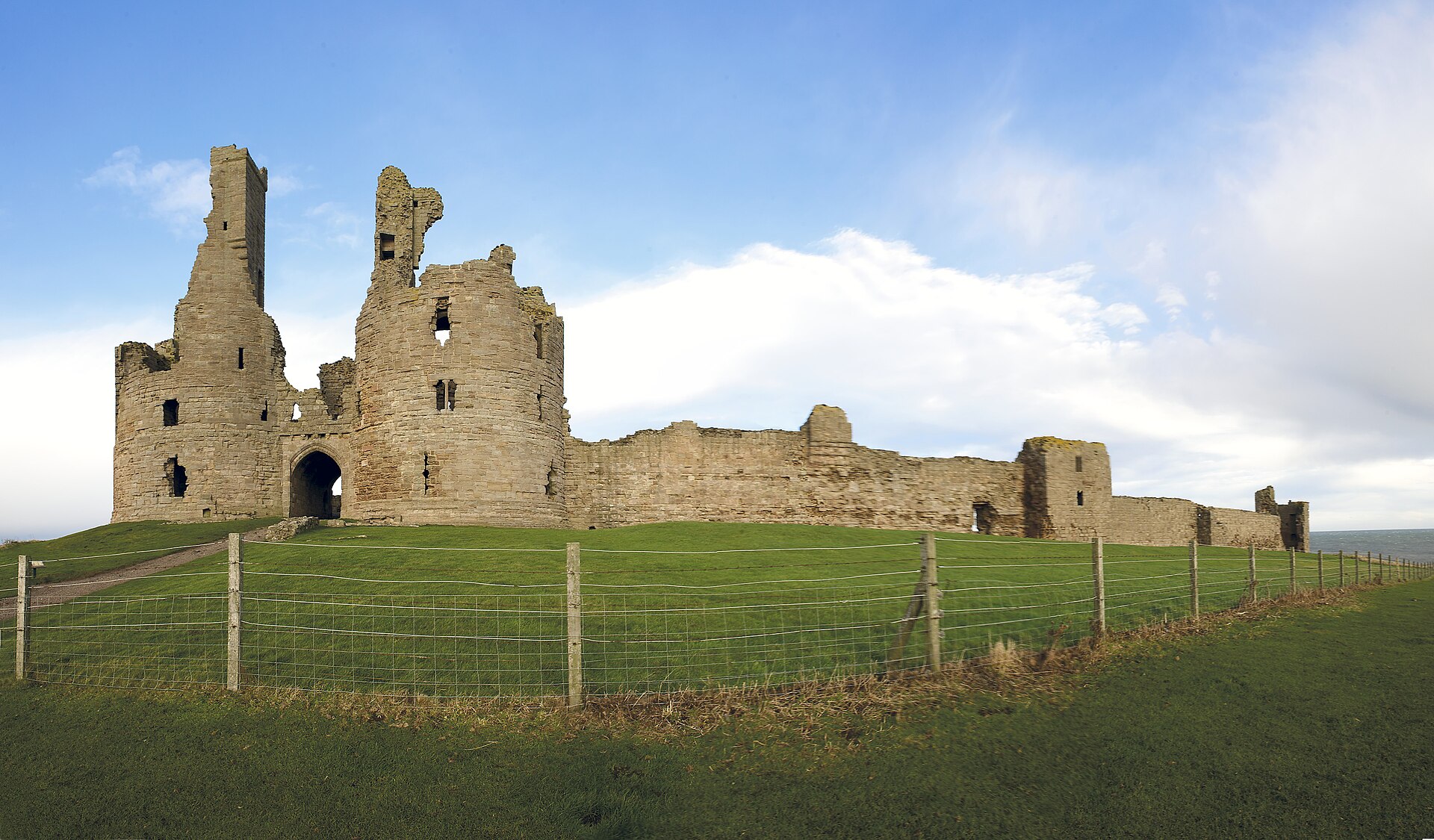
A large castle ruin on a Northumberland headland, reachable via the coastal footpath, where the fortification remains can be viewed.
Last verified Oct 16, 2026
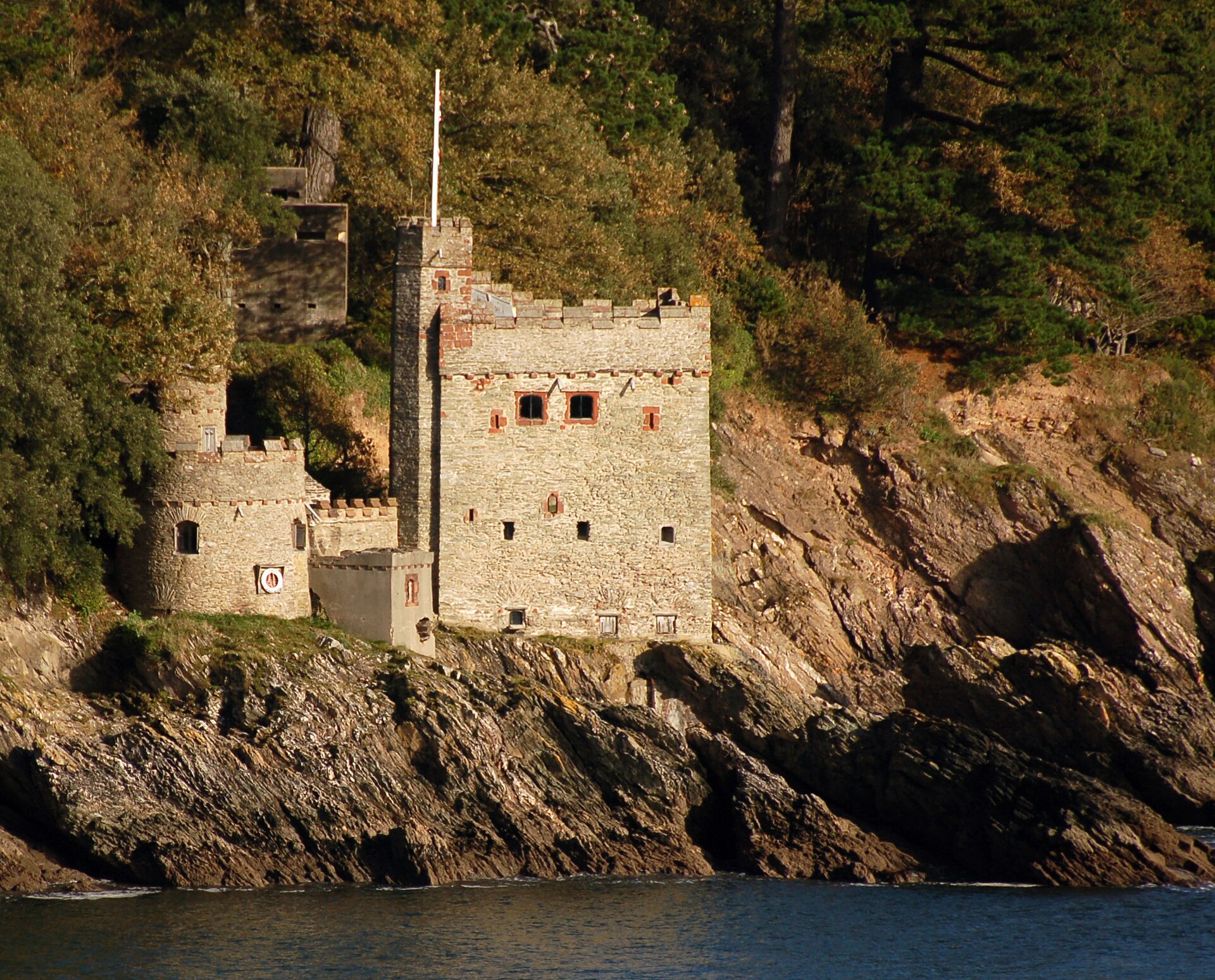
A coastal fortress guarding the mouth of the River Dart, with exhibits introducing the defensive history from the Middle Ages to WWII.
Last verified Oct 16, 2026
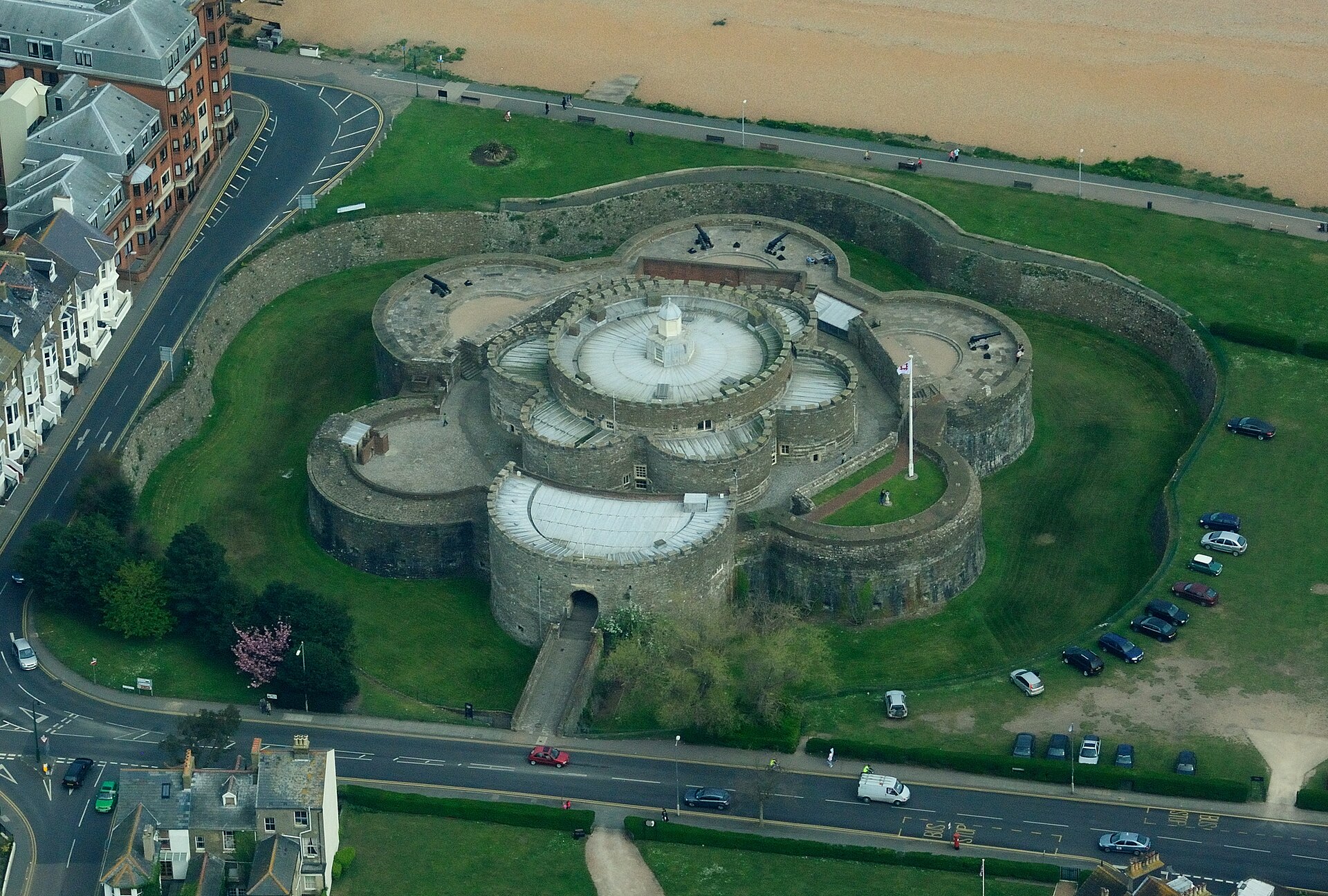
A coastal artillery fortress built by Henry VIII; interior exhibits explain the structure of the gun platforms and the coastal defense context of the time.
Last verified Oct 16, 2026
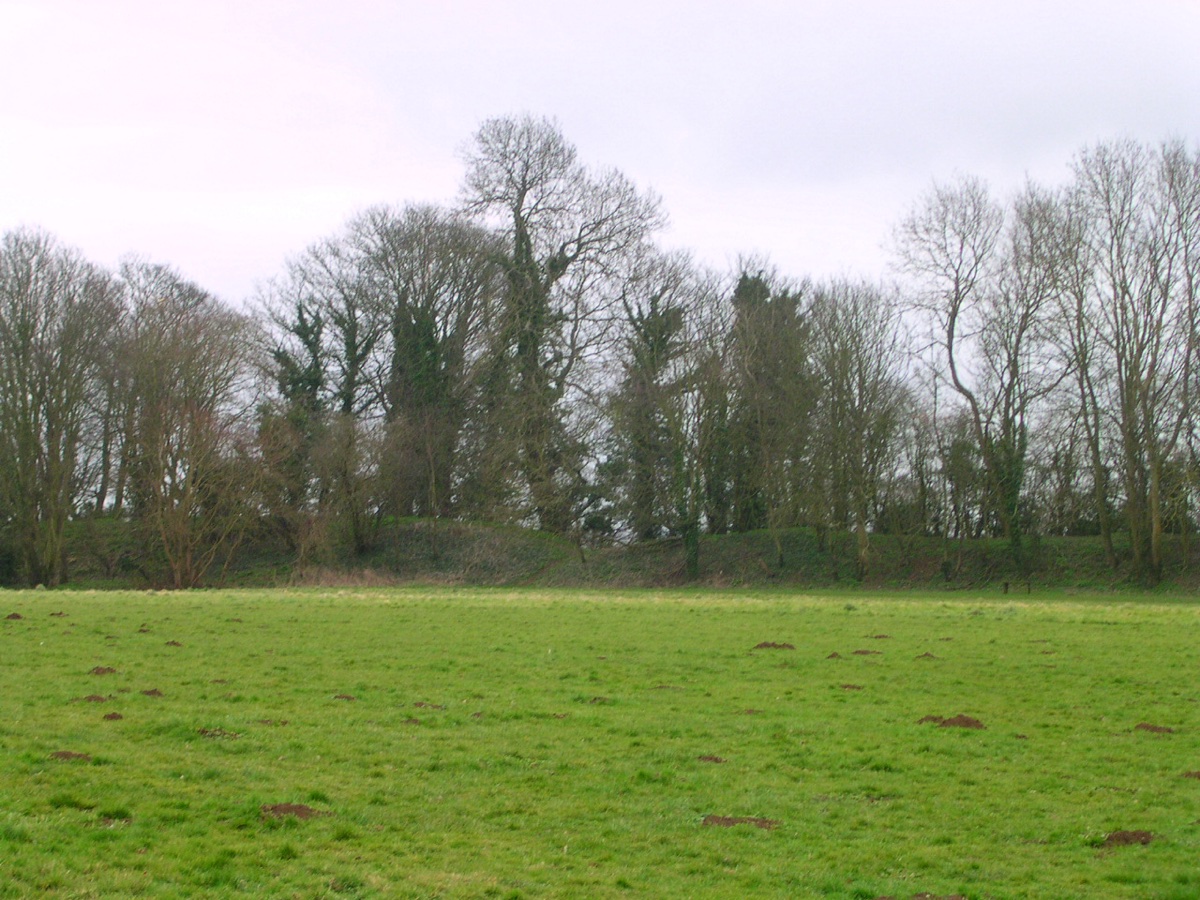
The motte and the extent of the Norman castle site remain recognizable; the defensive terrain can be viewed along public open areas.
Last verified Oct 16, 2026
The medieval castle gatehouse and remains associated with the English Civil War are preserved on high ground; the defensive remains can be observed up close.
Last verified Oct 16, 2026
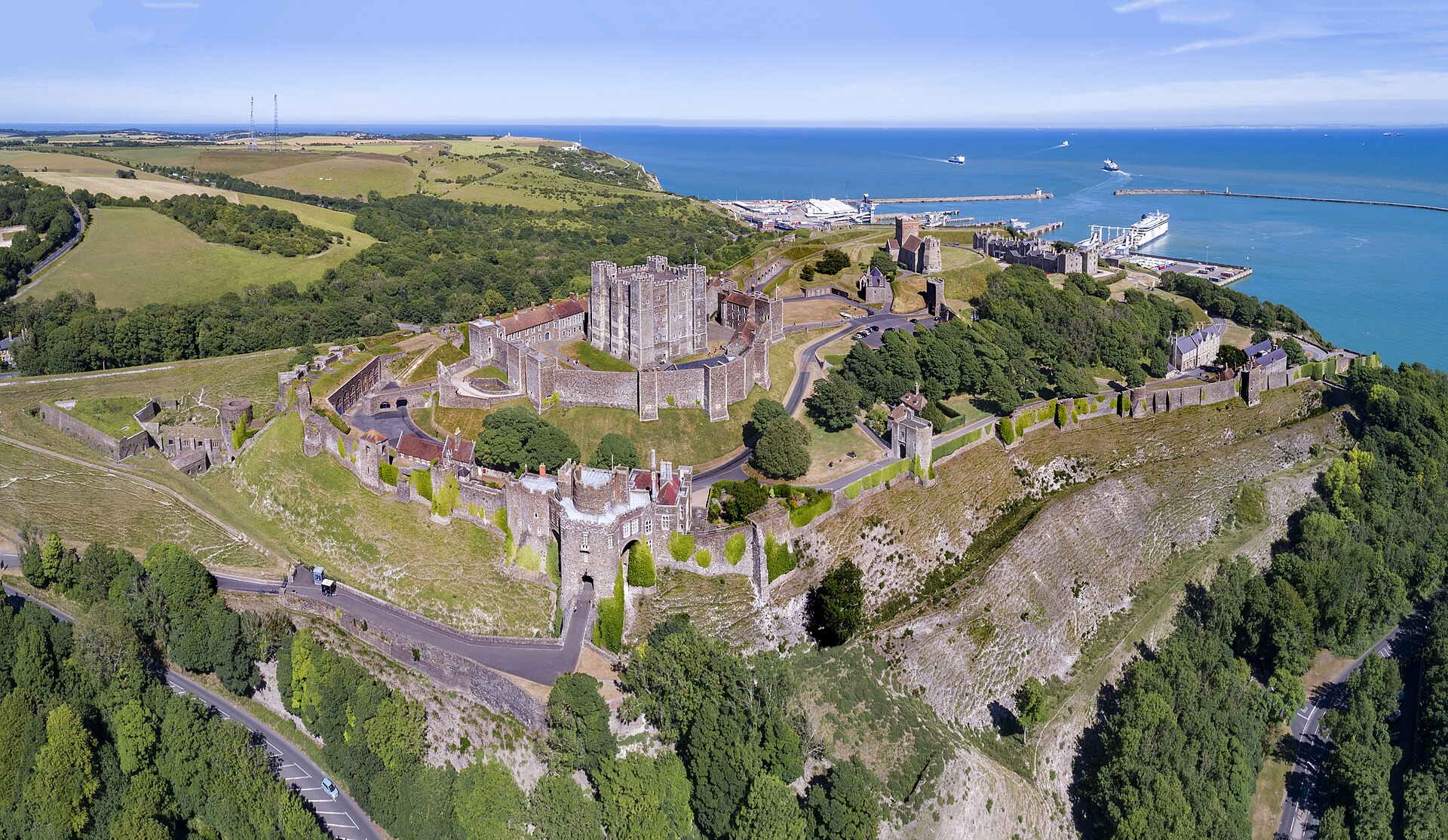
The castle on the Channel coast and wartime underground facilities form a multi-period defensive system; some wartime tunnels are under repair.
Last verified Oct 16, 2026
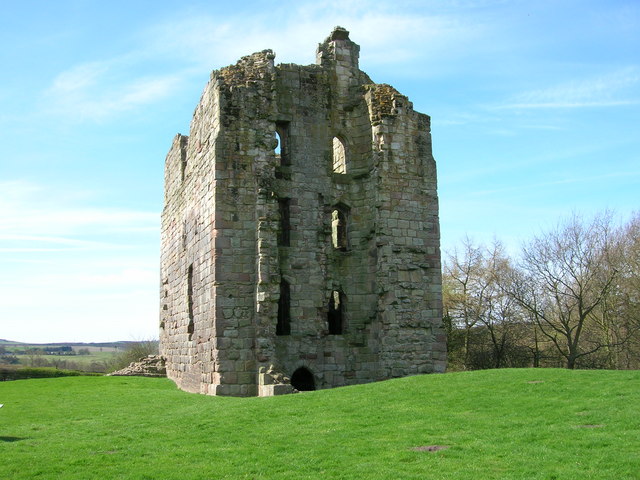
The riverside residence was progressively fortified during the border wars; the dwelling tower and defensive remains survive today.
Last verified Oct 16, 2026
A border castle built to defend against Scottish raids; the ruins can now be visited, while the shop and indoor exhibition areas are closed.
Last verified Oct 16, 2026
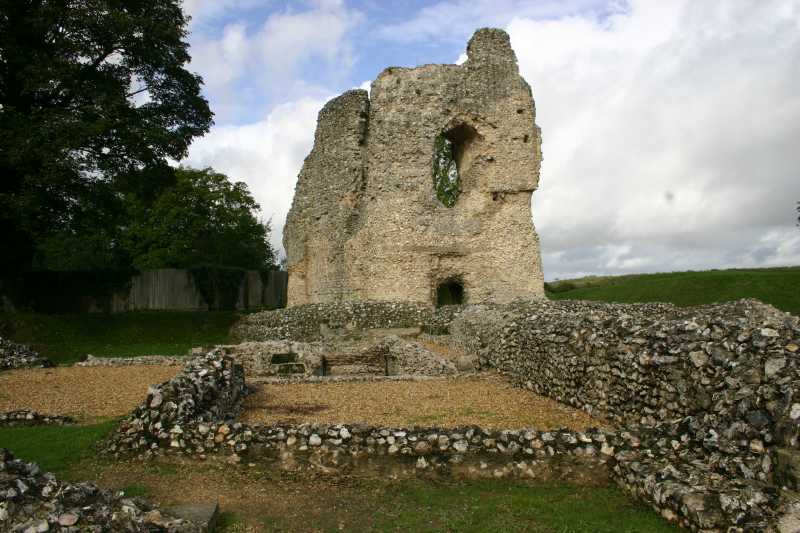
Ruins of an early Norman enclosure castle; the curtain walls and remains of internal buildings can be seen.
Last verified Oct 16, 2026
A coastal artillery fortress built by Henry VIII; visitors can see the defensive installations and wartime history displays.
Last verified Oct 16, 2026
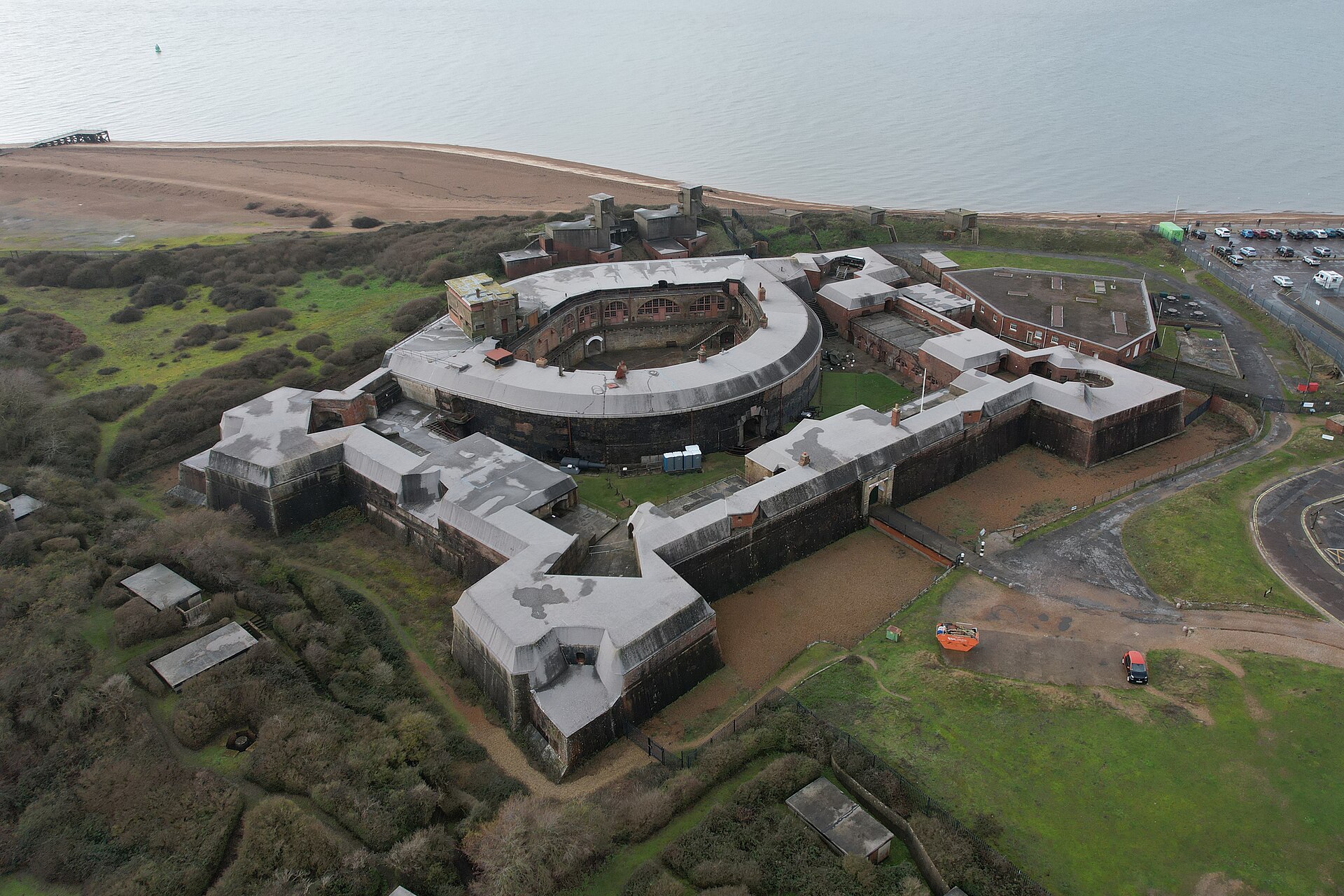
A battery guarding the entrance to Harwich harbour, preserving the 18th-century fort structure along with later coastal defence and anti-aircraft installations.
Last verified Oct 16, 2026
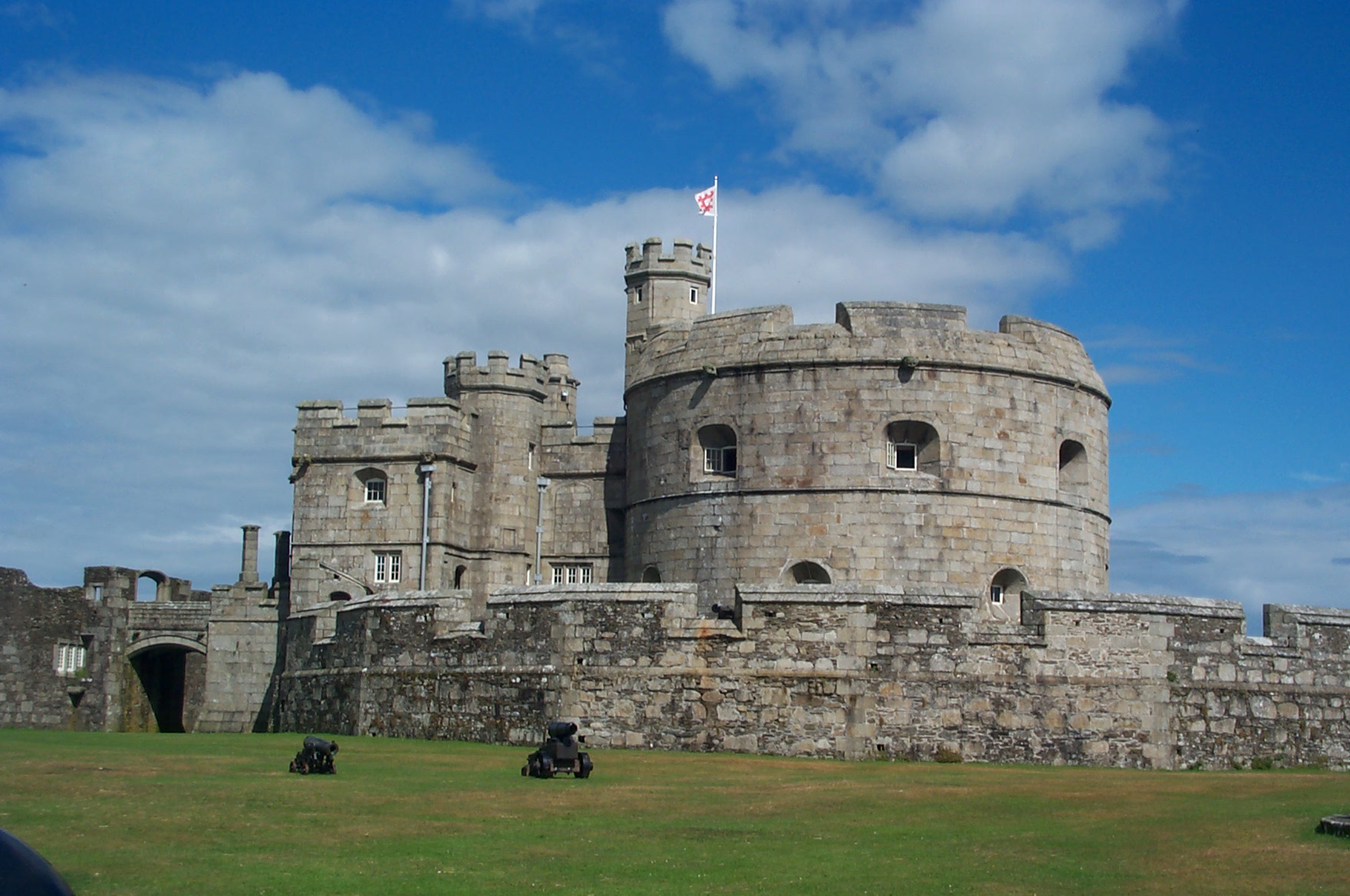
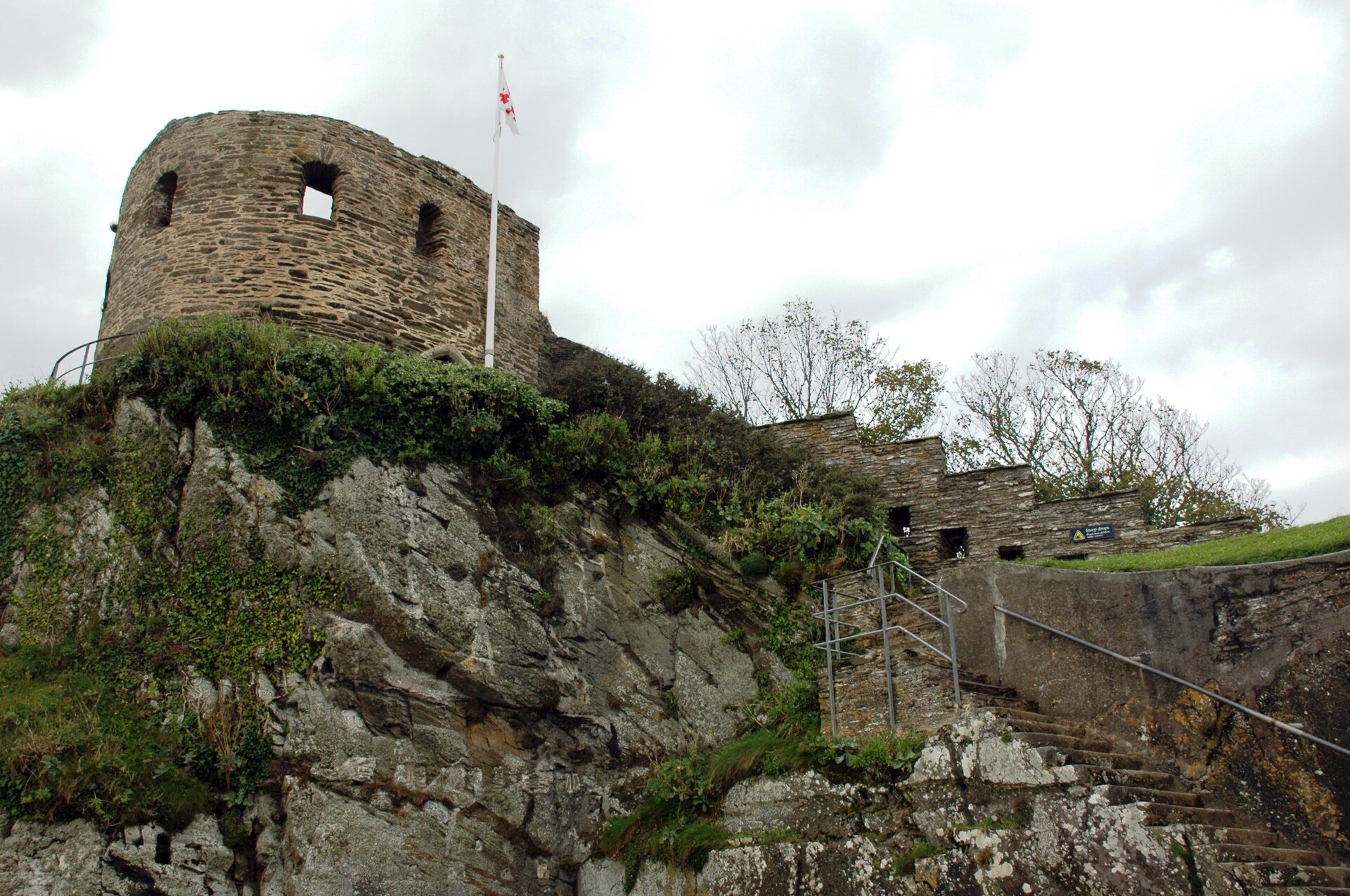
A small Tudor battery guarding the port of Fowey, later converted for defence during the Crimean War and WWII.
Last verified Oct 16, 2026
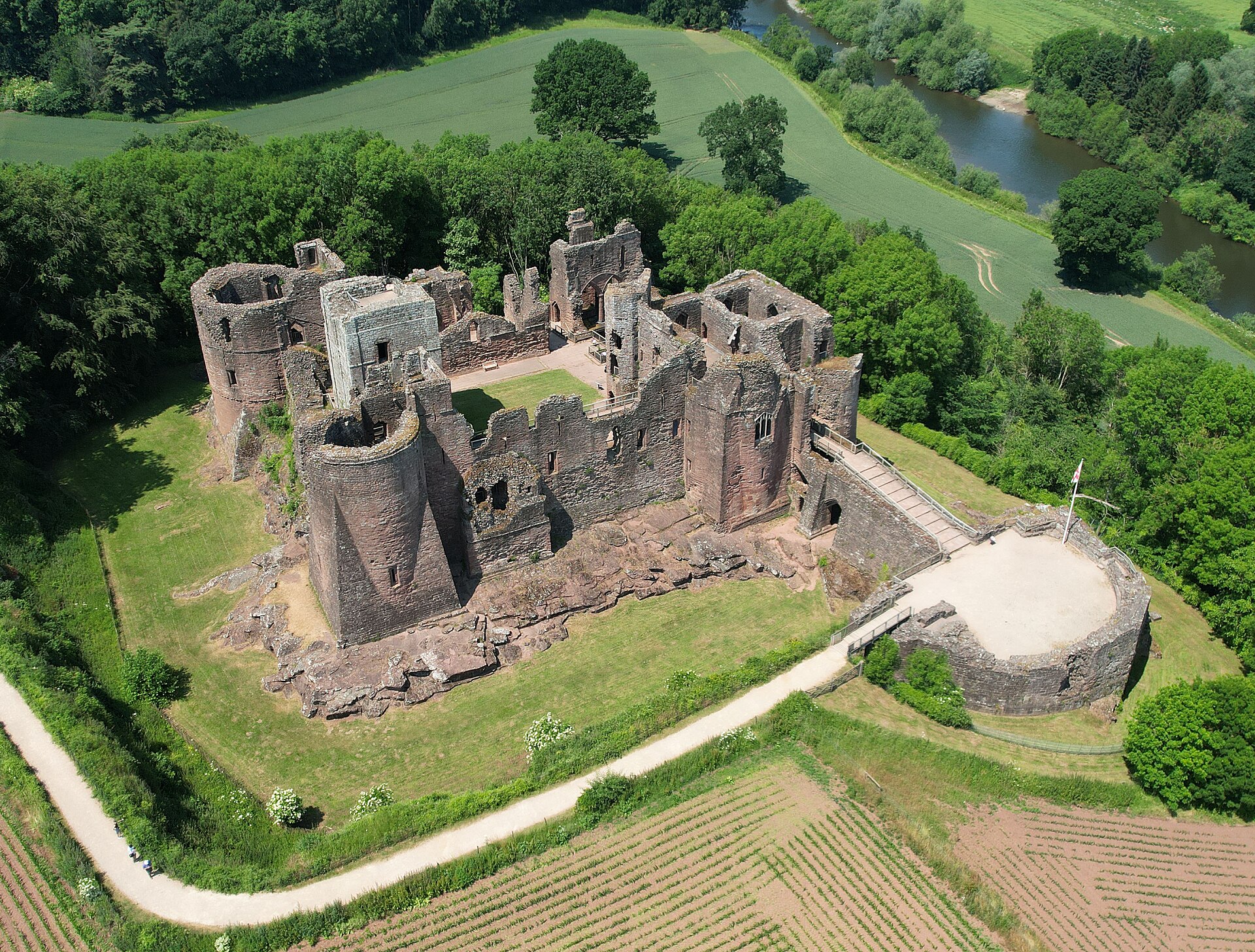
A medieval fortress guarding the crossing of the River Wye; visitors can observe the thick walls, towers and displays on its siege history.
Last verified Oct 16, 2026
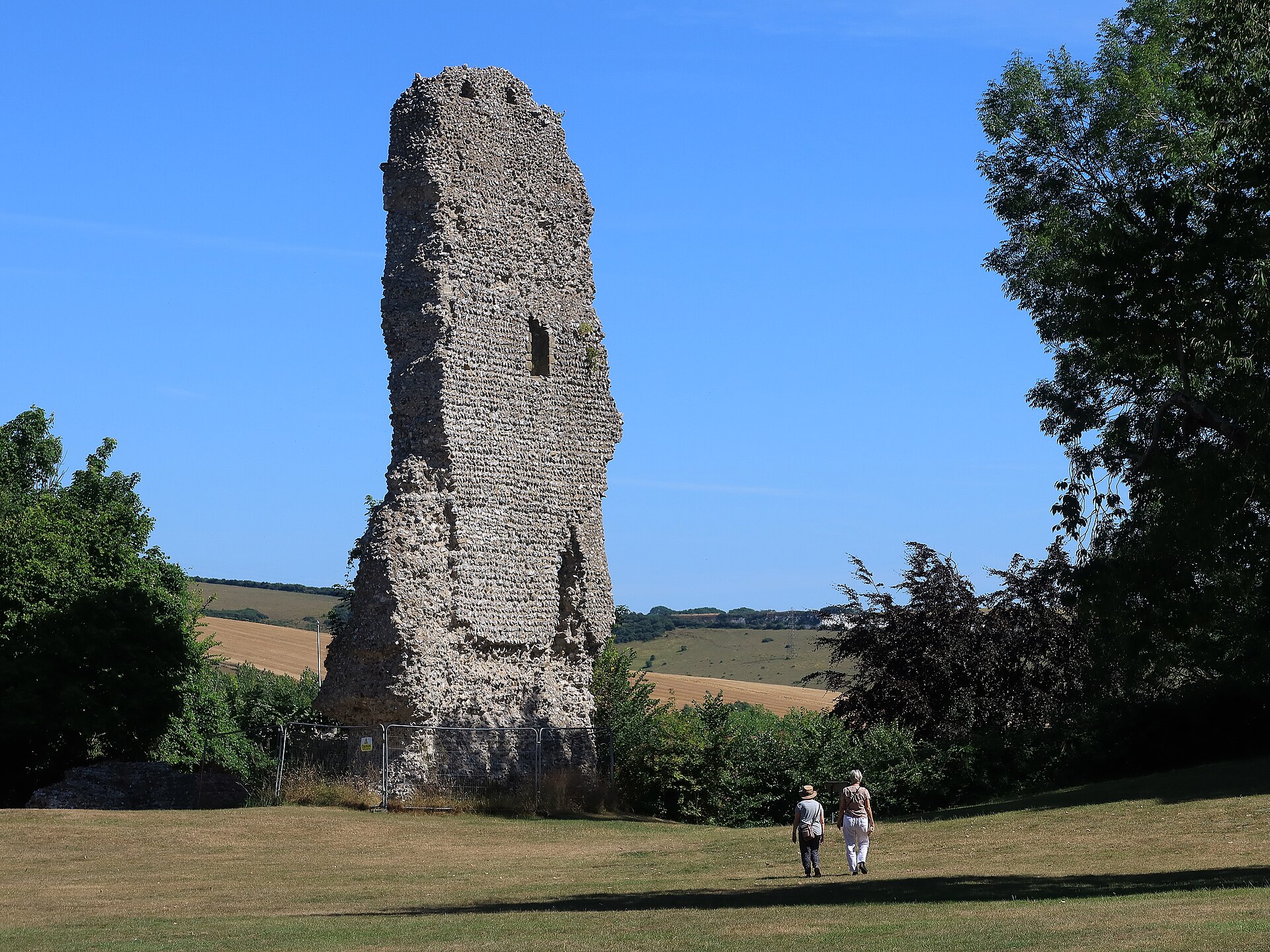
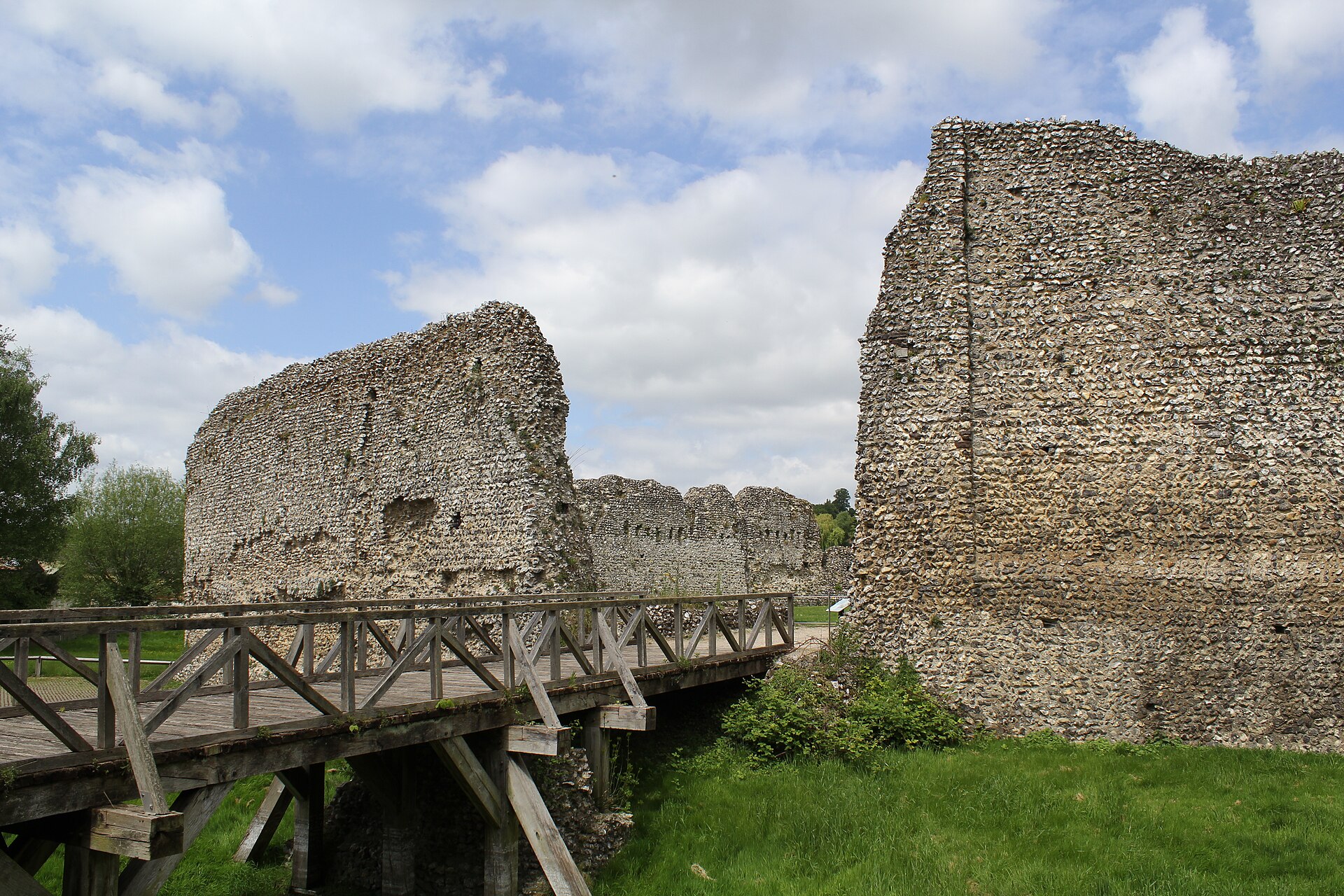
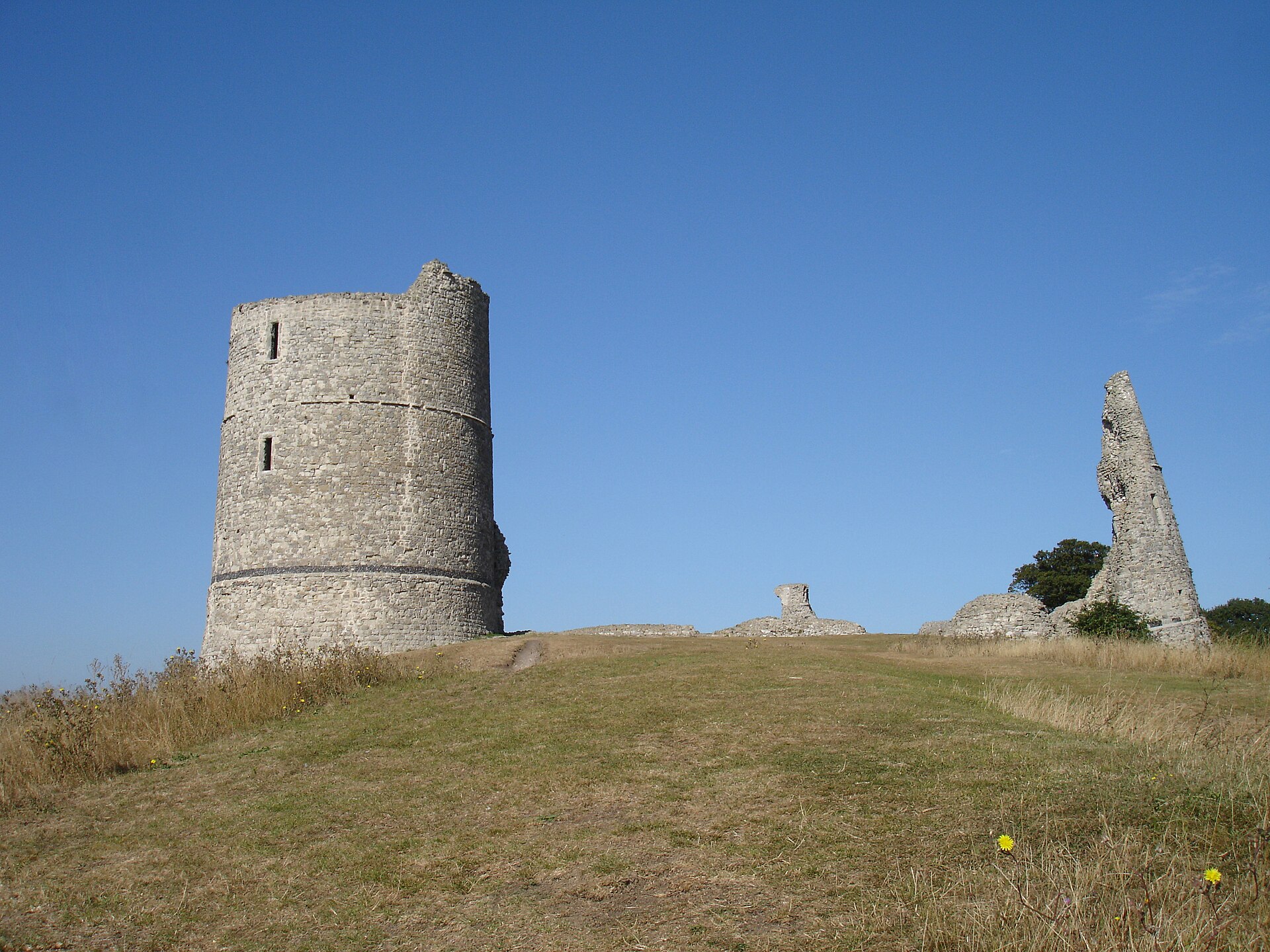
Medieval castle ruins near the Thames Estuary, where surviving towers and defensive structures can be observed.
Last verified Oct 16, 2026
Site of a medieval stronghold that became an English Civil War bastion, retaining high towers and stone defensive structures.
Last verified Oct 16, 2026
A large Norman keep and later fortifications survive to this day; the castle once endured a prolonged siege in the thirteenth century.
Last verified Oct 16, 2026
The thick-walled circular keep on the mound and the walled bailey still survive; the keep is currently closed due to conservation works.
Last verified Oct 16, 2026
Survivals of this medieval royal castle include high walls and defensive earthworks; the nearby village also has remains of a cross monument.
Last verified Oct 16, 2026
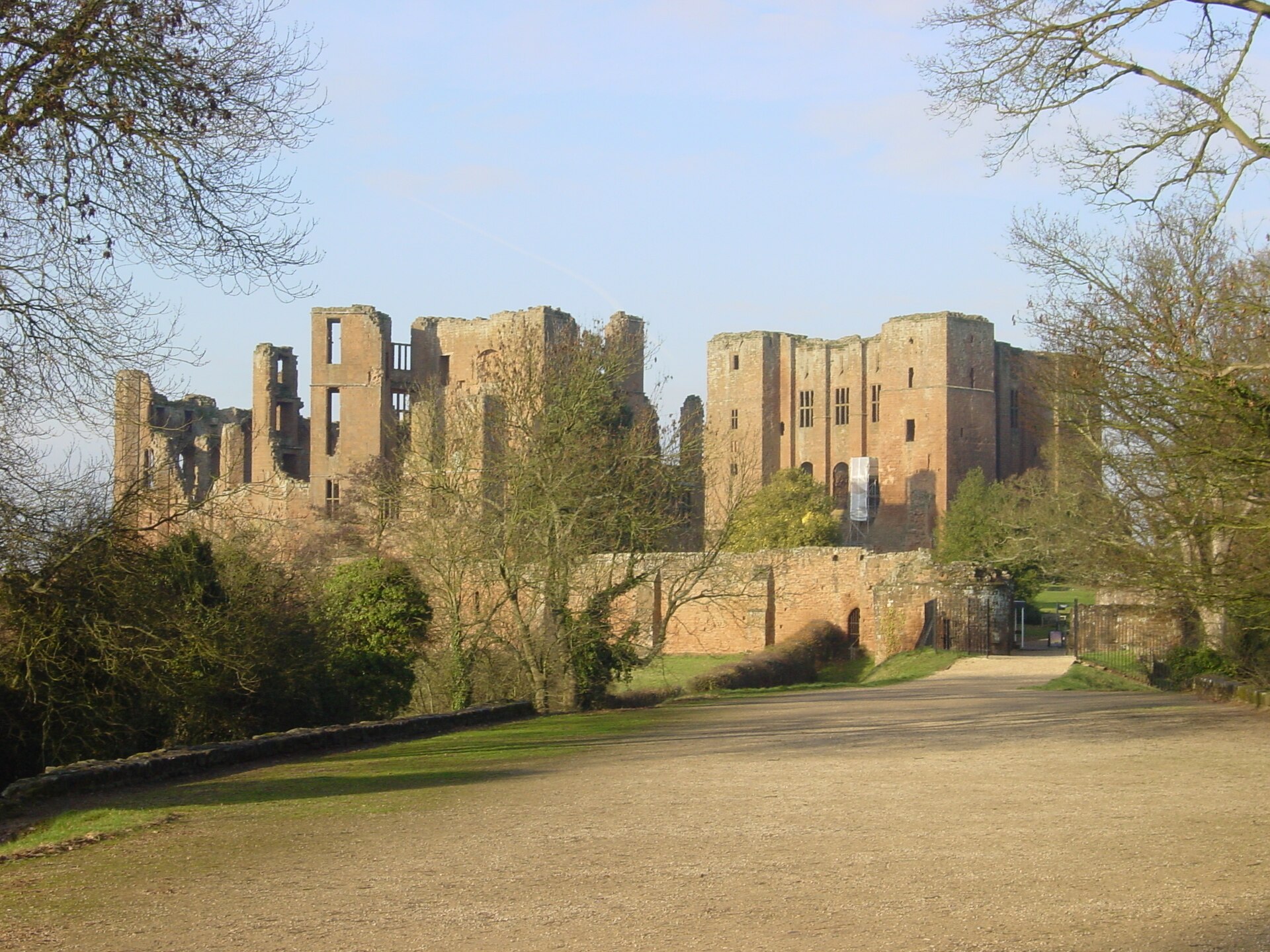
The remains of a medieval castle juxtaposed with later extension buildings; the gatehouse and defensive walls can be observed.
Last verified Oct 16, 2026
Developed from an earthwork rampart defending against Viking raids into a Norman stone castle, later the place of imprisonment of Charles I.
Last verified Oct 16, 2026
A border fortress controlling the crossing of the River Tweed; the outer ward is now open, while the keep and part of the bridge approach are closed for repairs.
Last verified Oct 16, 2026
Ruins of a hexagonal medieval castle, besieged by Parliamentary forces during the English Civil War.
Last verified Oct 16, 2026
A polygonal stone keep from the reign of Henry II; the structure of this royal fortress can be viewed along the interior spaces.
Last verified Oct 16, 2026
An Iron Age hillfort made up of multiple concentric earthwork ramparts; the defensive layout can be observed along the walking routes.
Last verified Oct 16, 2026
Ruins of a medieval castle developed to resist Scottish raids; the surviving walls and layout can be viewed.
Last verified Oct 16, 2026